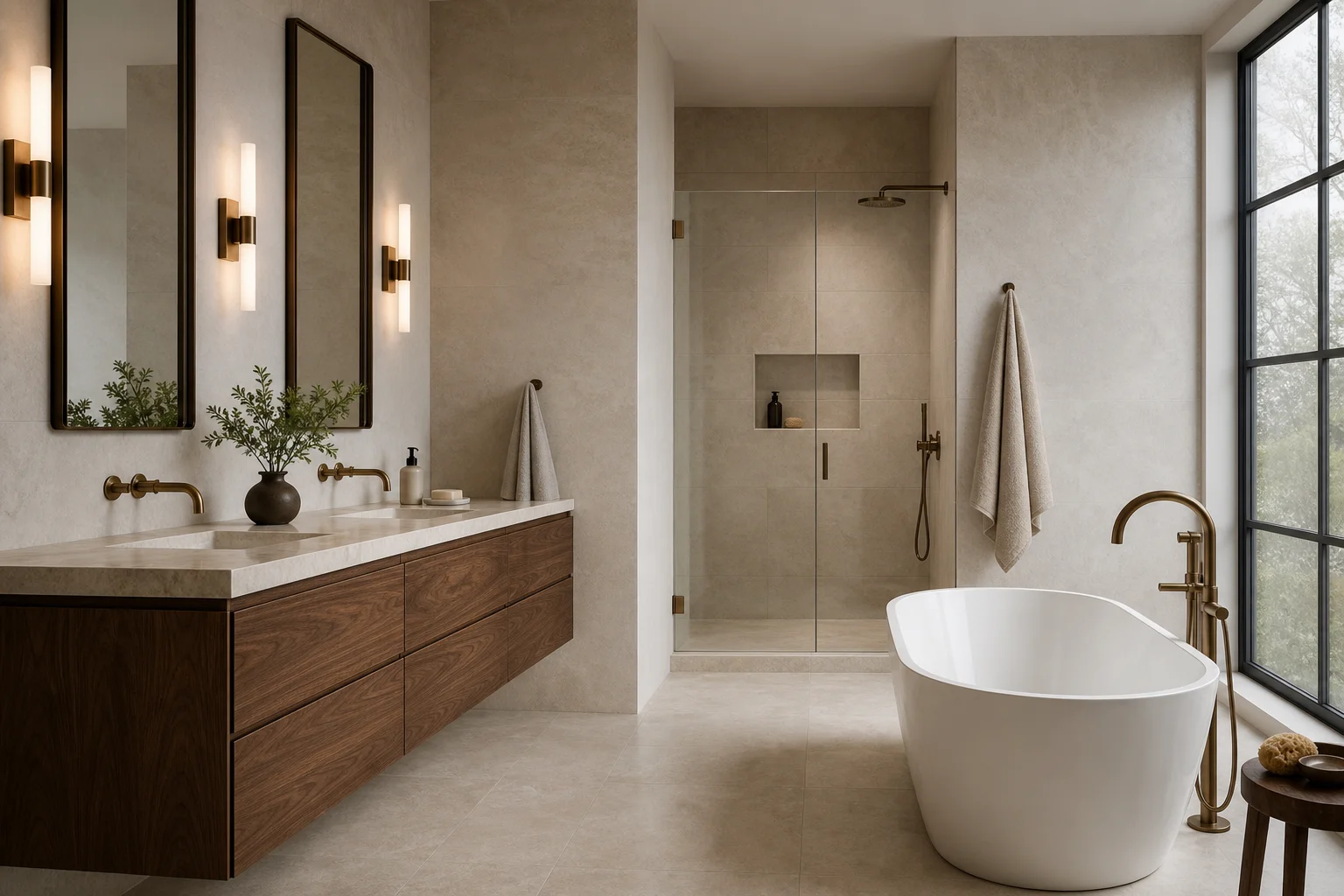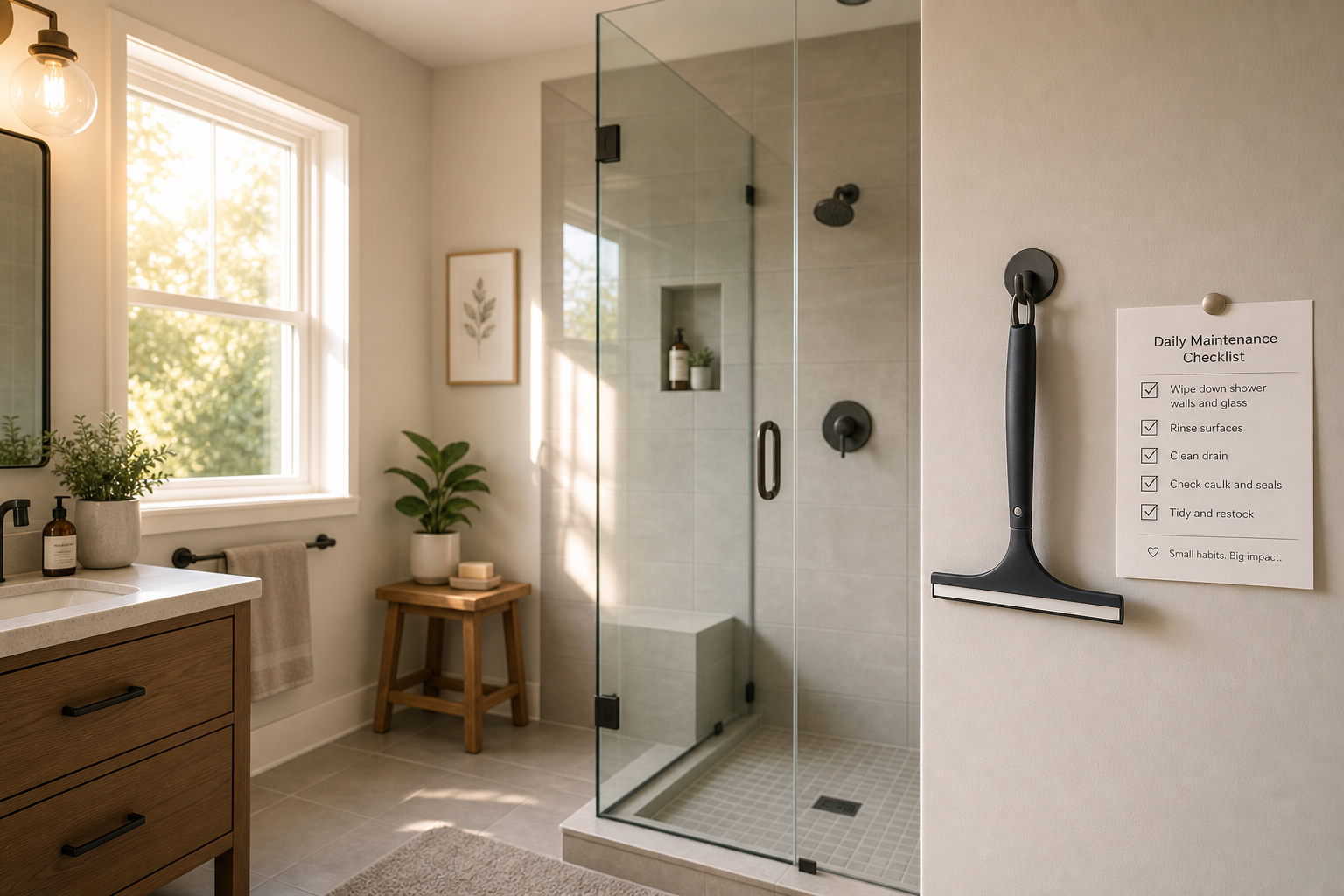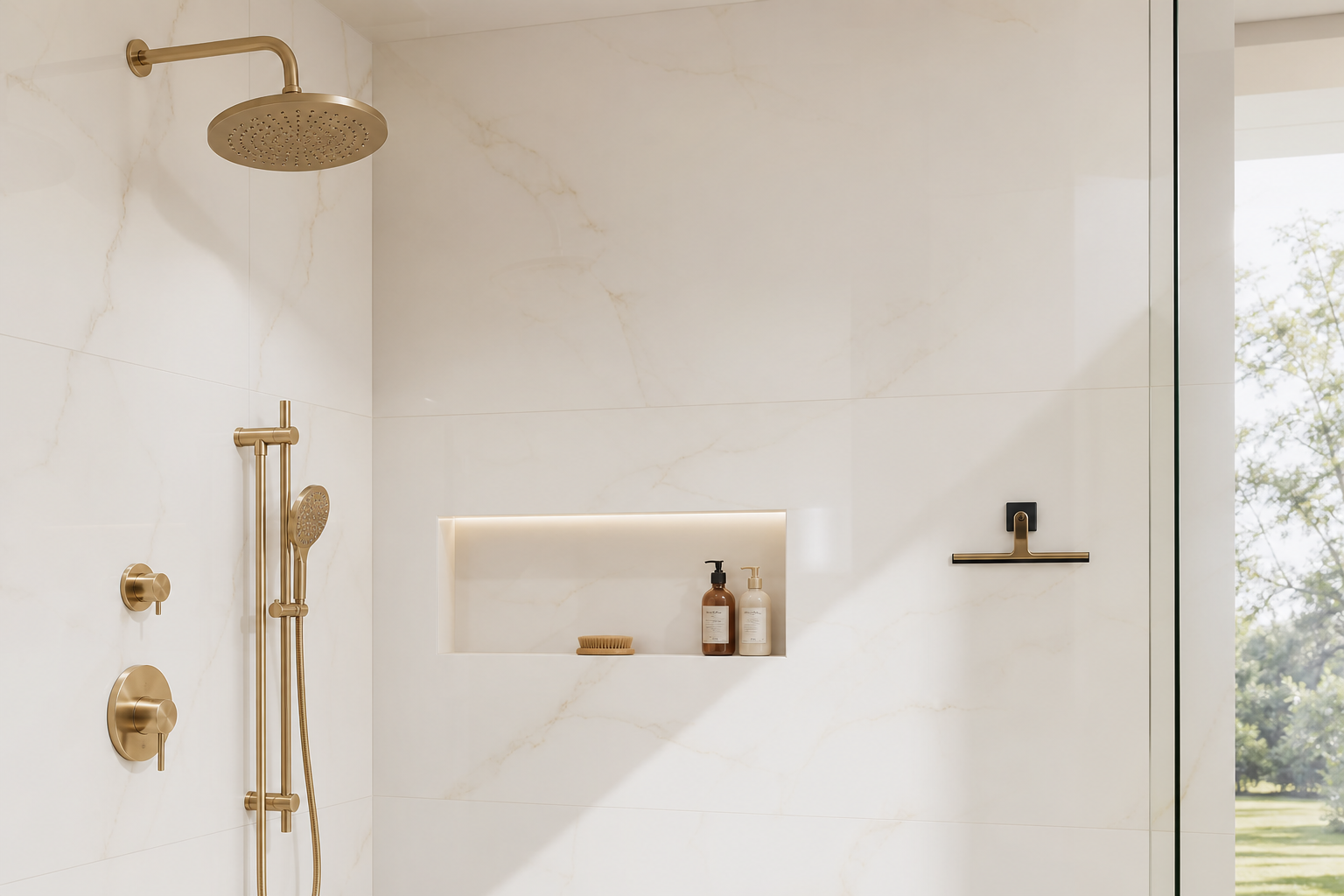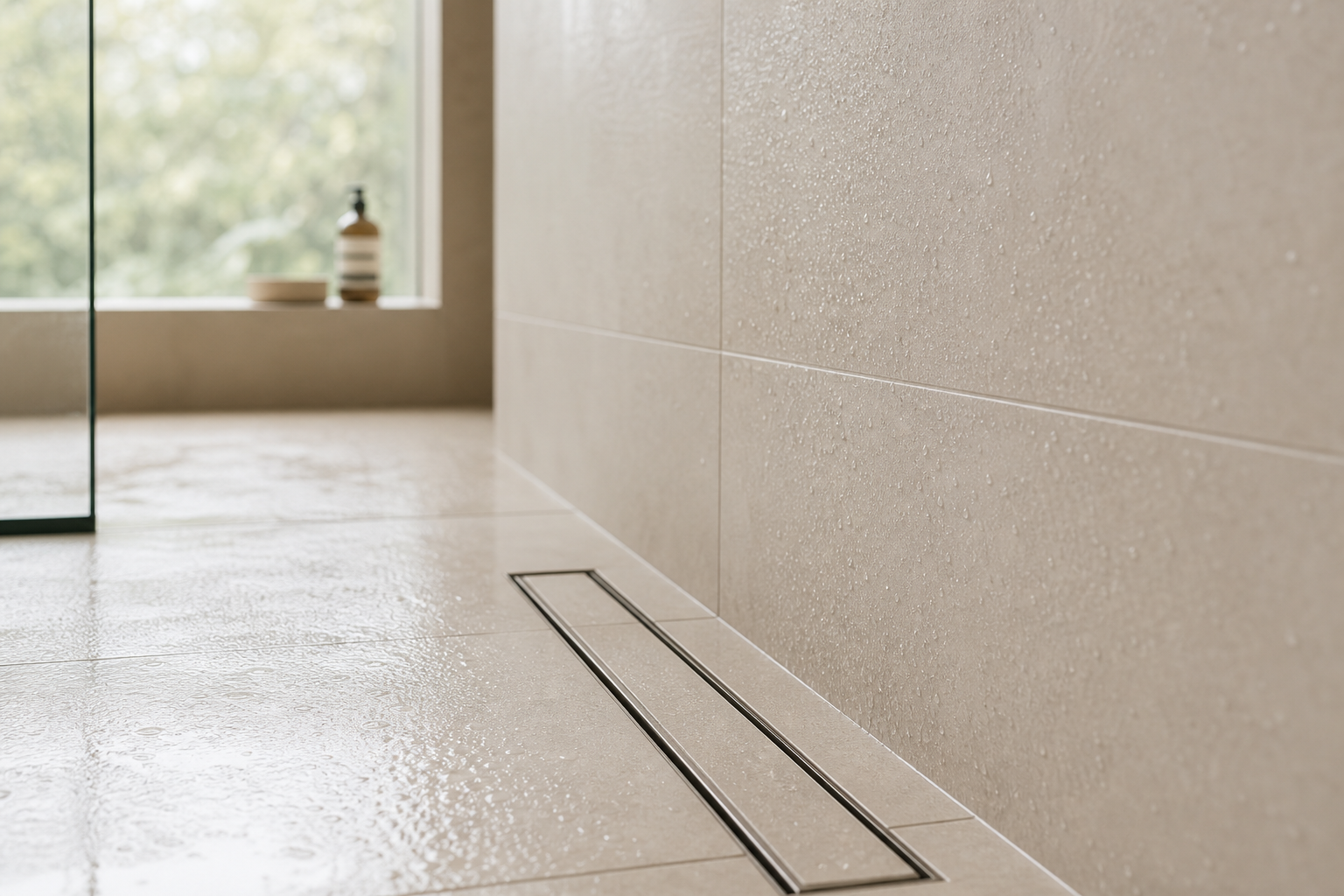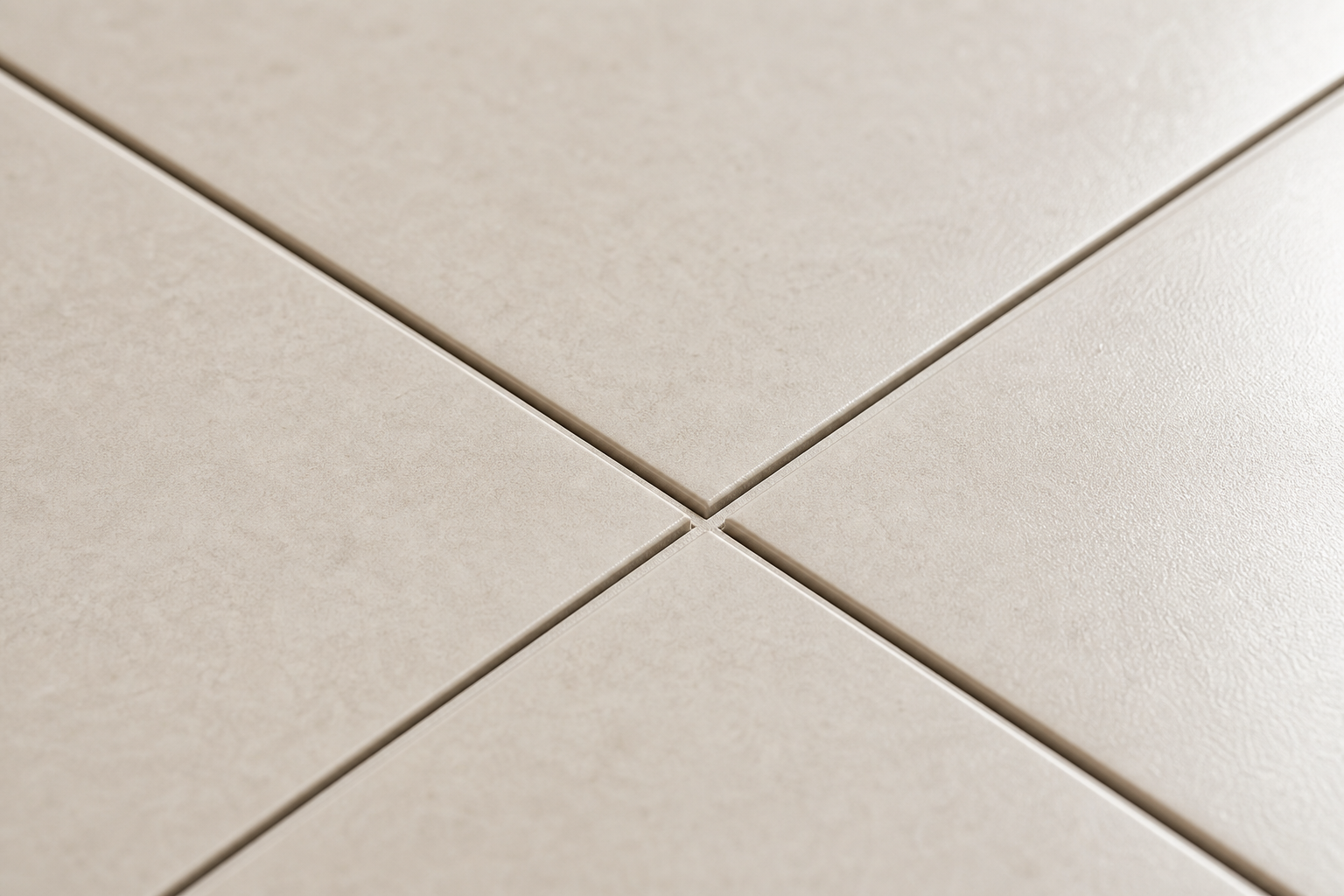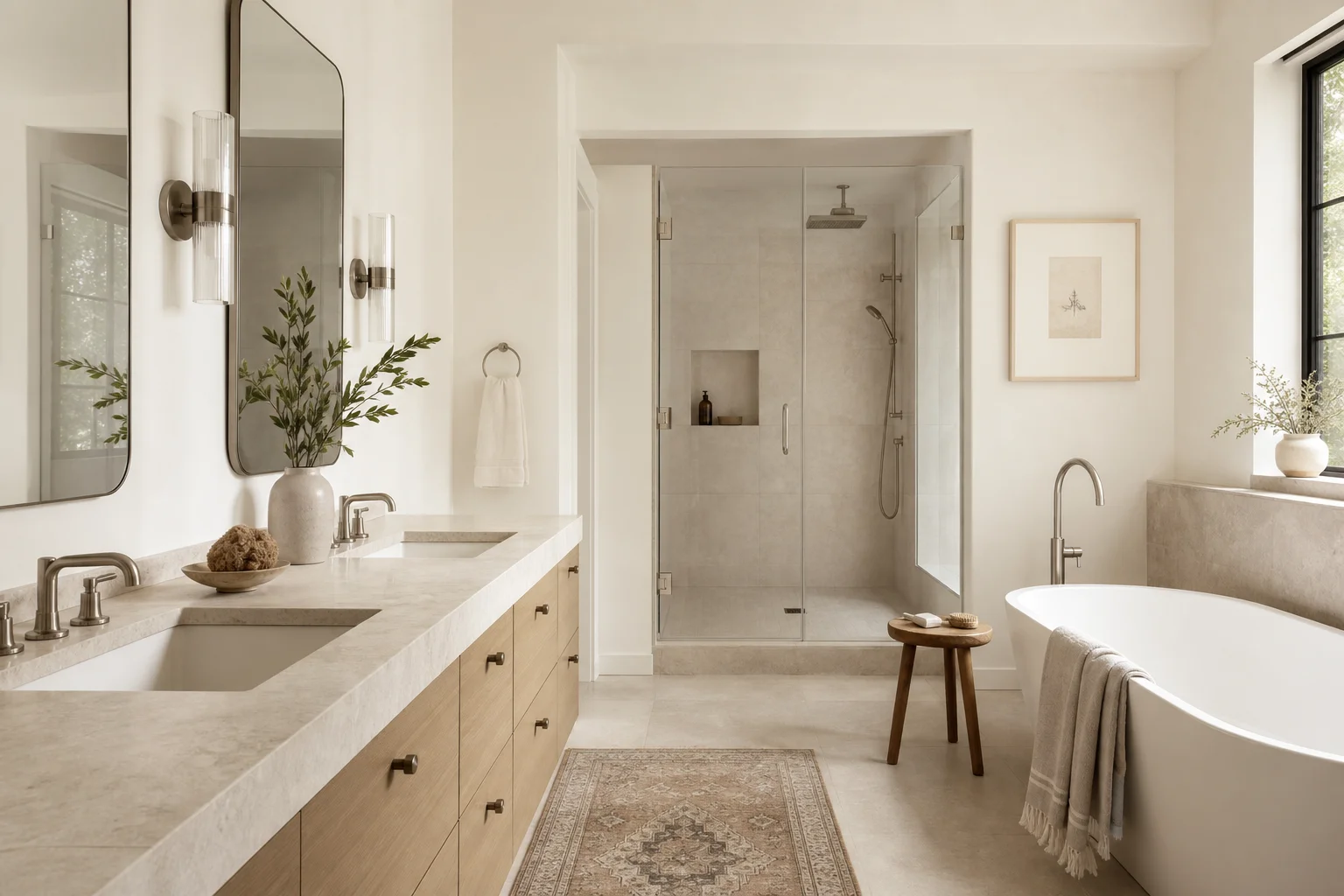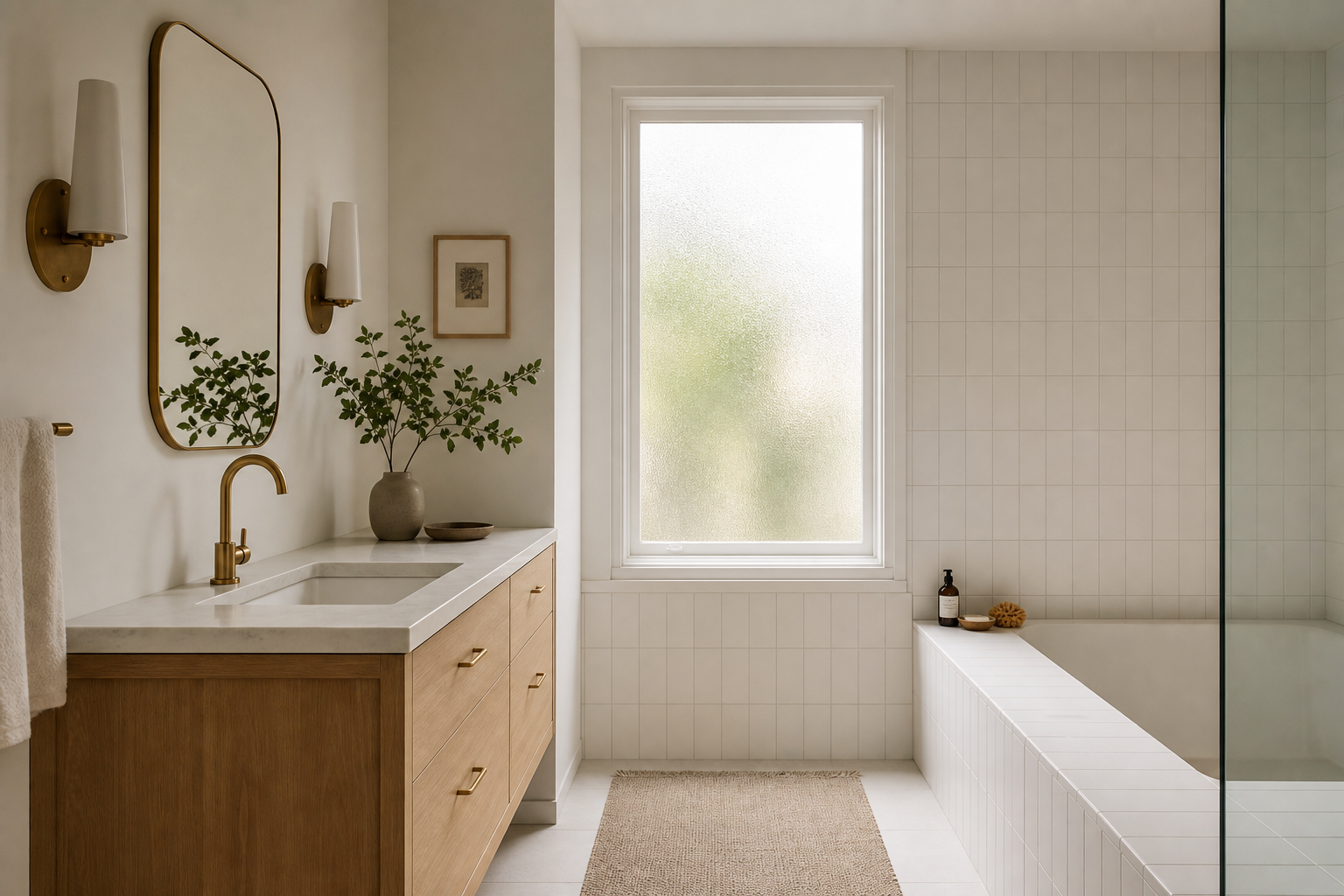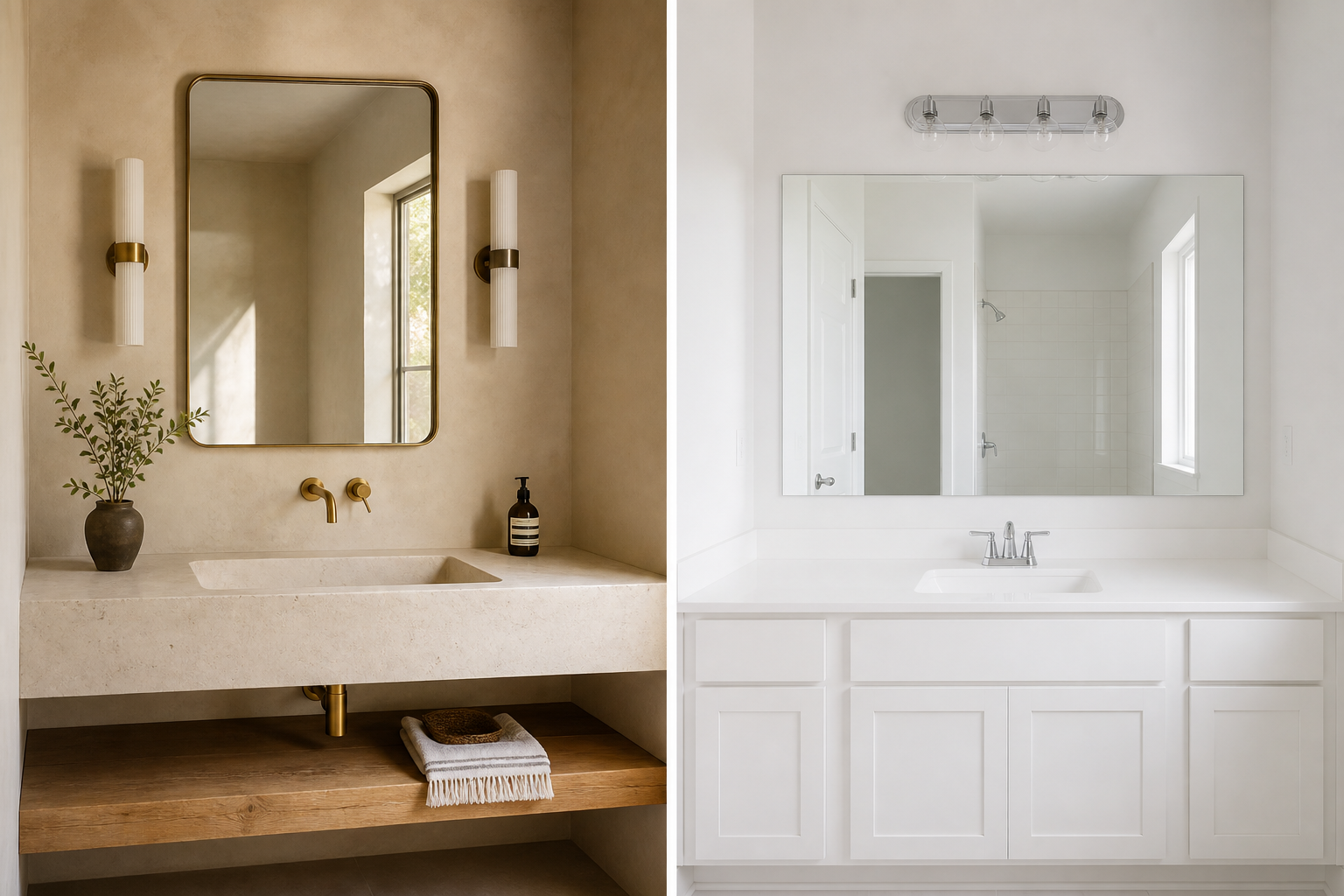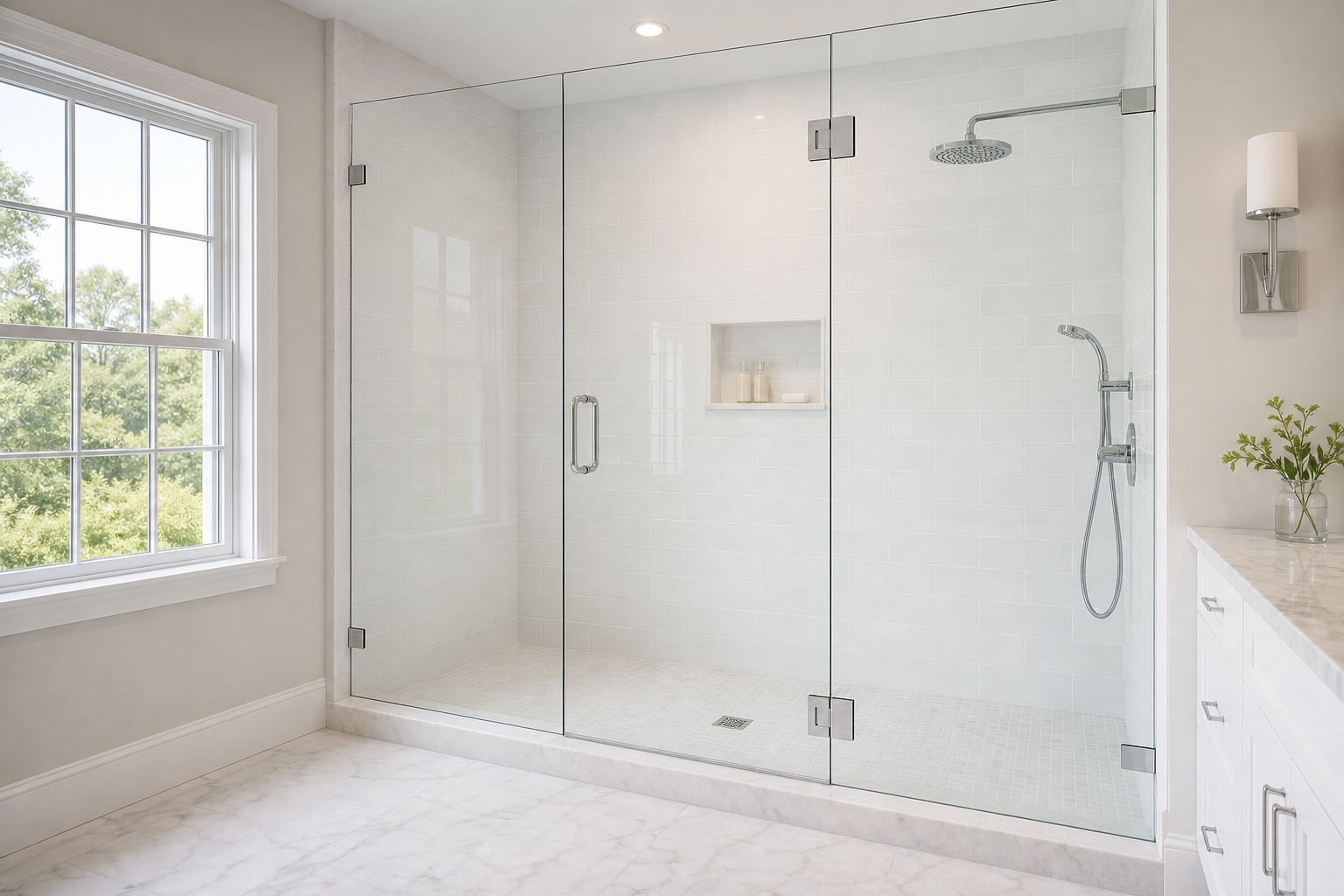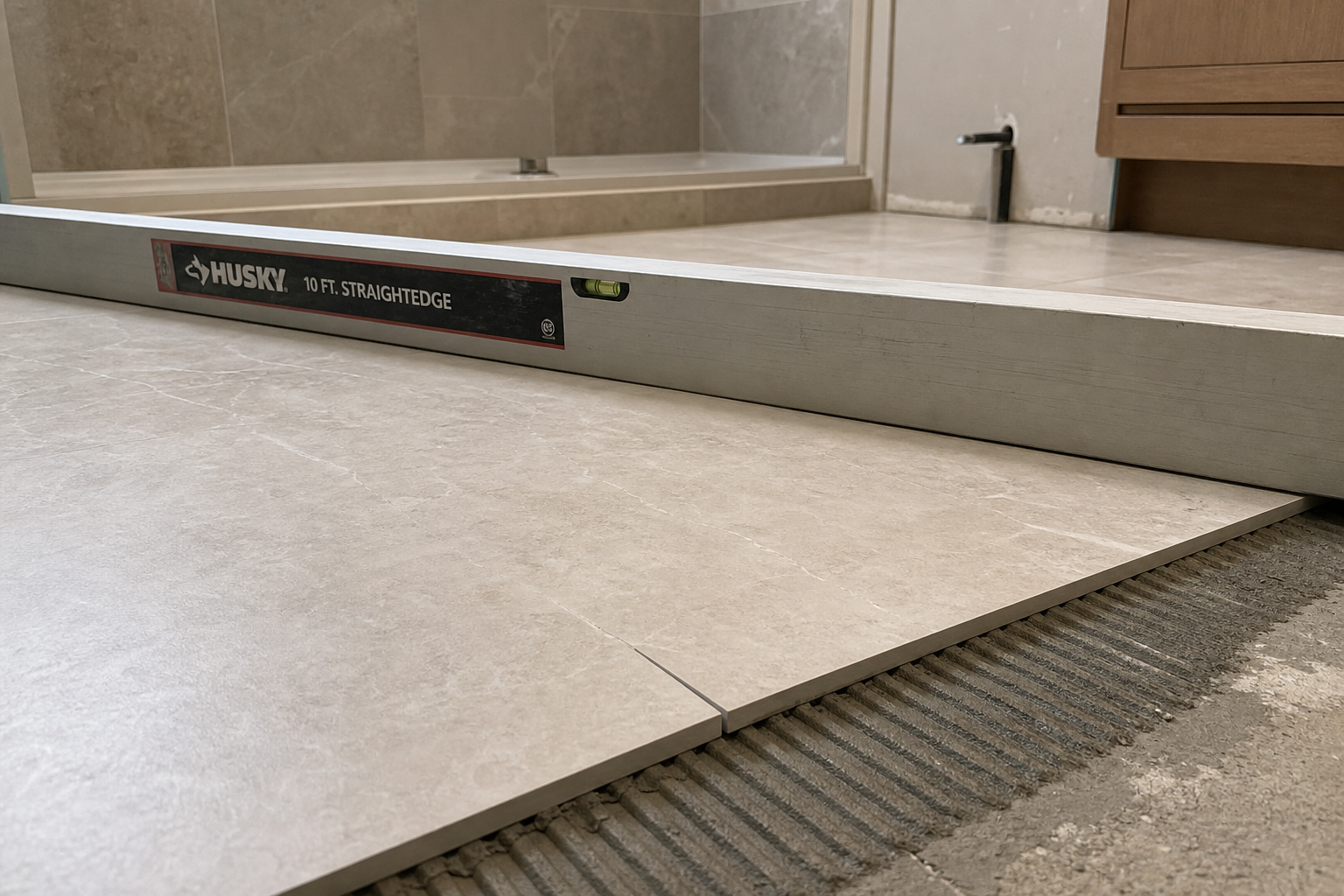
The cheapest material to install is not always the cheapest material to own. A natural stone bathroom requires more maintenance time and money over ten years than a porcelain one; a wide-grout installation requires more cleaning effort than a narrow-grout one; and the true cost of a material choice includes everything you will spend maintaining it for the life of the room, not just the contractor's invoice.
This is not a polemic against natural stone. Stone can be worth the maintenance. Unlacquered brass can be worth the patina management. Natural wood vanities can be worth the care they require. The argument is not that low-maintenance materials are superior. The argument is that maintenance costs are real costs that rarely appear in the conversation when material options are being compared, and their absence from that conversation produces a lot of regretted decisions.
The Components of Bathroom Maintenance Cost
Before material-by-material accounting, it helps to identify what maintenance cost actually consists of. Time is the first component. Some materials require wiping or rinsing after every use to prevent mineral deposits, water spots, or staining. Some require periodic sealing. Some require professional service that cannot be done by the homeowner. All of these have hourly values whether the homeowner invoices them or not.
Materials are the second component. Sealers, cleaning products, polishing compounds, replacement caulk, replacement grout, replacement parts: anything that is consumed in the maintenance of the room has a dollar value and a frequency.
Professional service is the third component. Stone honing and restoration, professional grout recoloring, re-caulking, fixture servicing: work that requires a contractor rather than a homeowner with a weekend afternoon has a labor cost that can dwarf the material cost of the service.
Frequency matters more than unit cost. A task that costs ten dollars in materials and forty-five minutes of time three times per year costs more over a decade than a task that costs fifty dollars in materials and two hours of time once per decade. Bathroom maintenance costs are annuities, not one-time events. They compound.
Polished Natural Stone: Marble, Limestone, Travertine
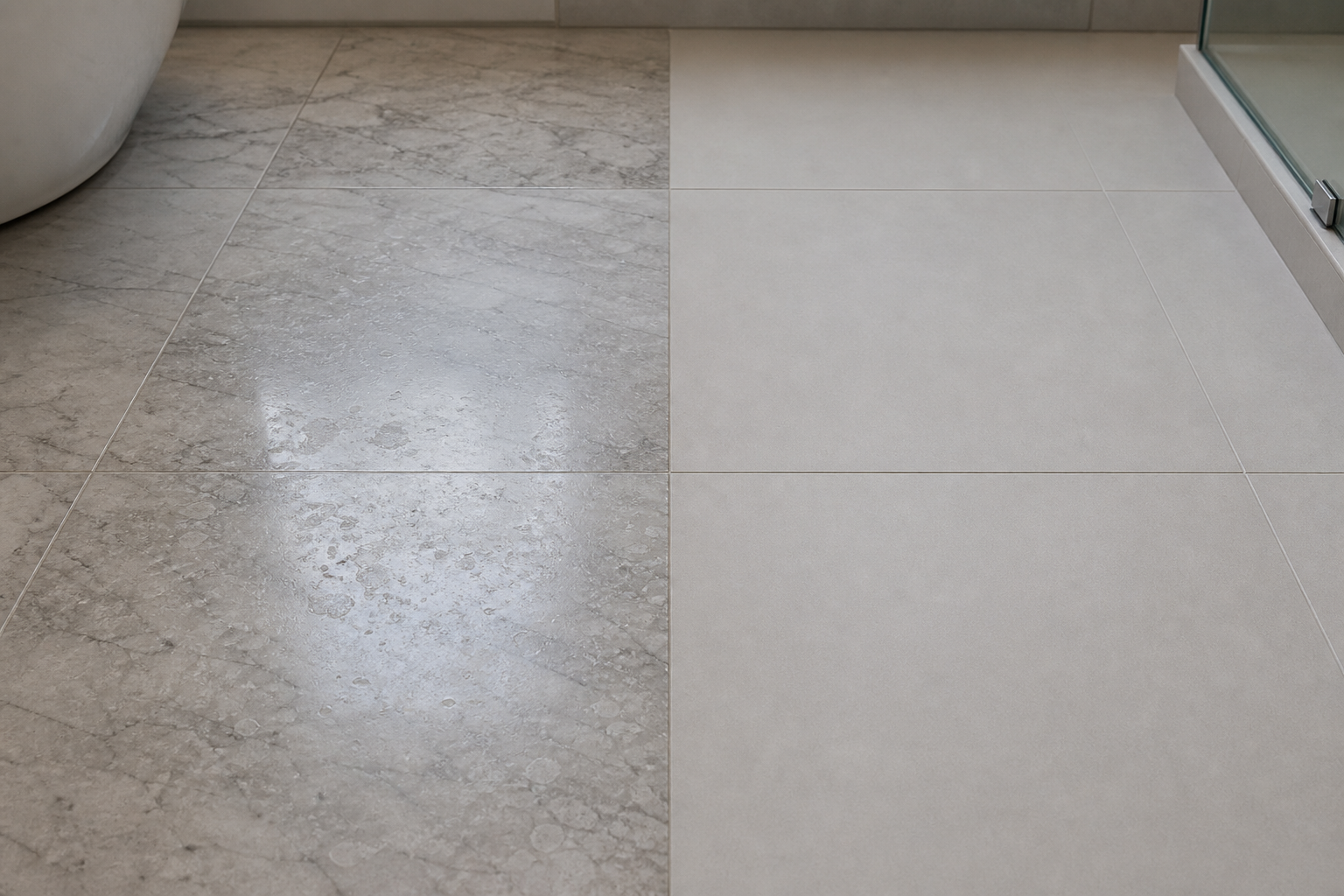
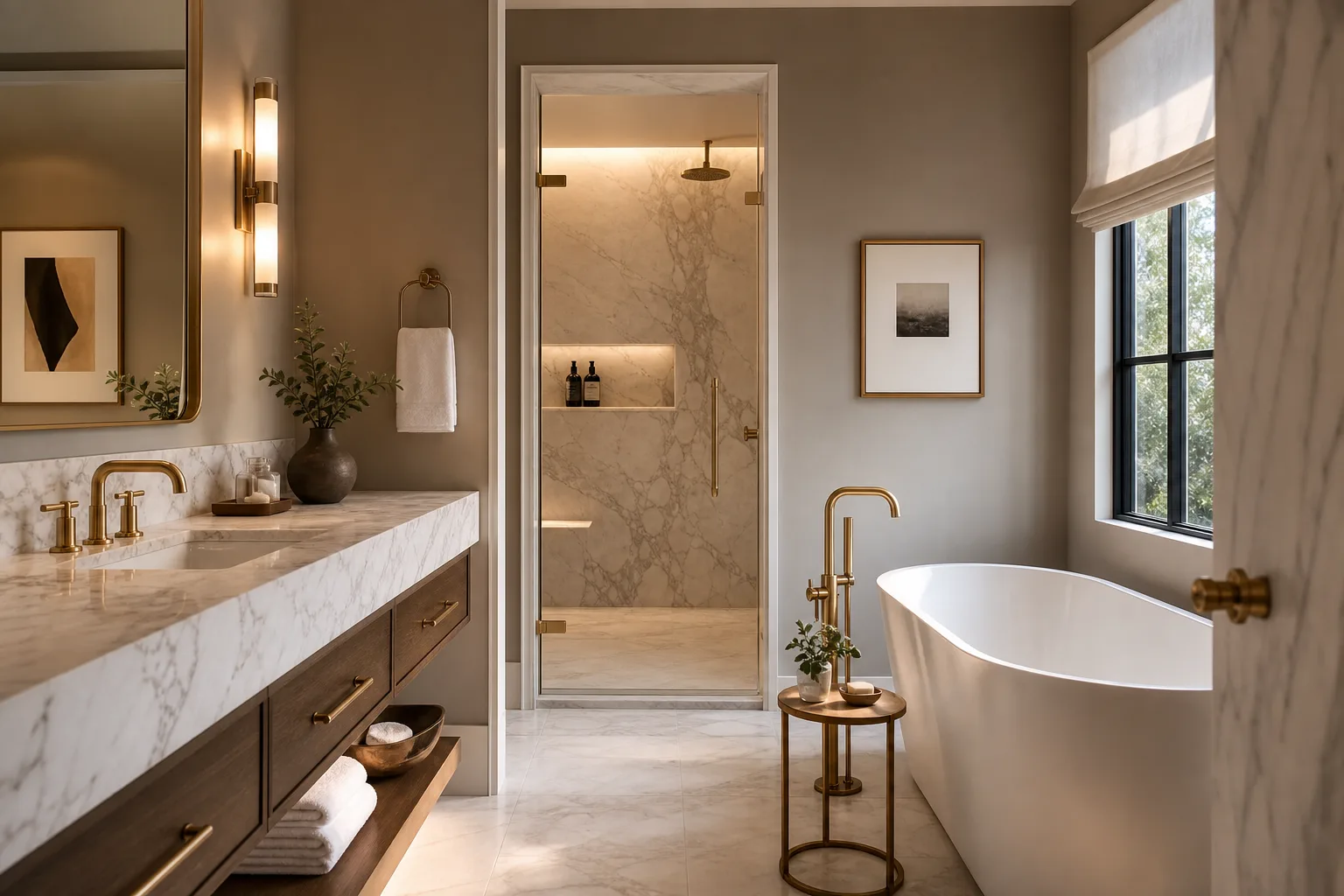
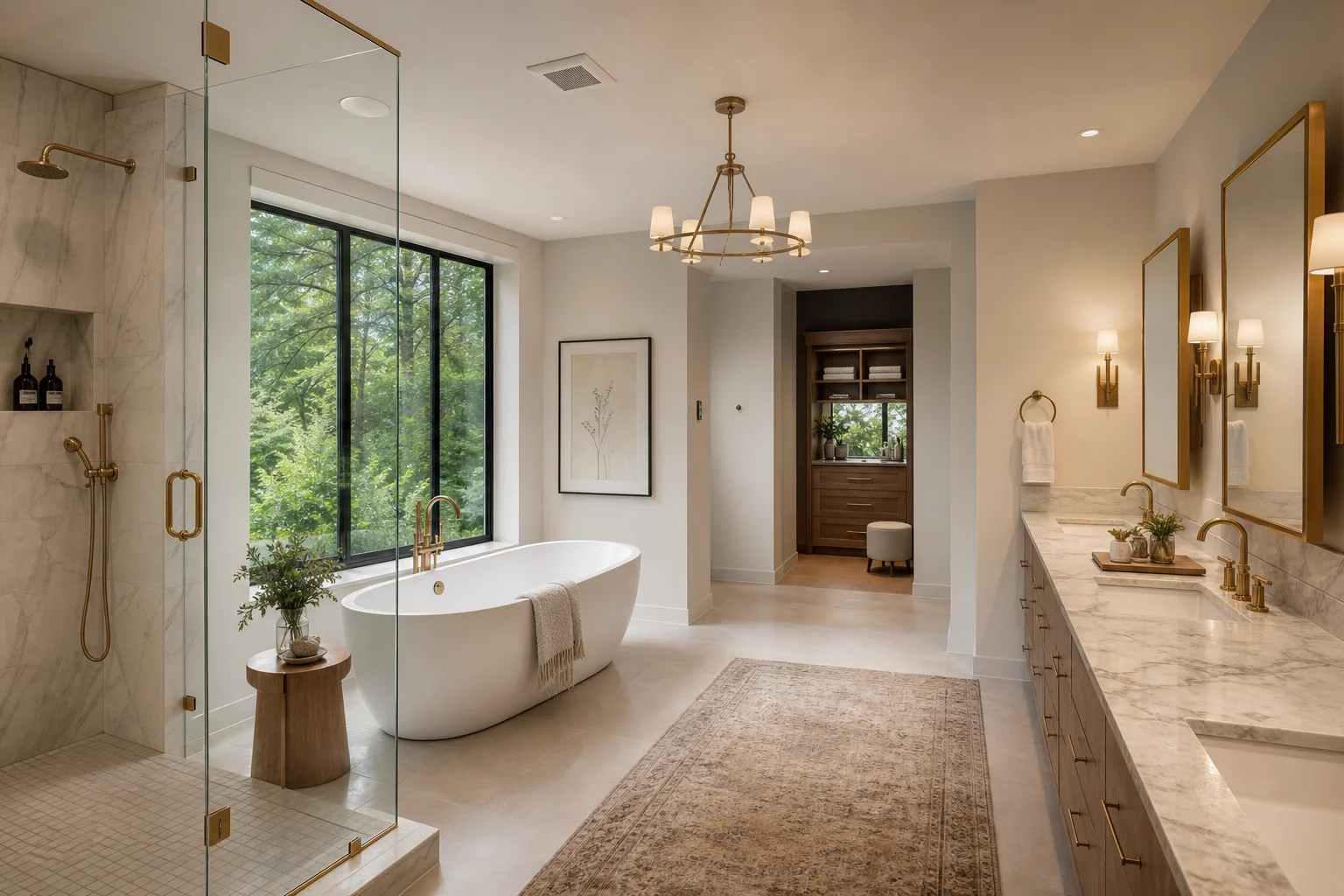
Polished marble, limestone, and travertine in shower walls or vanity surrounds are the highest-maintenance bathroom surface materials in common residential use. Their maintenance costs are driven by three independent mechanisms: etching, staining, and sealer degradation.
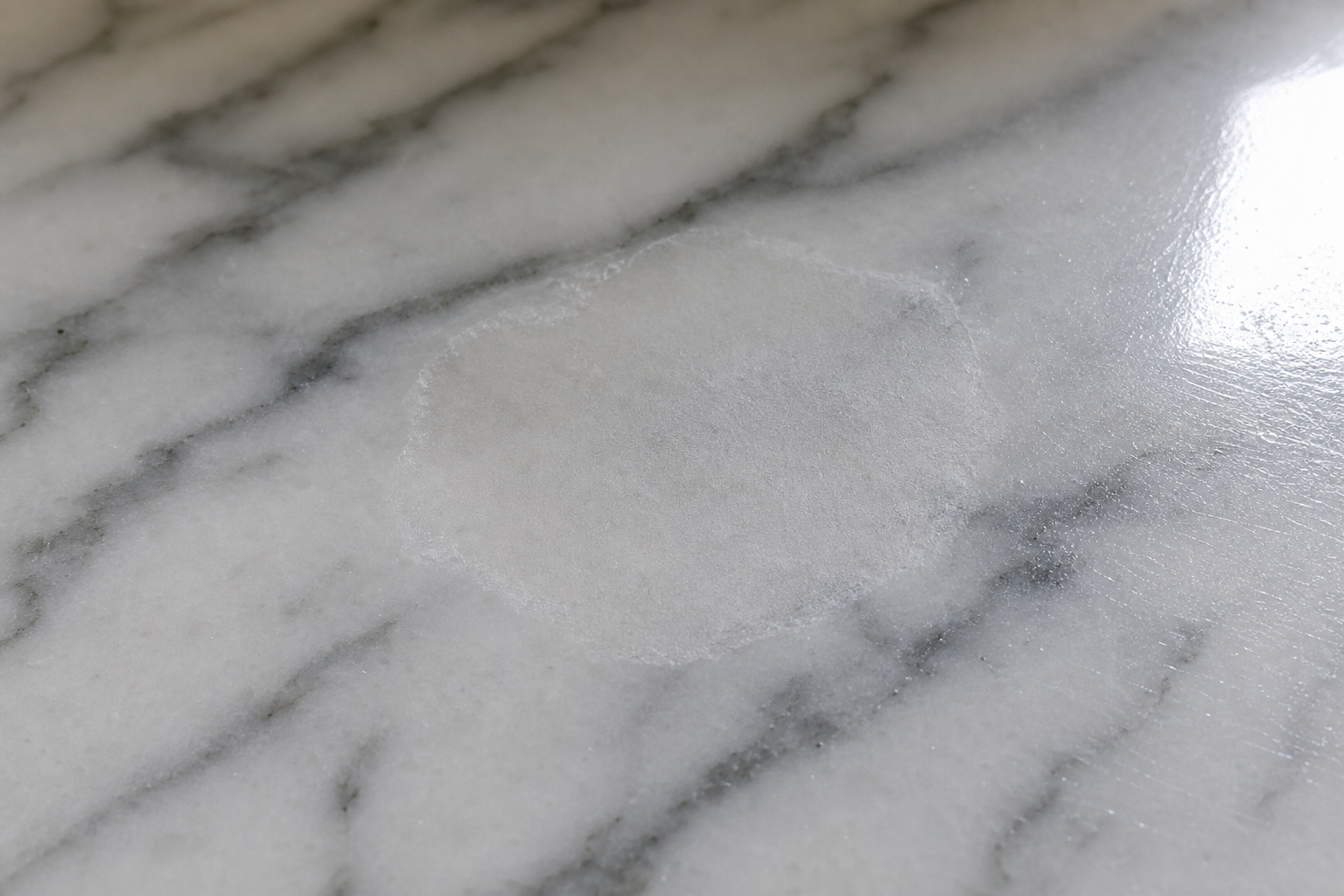
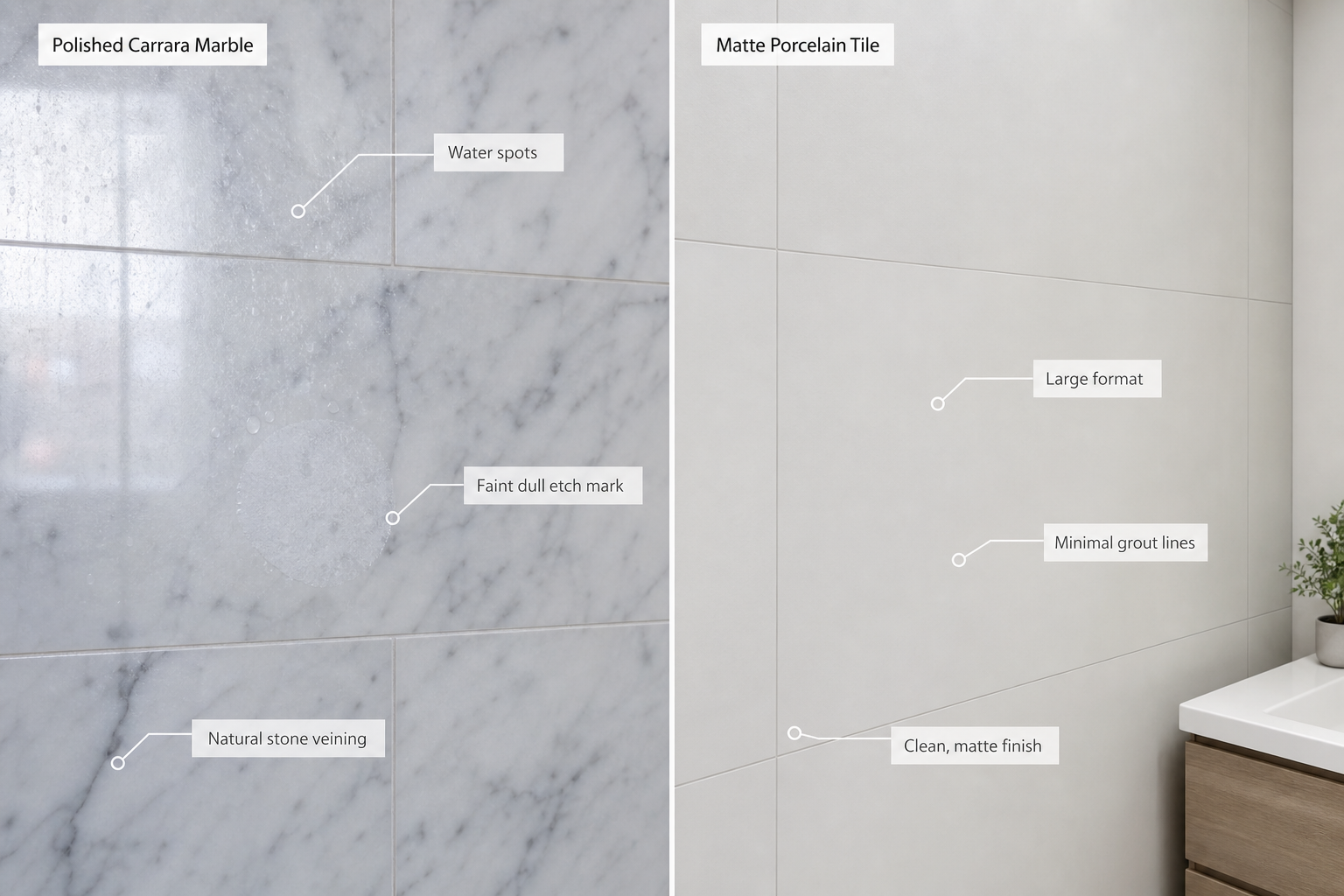
Etching is a chemical reaction between acid and calcium carbonate, the primary mineral in these stones. It is not a stain and cannot be removed by cleaning. Toothpaste, citrus soap, many personal care products, and even mildly acidic water over time dissolve the polished calcium carbonate surface and produce a dull, slightly matte spot. A polished marble vanity surface in daily use will develop visible etch marks within months of installation without deliberate management of acidic contact. The management requires either accepting the developing patina, choosing a honed finish that makes etch marks less visible, or limiting acidic contact consciously.
When polish restoration becomes the goal, the service requires a stone restoration contractor who mechanically re-hones and re-polishes the surface. This is a professional service with costs that vary by region and stone type. Industry estimates for marble countertop honing and polishing range from approximately $5 to $15 per square foot for professional service, with typical bathroom vanity tops in the 10 to 20 square foot range. A full restoration costs between $50 and $300 for the counter alone, and the frequency depends on use patterns. Heavily used marble vanity tops may benefit from professional attention every two to five years. Shower wall marble typically needs restoration less often because it is less likely to contact acids, but it requires more frequent sealing due to sustained water exposure.
Sealing is required for all three stones. A quality penetrating sealer applied annually to marble shower walls and every six to twelve months to marble countertops, given typical household use, costs approximately $20 to $40 per application in materials, plus one to two hours of preparation and application time. Over ten years, sealer costs for a standard marble bathroom add up to $200 to $400 in materials alone, plus the labor. If a homeowner misses sealing cycles and the stone absorbs stains, remediation adds professional stone cleaning or honing on top of the restoration cost.
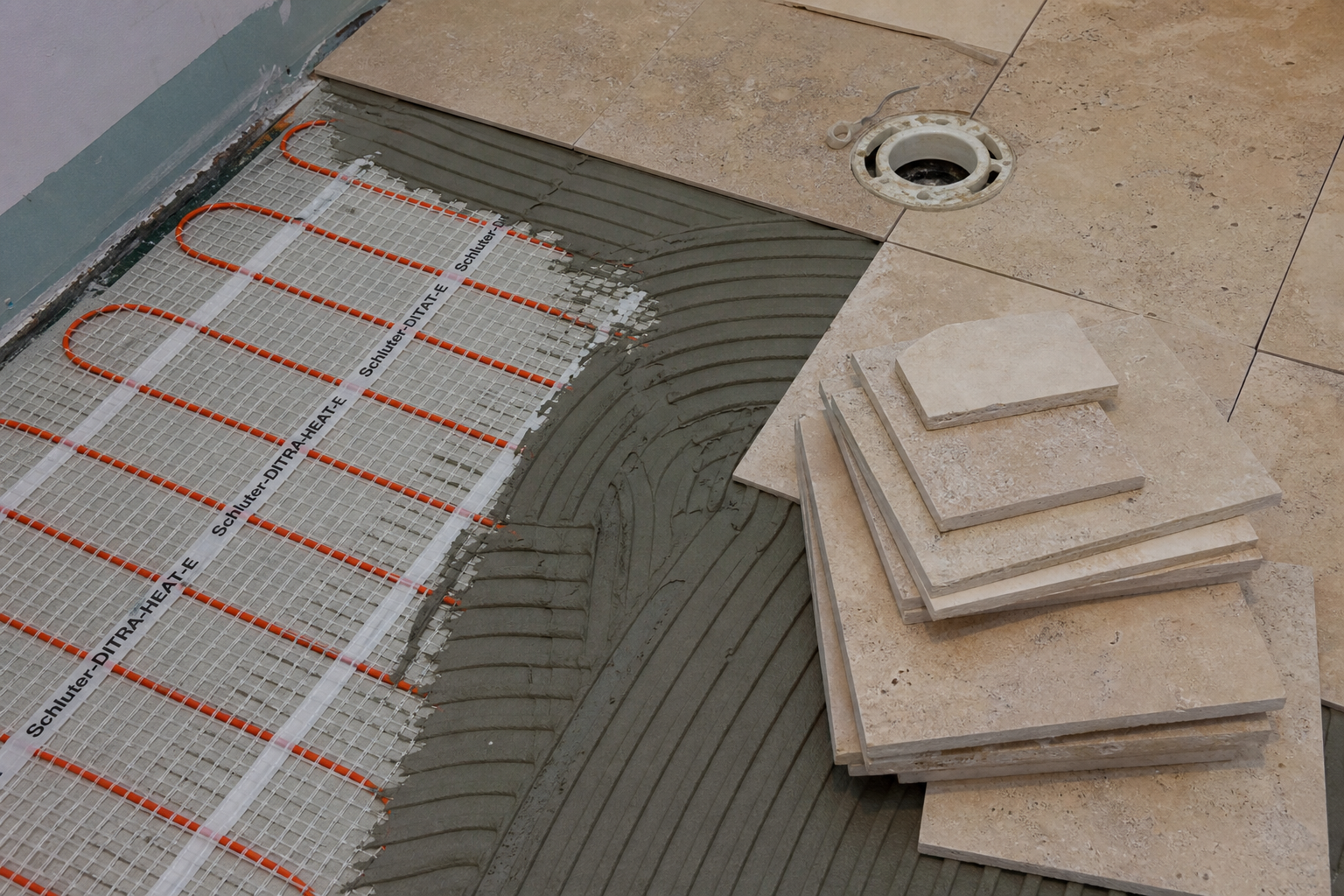
Travertine presents an additional maintenance category because of its physical structure. Travertine is a porous stone with natural voids that are typically filled with grout or epoxy during installation. Those voids re-open over time as the fill material shrinks or is worn away. A travertine floor used daily will need its voids refilled every several years. This is a two-component task: cleaning the opening thoroughly and applying compatible filler material. Neglected voids collect dirt that cannot be removed by surface cleaning.
Over ten years, a polished marble or travertine bathroom in average residential use accumulates maintenance costs in the range of $500 to $2,000 in materials plus professional service, depending on how much of the work the homeowner can and does perform personally. That range does not include replacements from damage.
Porcelain Tile
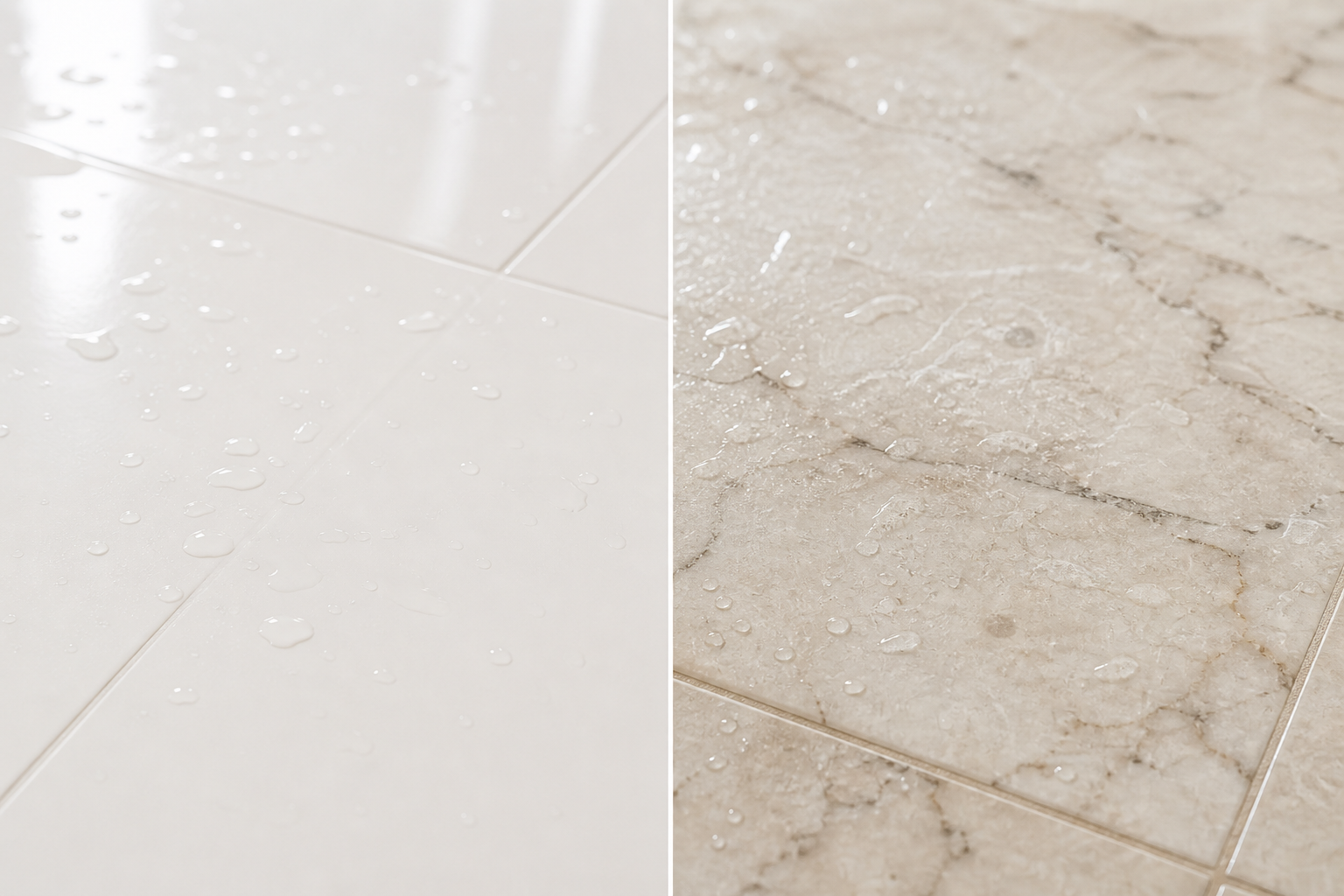
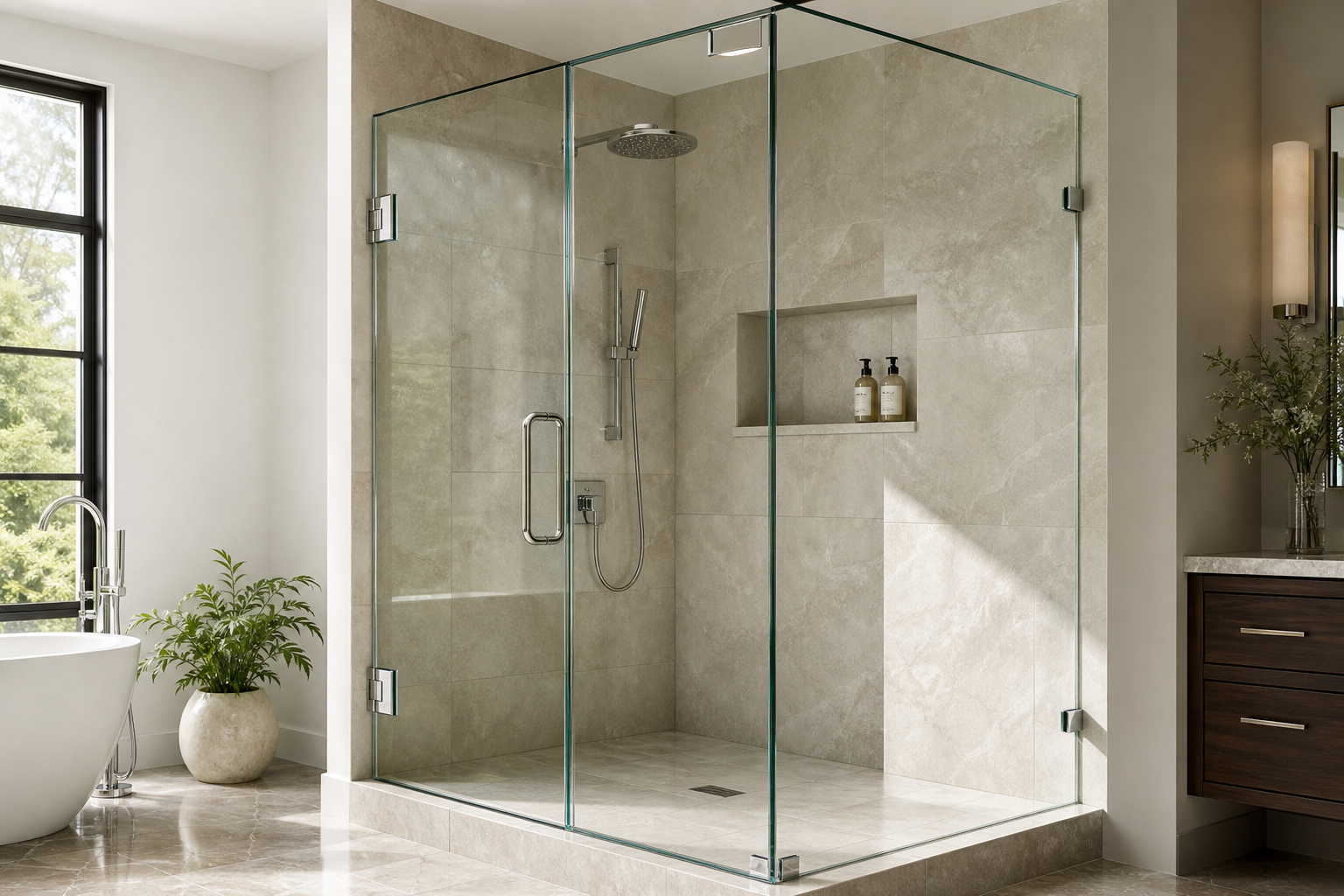
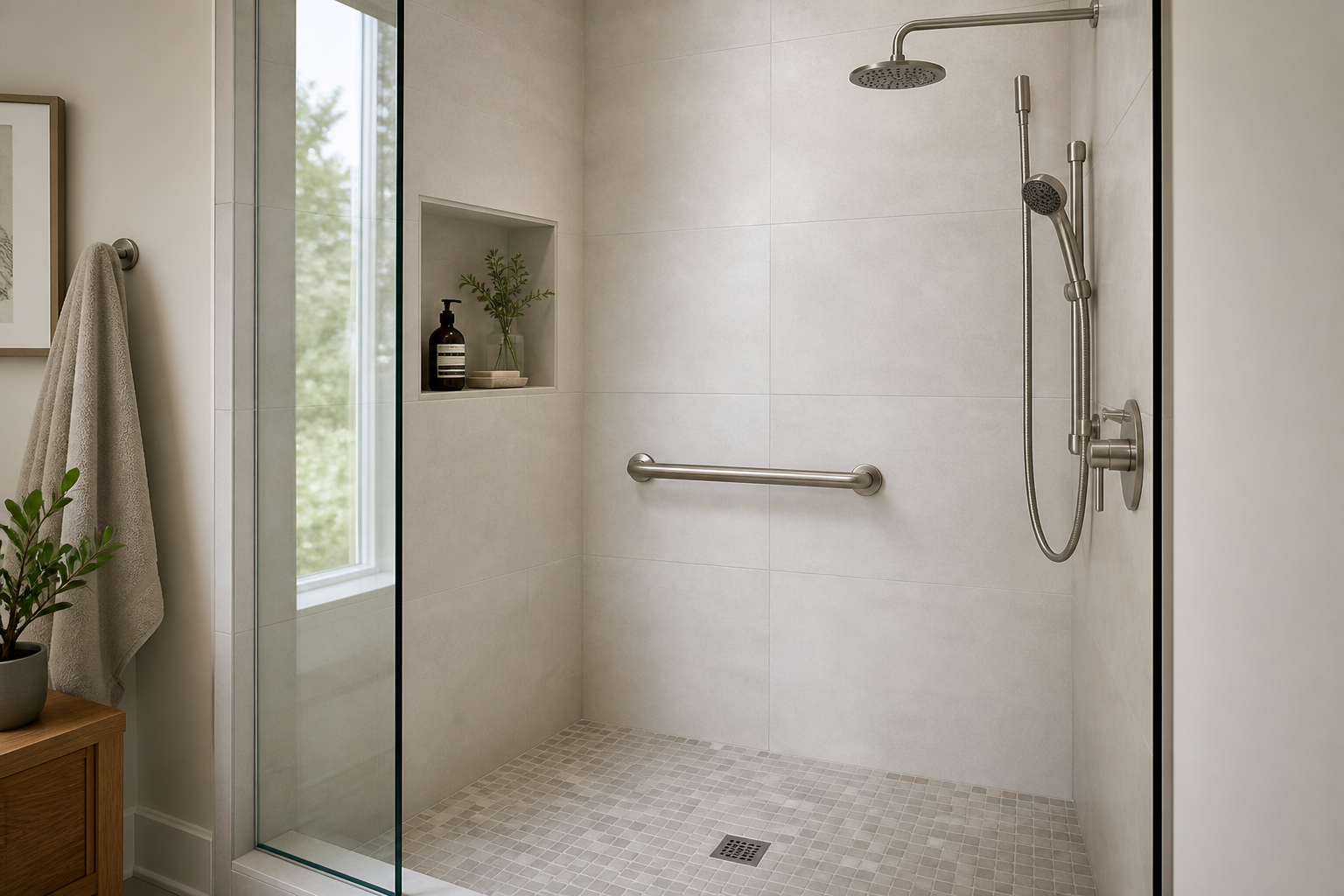
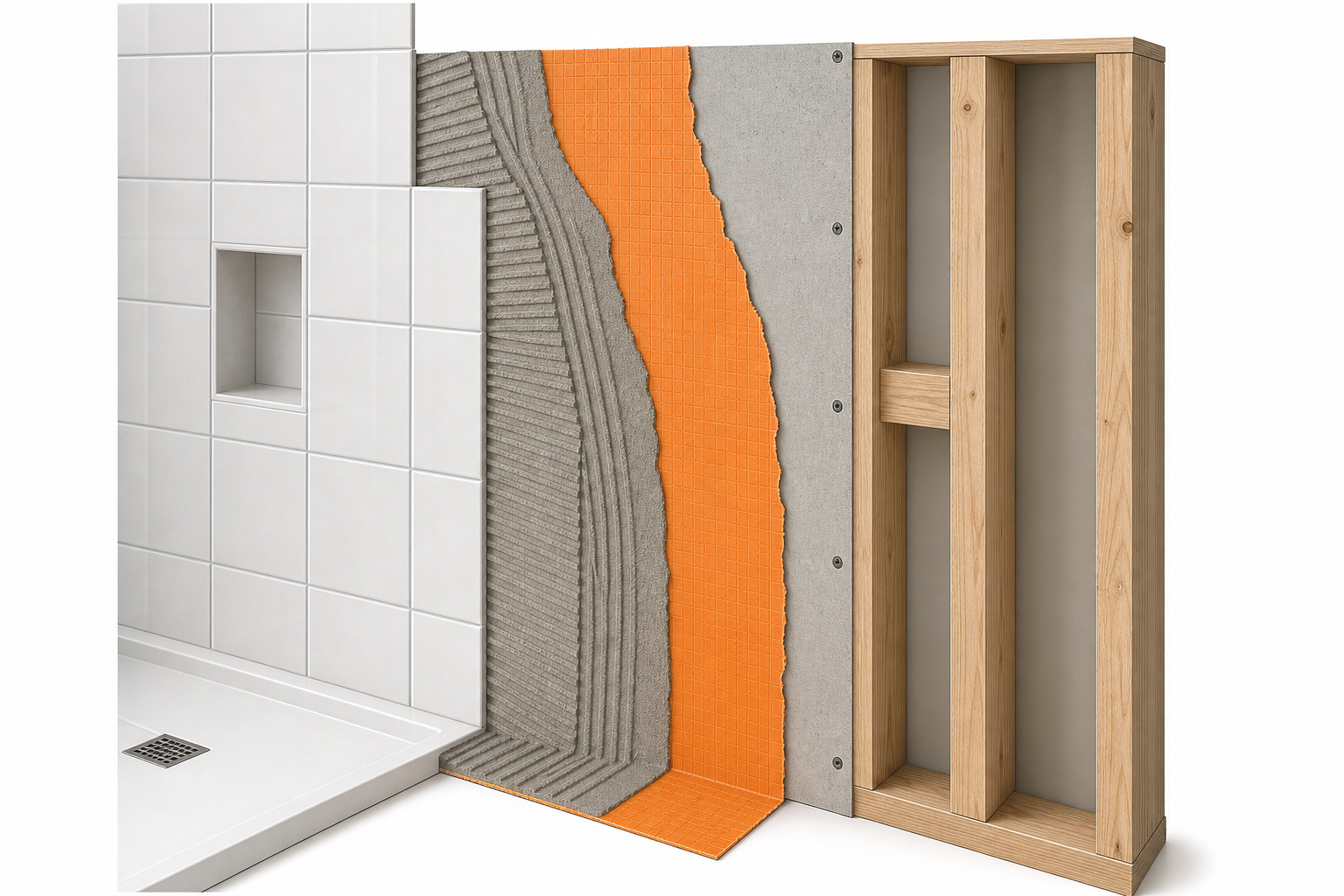
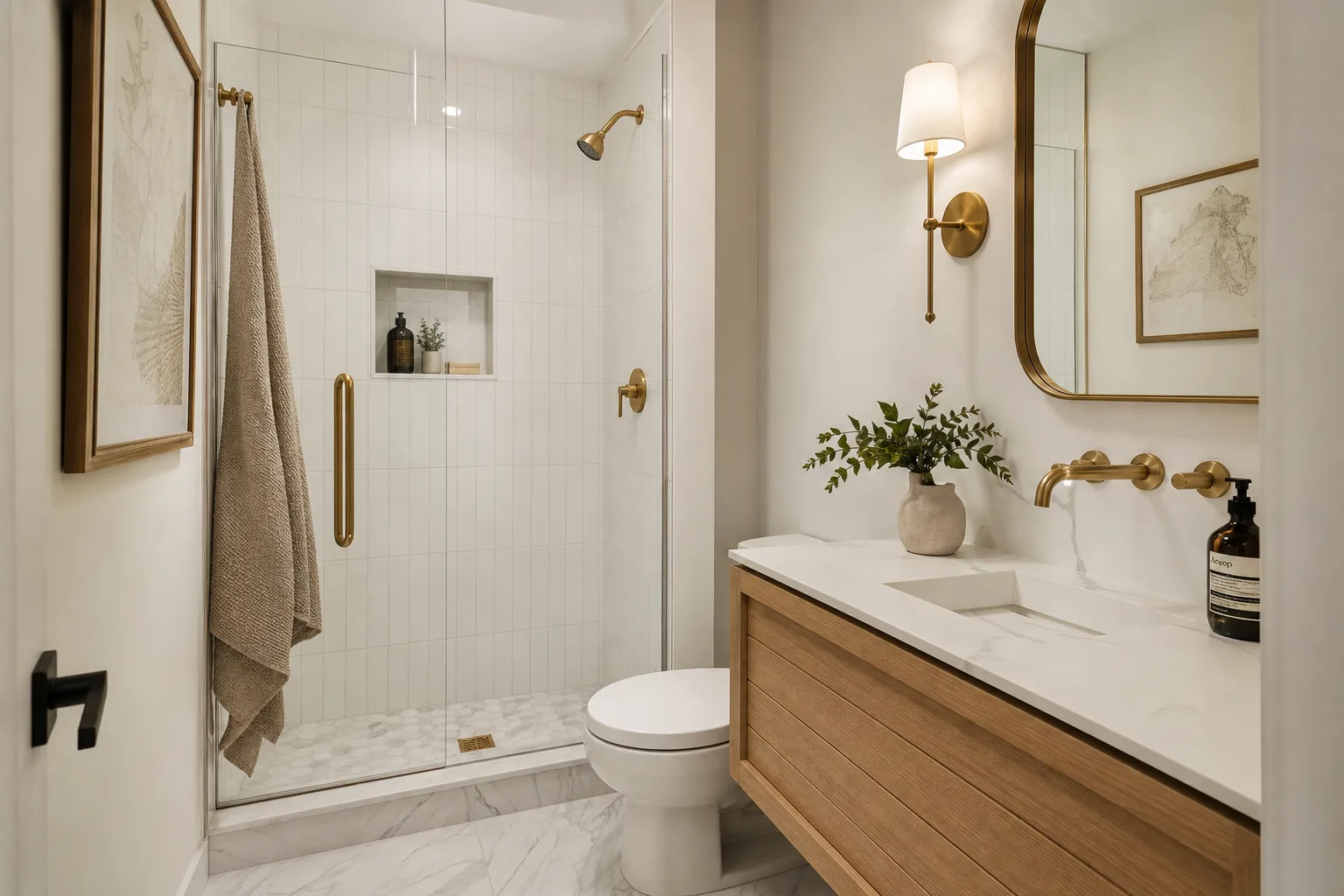
Glazed porcelain tile is the nearest to a maintenance-free bathroom surface material available at residential price points. The glaze is glass, fired at high temperature onto the tile body. Glass does not absorb water, does not etch in response to acids, does not stain from most household chemicals, and does not require sealing. A porcelain shower wall properly installed with tight, appropriate grout joints can serve for decades with no maintenance beyond routine cleaning.
The maintenance cost of a porcelain tile bathroom is almost entirely in the grout and the caulk, not in the tile itself.
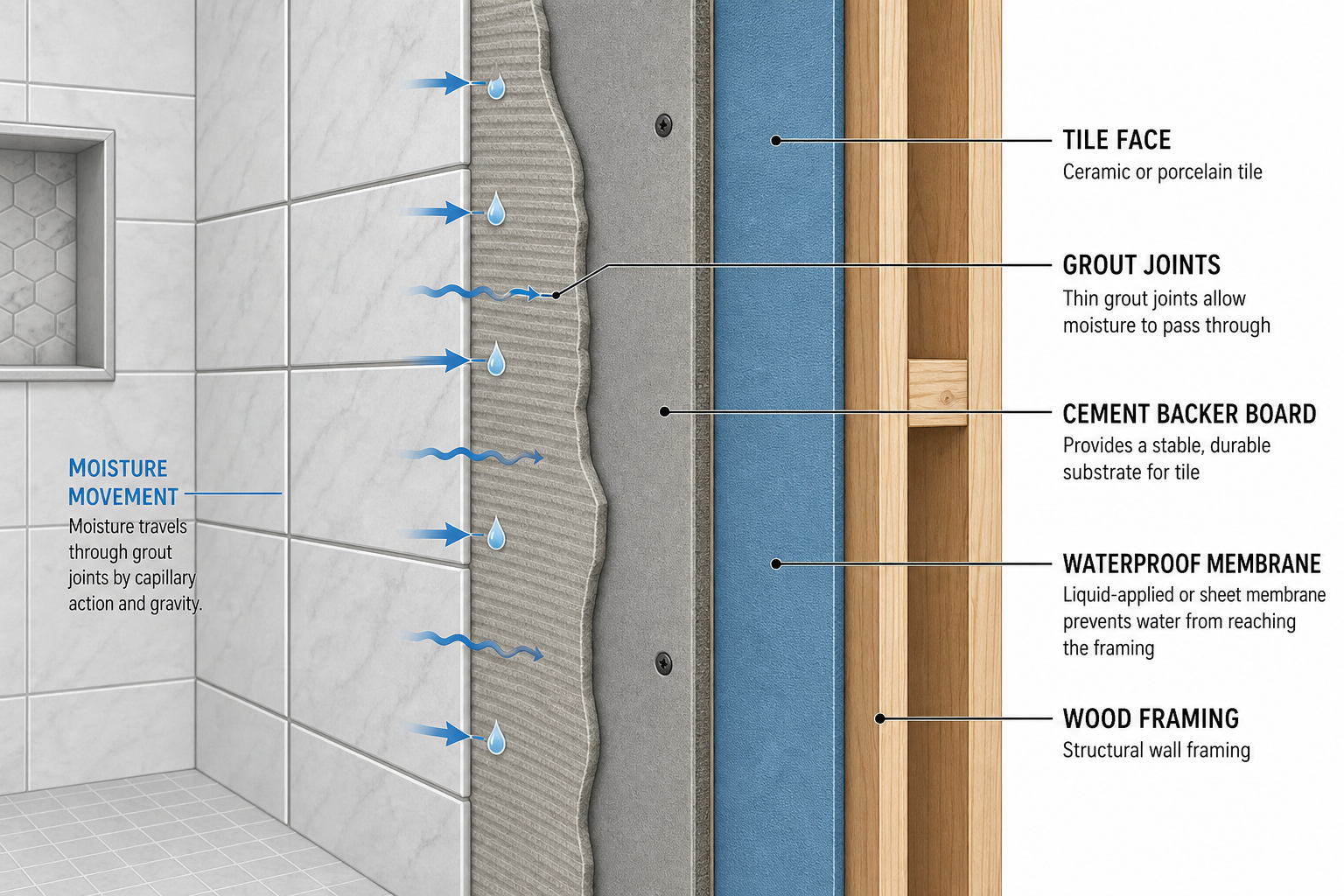
Grout sealing in a porcelain tile bathroom should be performed every one to three years depending on the grout type, joint width, and level of daily use. An epoxy grout installation essentially eliminates this requirement because epoxy grout does not form the capillary network that absorbs water and cleaning products. But most residential installations use cement-based grout, and cement grout benefits from periodic sealing. For a typical bathroom floor and shower in porcelain with cement grout, sealer cost runs approximately $15 to $25 per application in materials, with application time of one to two hours.
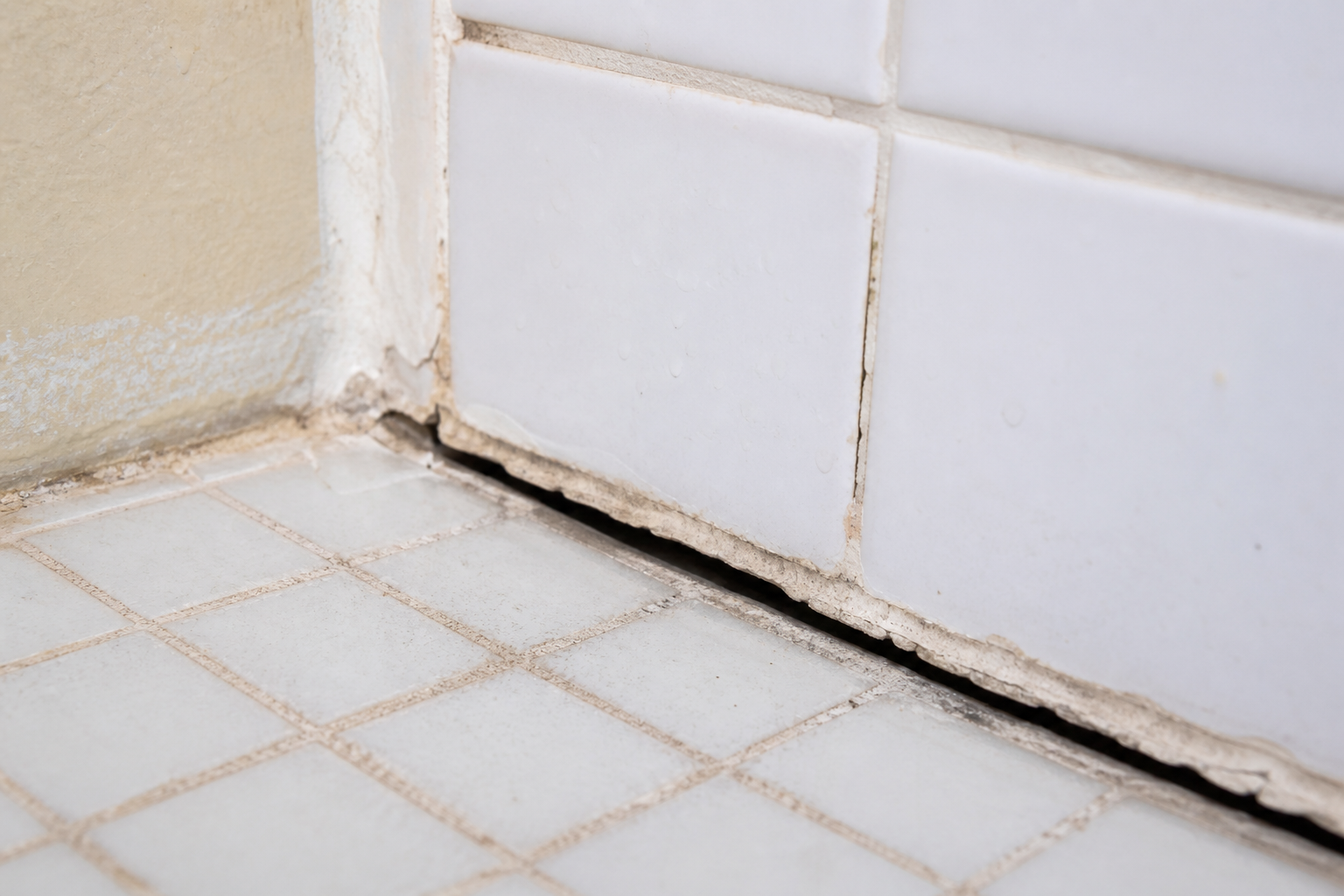
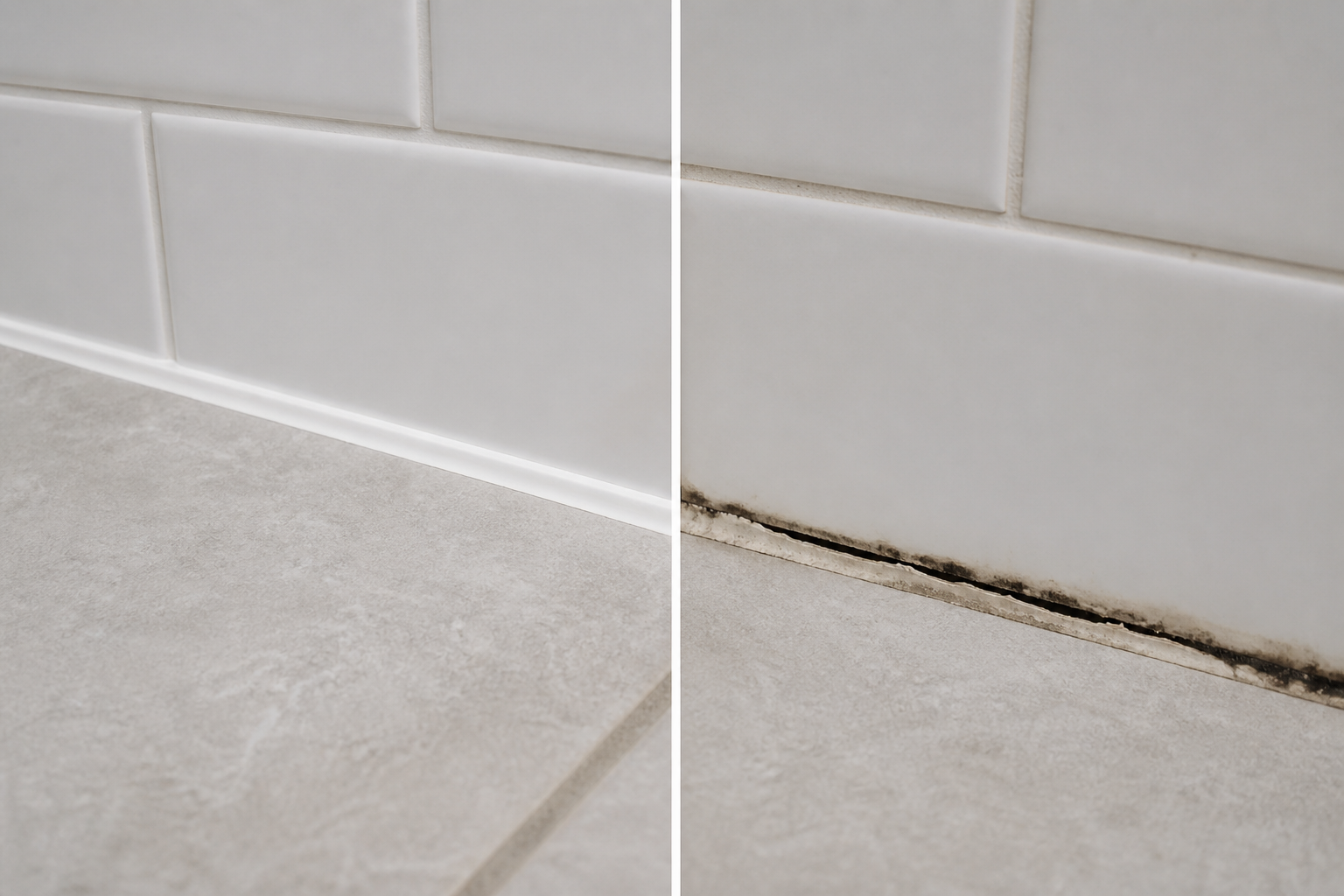
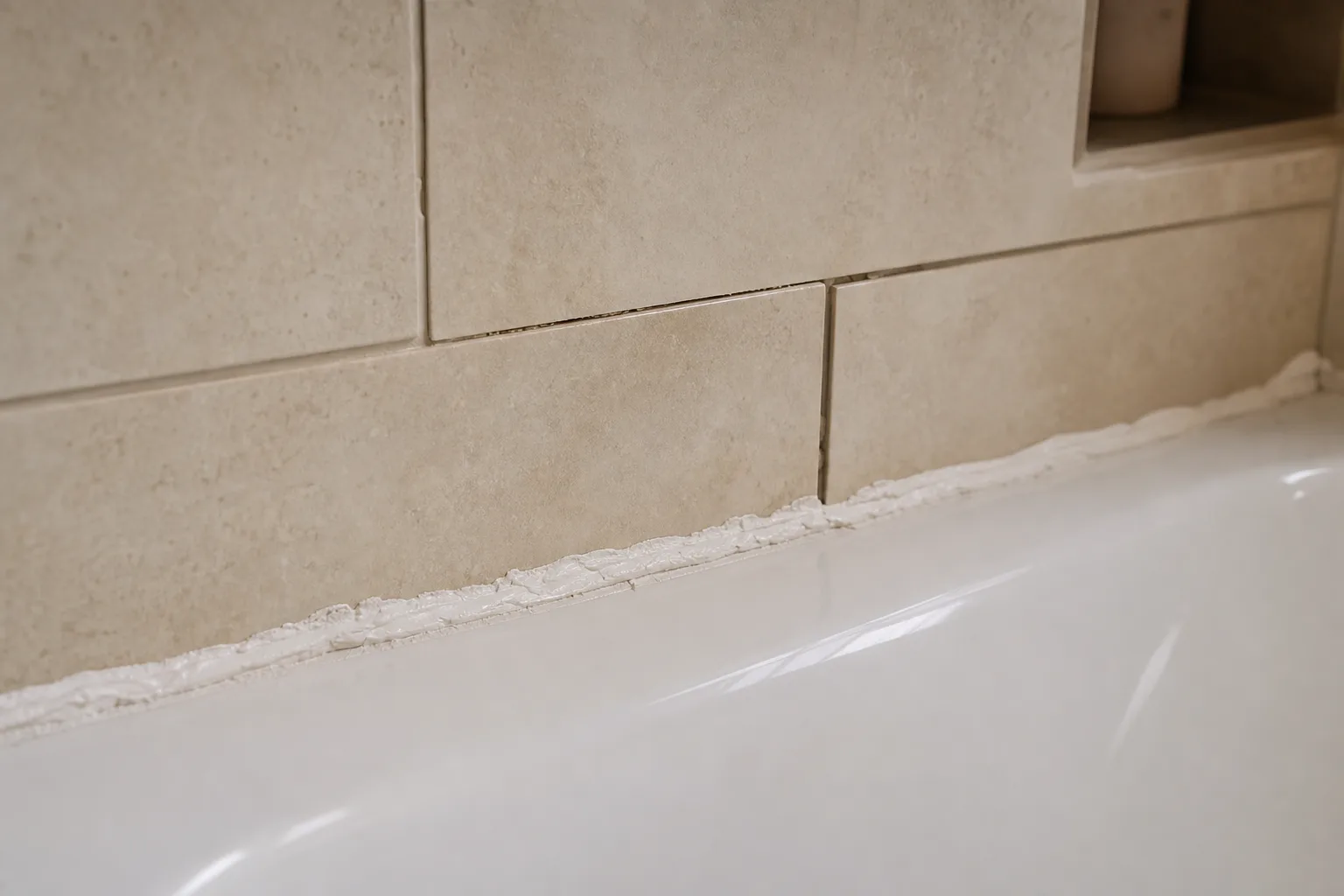
Caulk replacement at the change-of-plane joints, typically every three to five years in a well-maintained bathroom, adds a small periodic cost. Silicone caulk in shower applications develops surface mold as it ages and eventually requires removal and replacement. A tube of appropriate caulk costs $8 to $15 at retail. The labor is DIY-capable with the right preparation. Professional caulk replacement for a shower enclosure typically runs $75 to $200 depending on the scope.
Over ten years, a porcelain tile bathroom's maintenance cost runs approximately $100 to $300 in materials, plus professional service if the homeowner elects not to handle caulk replacement personally. The gap between this and the marble range is substantial.
Grout Joint Width and Its Effect on Maintenance Labor
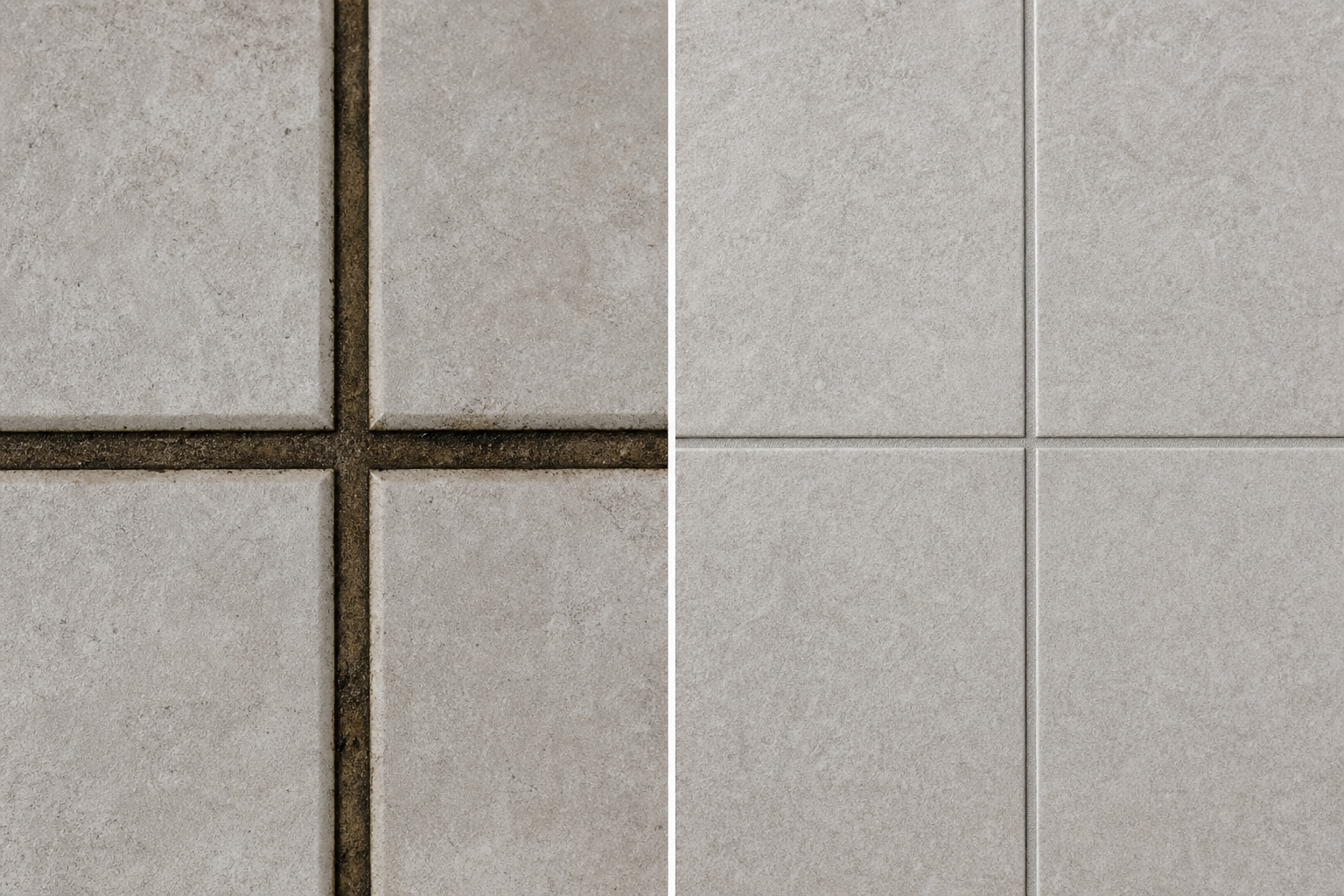
Grout joint width is a maintenance variable that is never discussed as maintenance in the design conversation, but it may be the single most significant determinant of cleaning labor over the life of a tiled room.
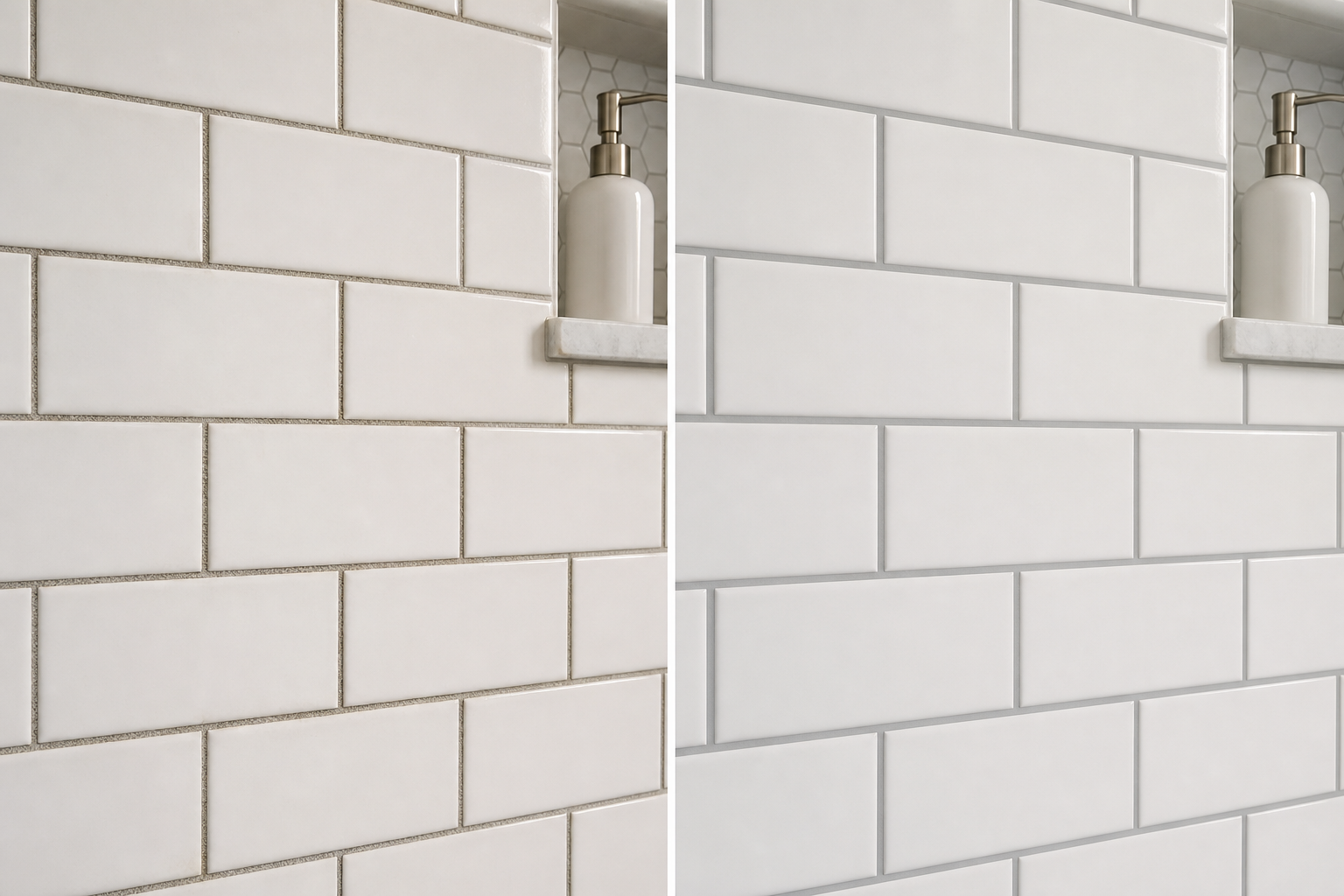
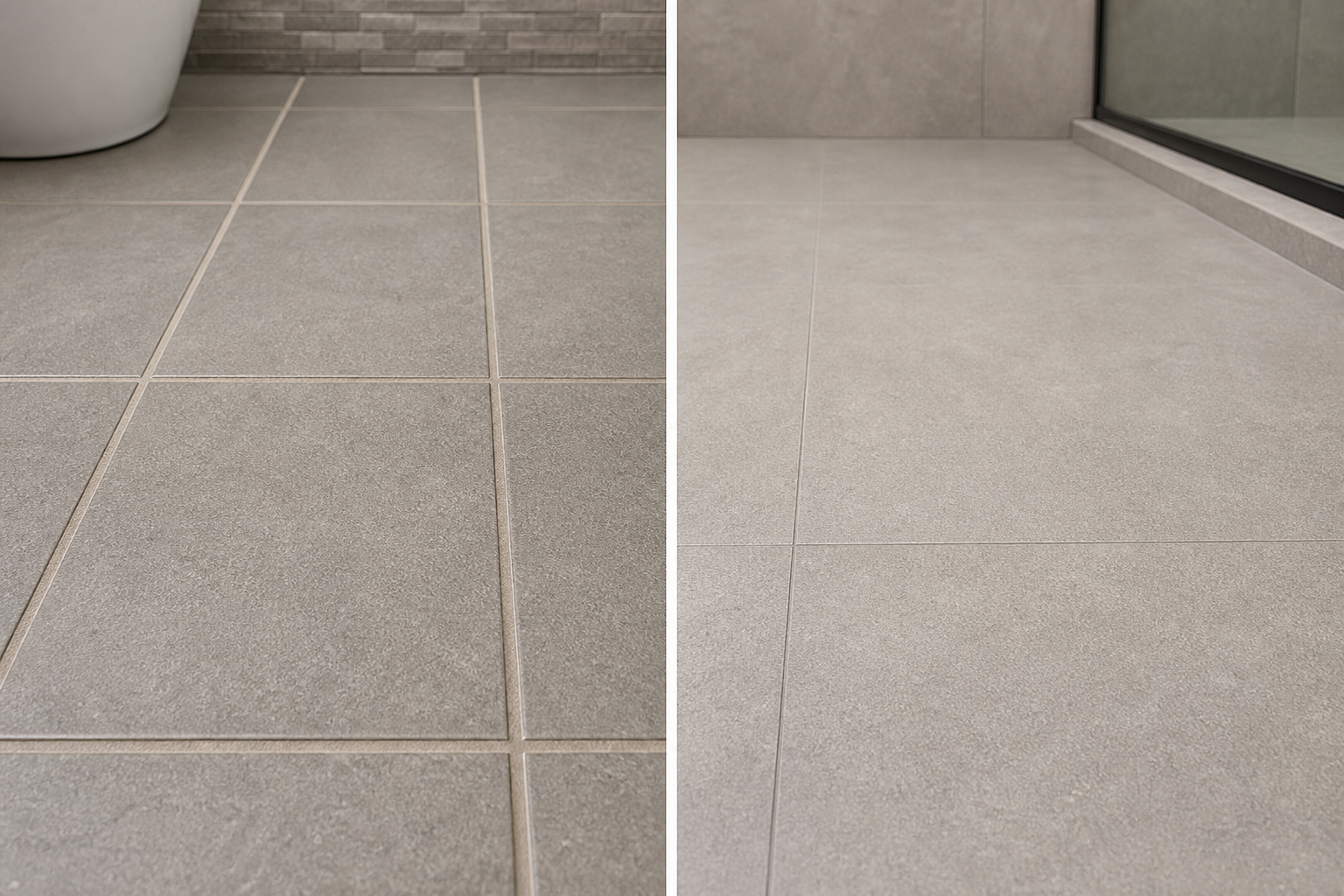
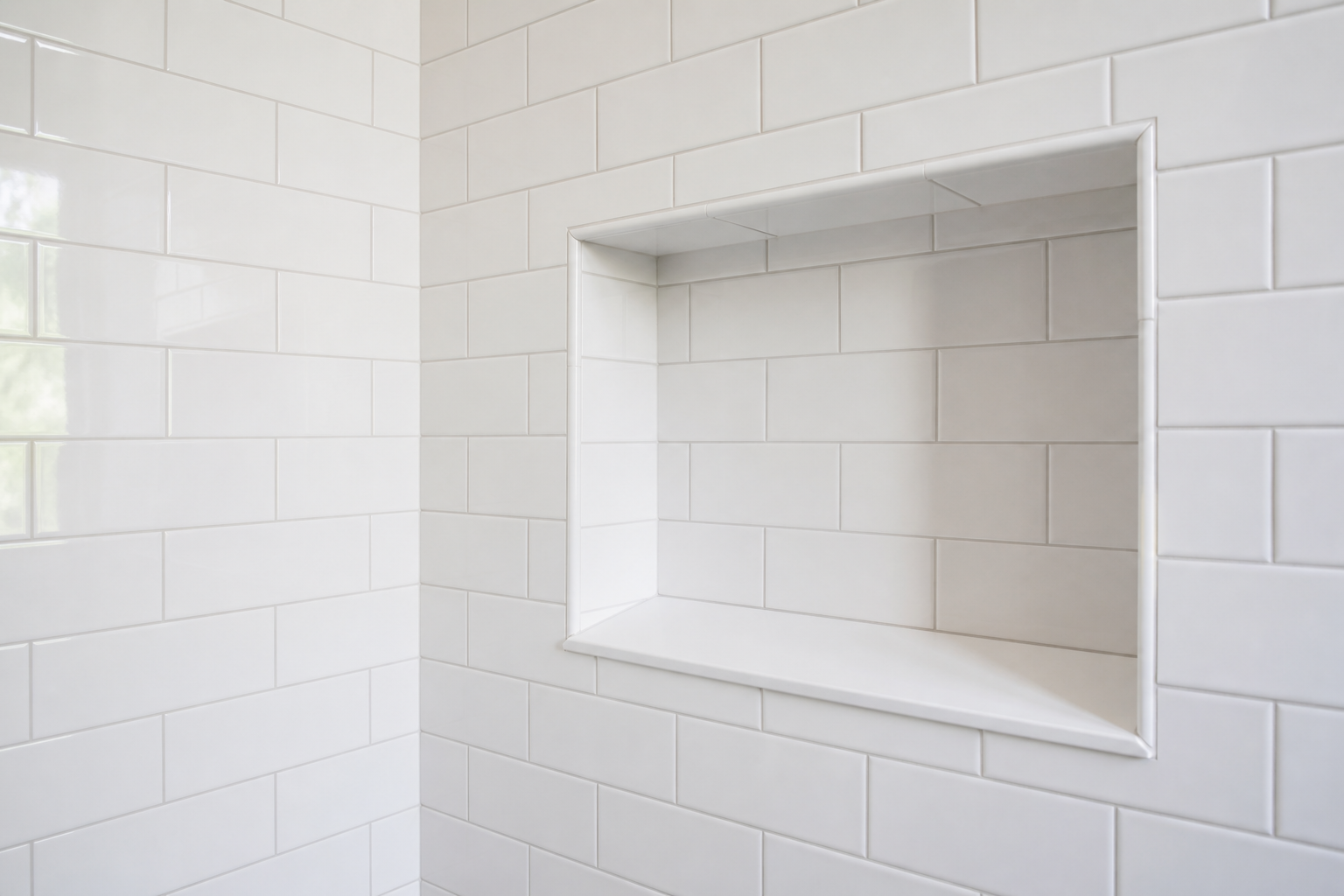
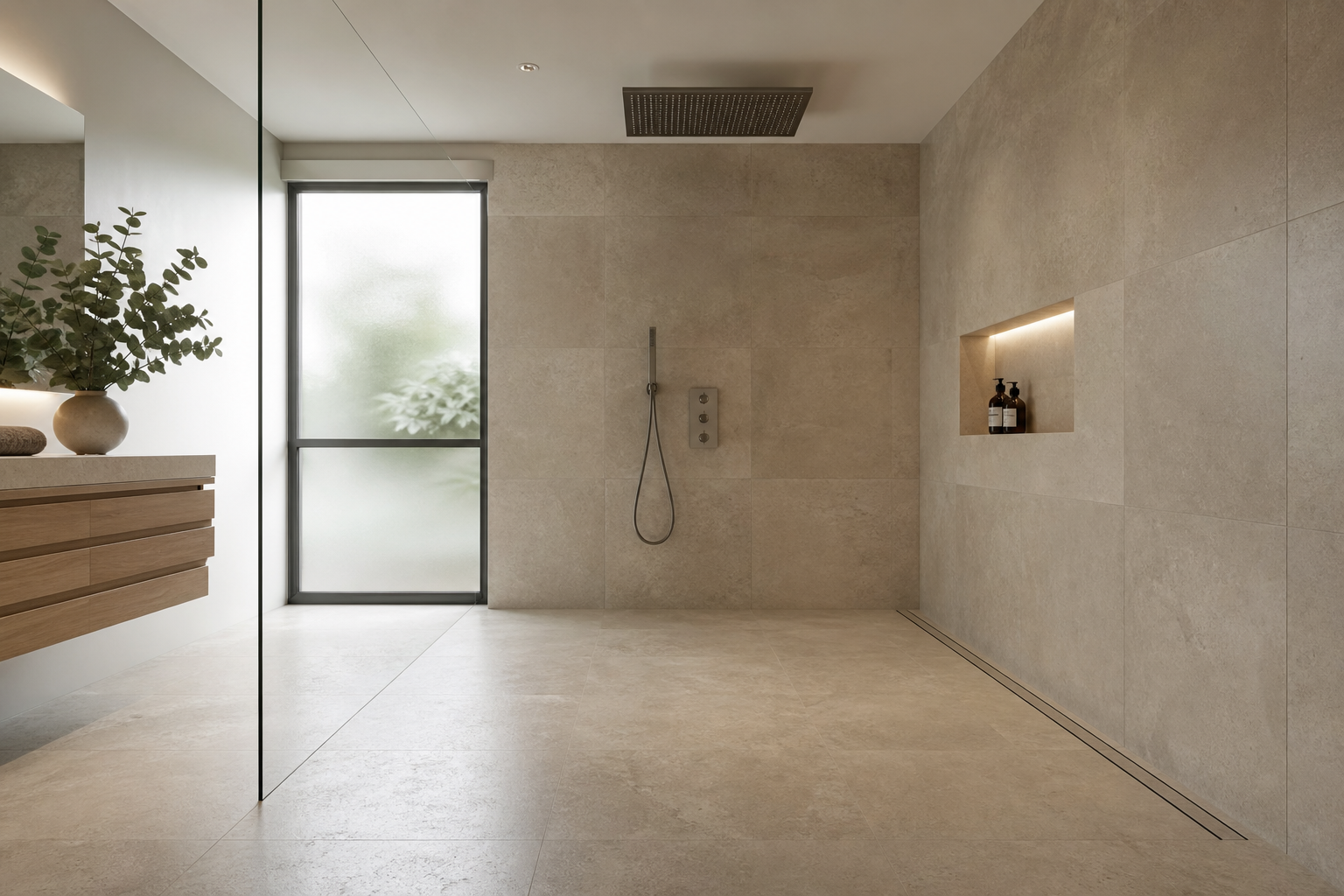
A narrow grout joint, in the 1/16-inch range that large-format tile enables, presents a small surface area of porous grout per square foot of wall or floor. The tile is the dominant surface, and the tile is easy to clean. A wider grout joint, in the 1/4-inch or larger range that some patterns require, presents substantially more grout surface per square foot and that grout surface is recessed below the tile plane in ways that make mechanical cleaning more difficult.
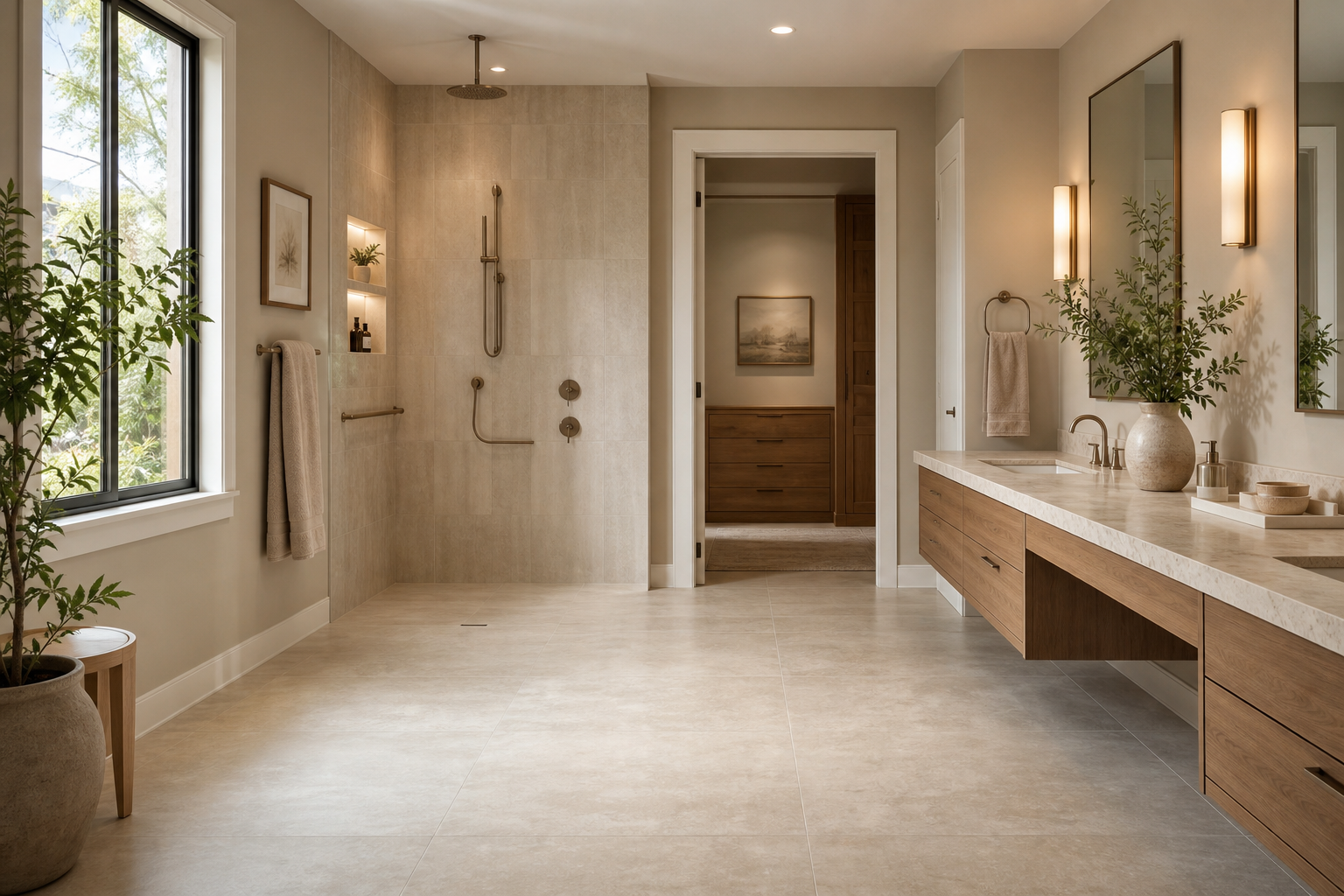
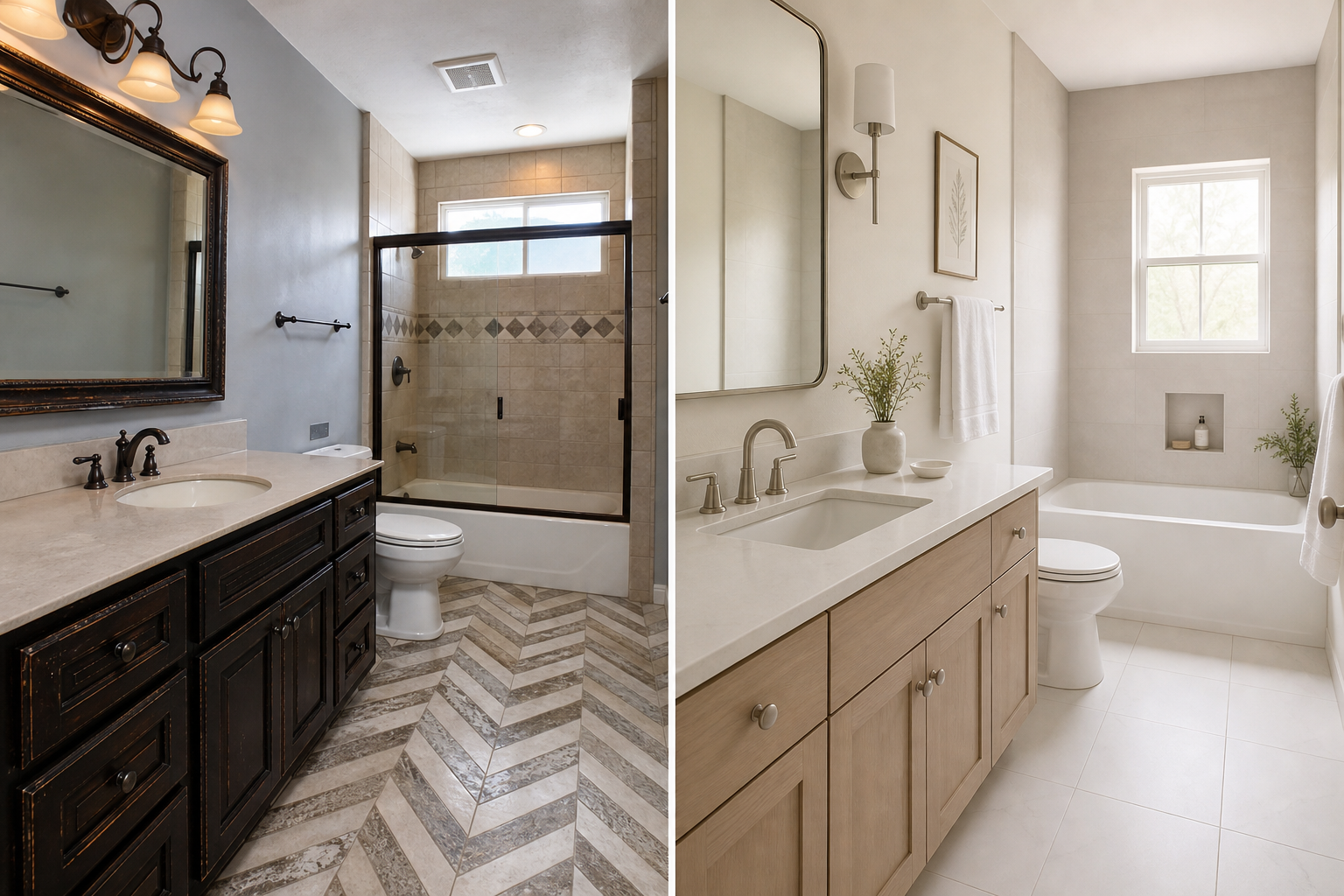
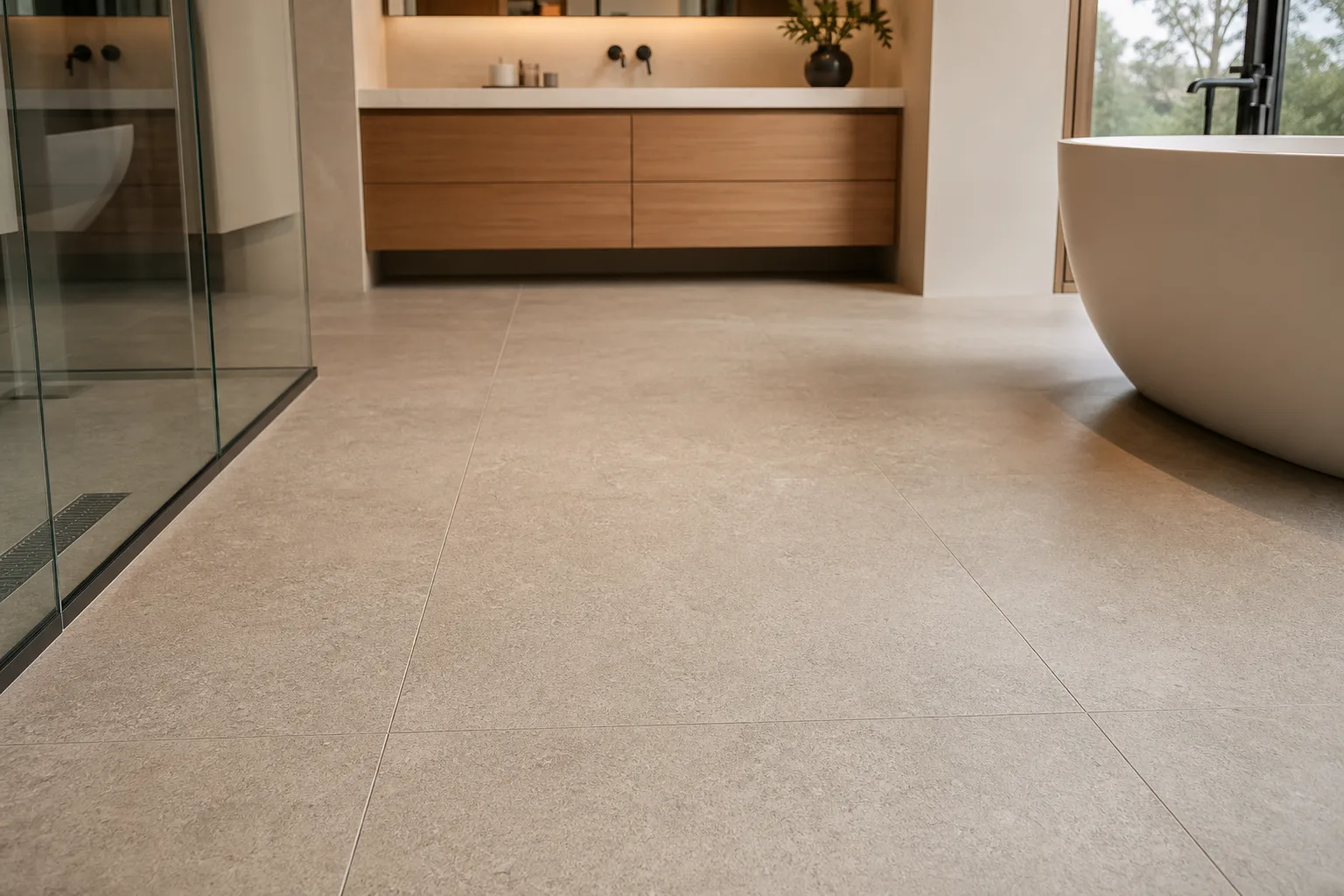
The practical consequence is that a bathroom with large-format tile and narrow joints cleans faster and stays cleaner than a bathroom with small-format tile and wide joints, all else being equal. The comparison is more pronounced on floors, where the accumulation of dirt in a recessed grout joint requires more mechanical effort to remove than the same dirt on a smooth tile surface. The ten-year cleaning labor difference between a 12-by-12 tile floor with 3/16-inch joints and a 24-by-48 tile floor with 1/16-inch joints is not trivial.
This is a legitimate design consideration. A pattern that requires a wider joint, a smaller tile format, or an irregular grout network is not wrong. It may be exactly the right choice aesthetically and architecturally. But it carries a maintenance implication that should be part of the conversation.
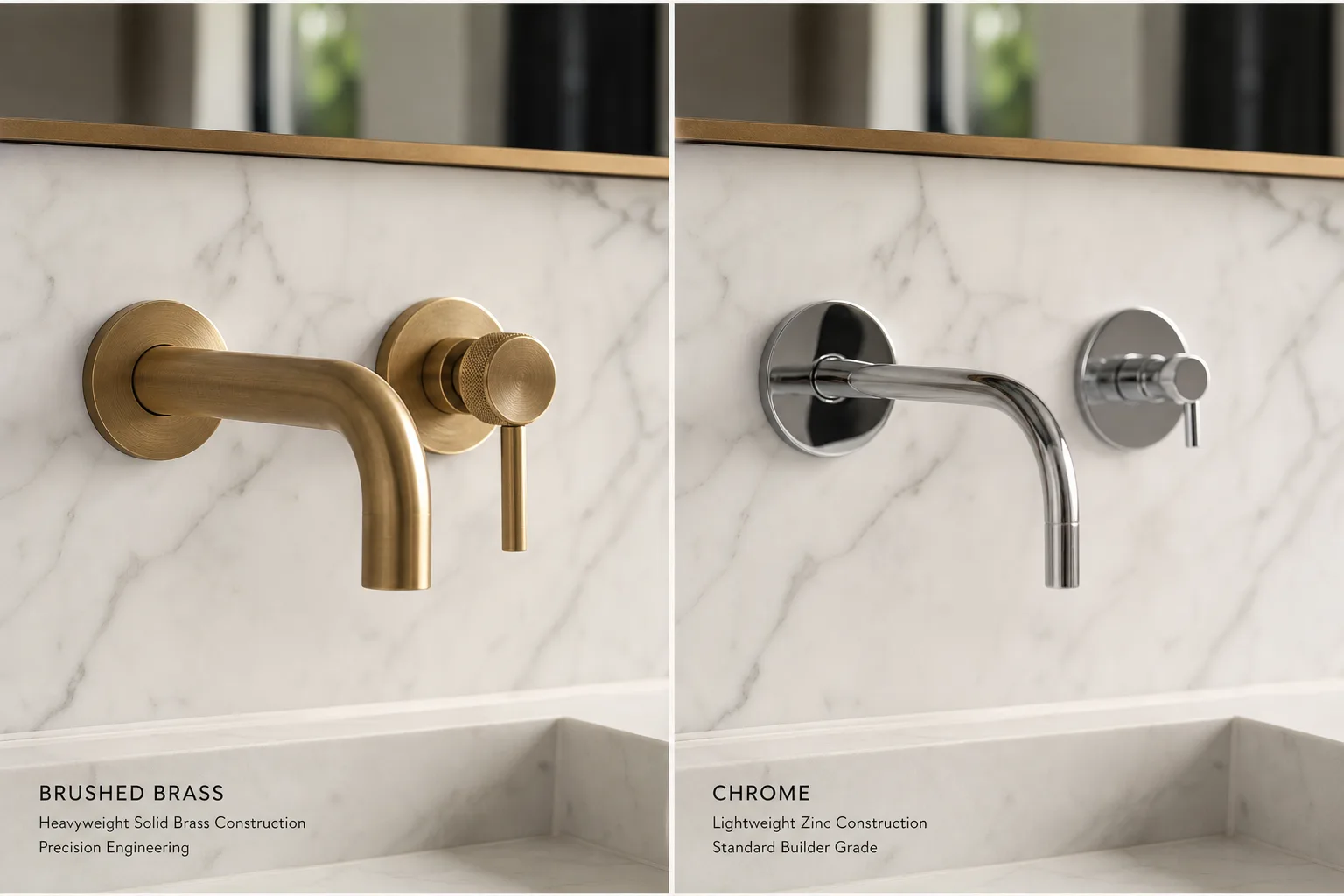
Metal Fixtures: Polished Chrome, Matte Black, Unlacquered Brass
Metal fixture finishes have maintenance profiles that are independent of the tile and stone choices and that vary considerably by finish type.
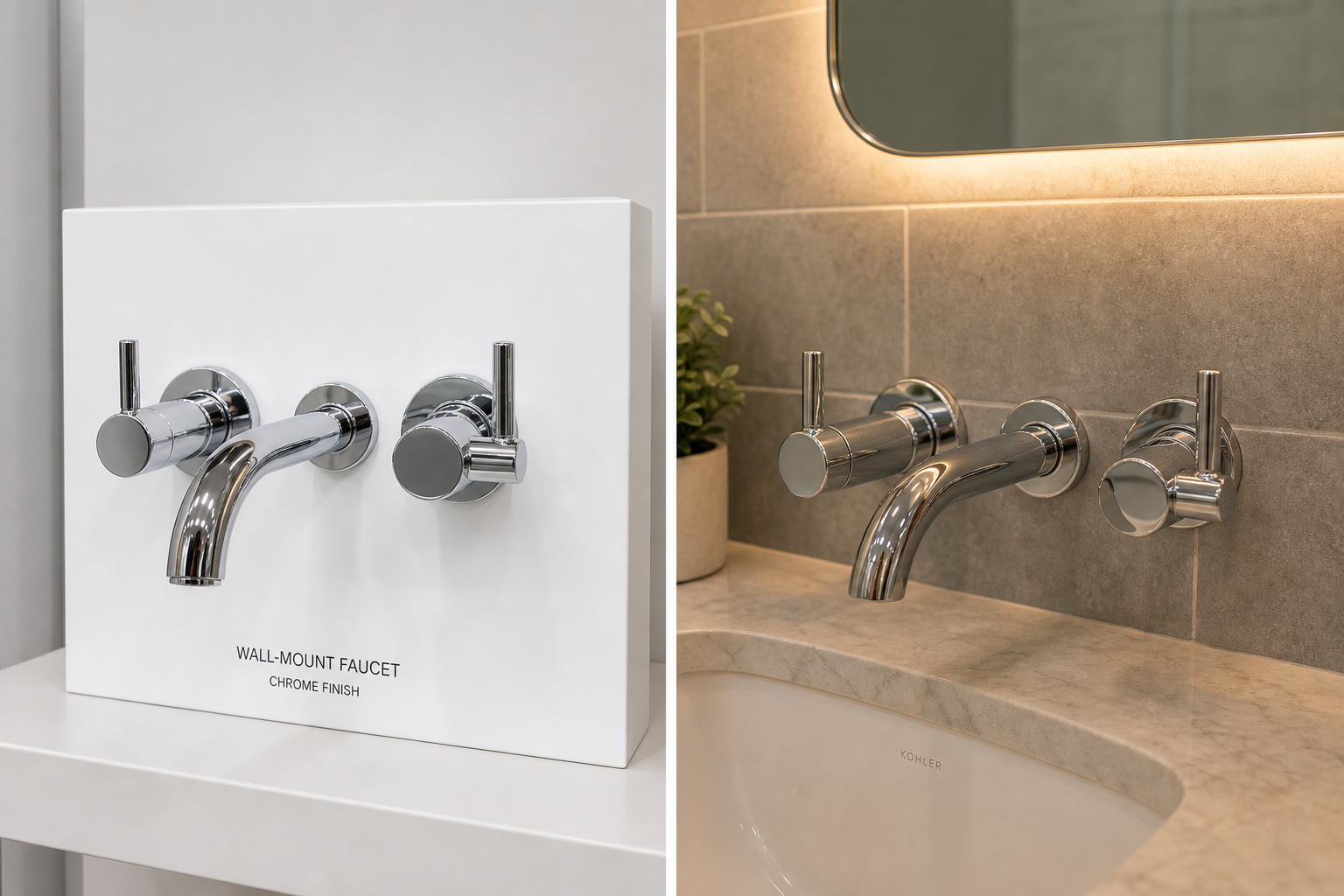
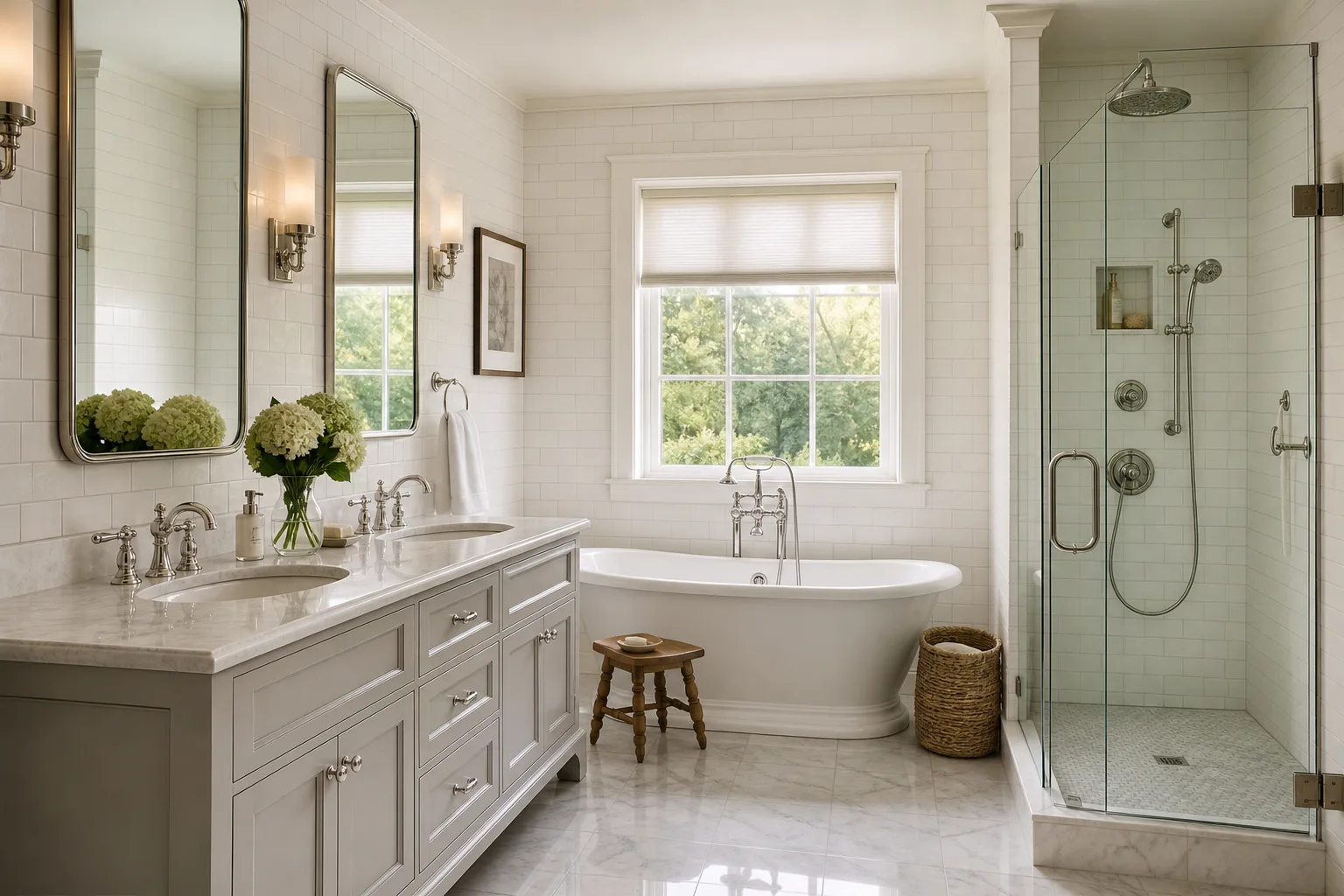
Polished chrome is the most durable finish for bathroom fixtures in terms of resistance to corrosion and surface damage. It is also the most unforgiving in terms of visible water spots and mineral deposits. Hard water deposits on polished chrome become visible within hours of the fixture drying. Cleaning chrome with most standard bathroom cleaners risks micro-scratching the finish over time. The maintenance routine for polished chrome in hard-water conditions involves either daily drying or periodic descaling, with compatible, non-abrasive cleaning products.
Matte black fixture finishes have become common in renovations over the past decade and have a maintenance profile that surprises many homeowners. The matte surface shows mineral deposits differently from polished chrome: the deposits appear as white or gray spots against the dark matte field rather than streaks on a reflective surface. These deposits are equally visible but require different cleaning. Most matte black finishes are PVD-coated and should not be cleaned with abrasive compounds or high-concentration acids. The deposits require gentle, targeted treatment.
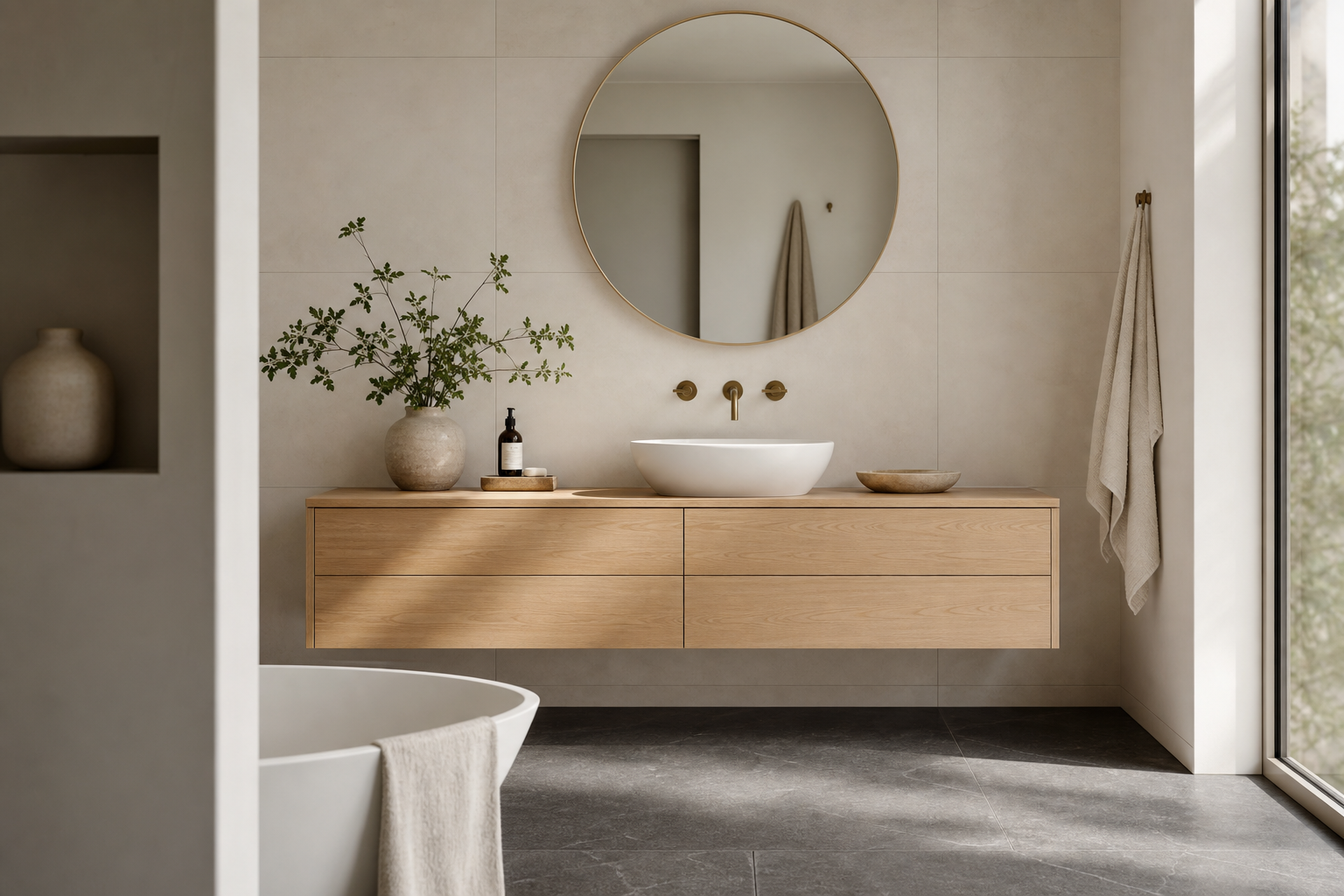
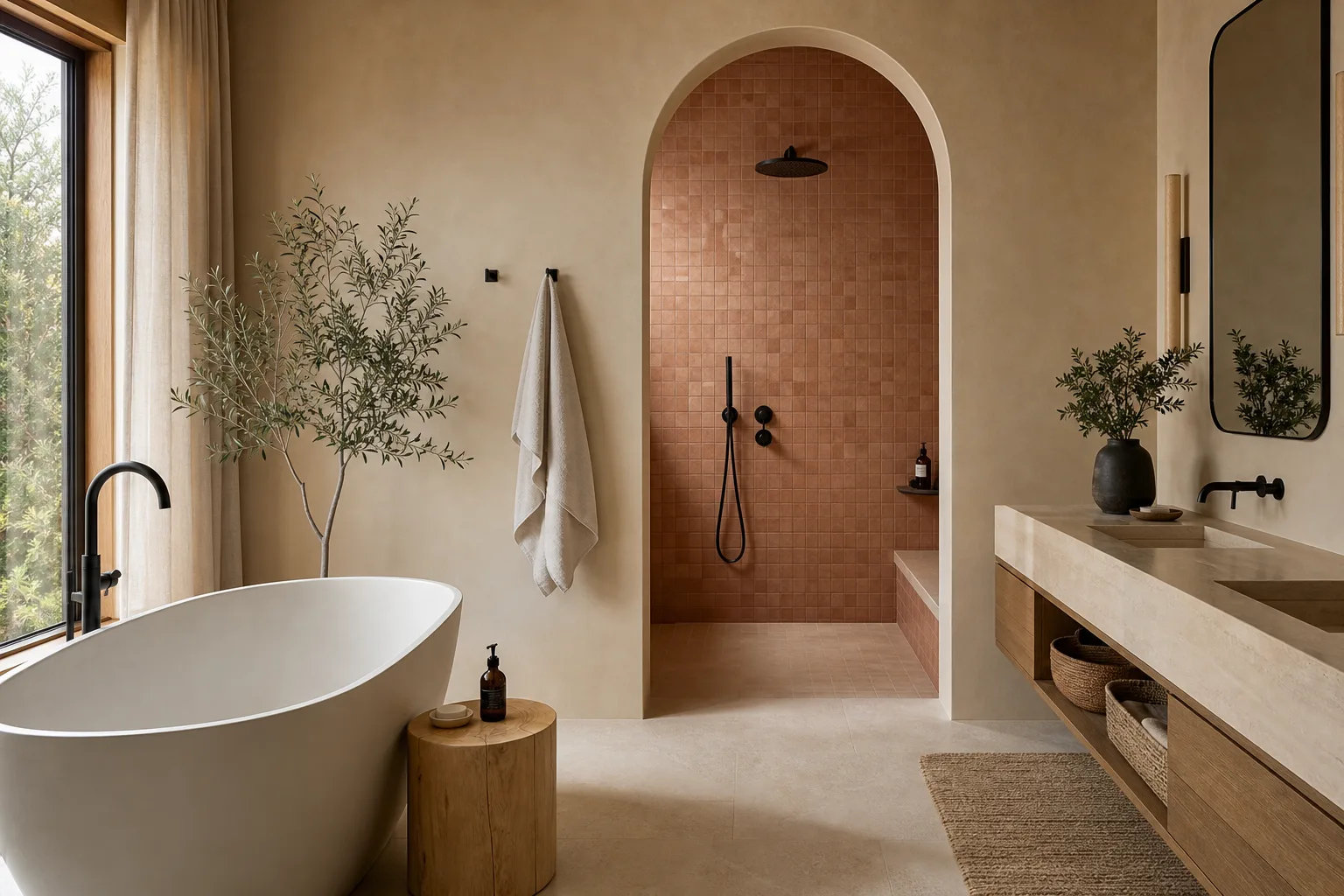
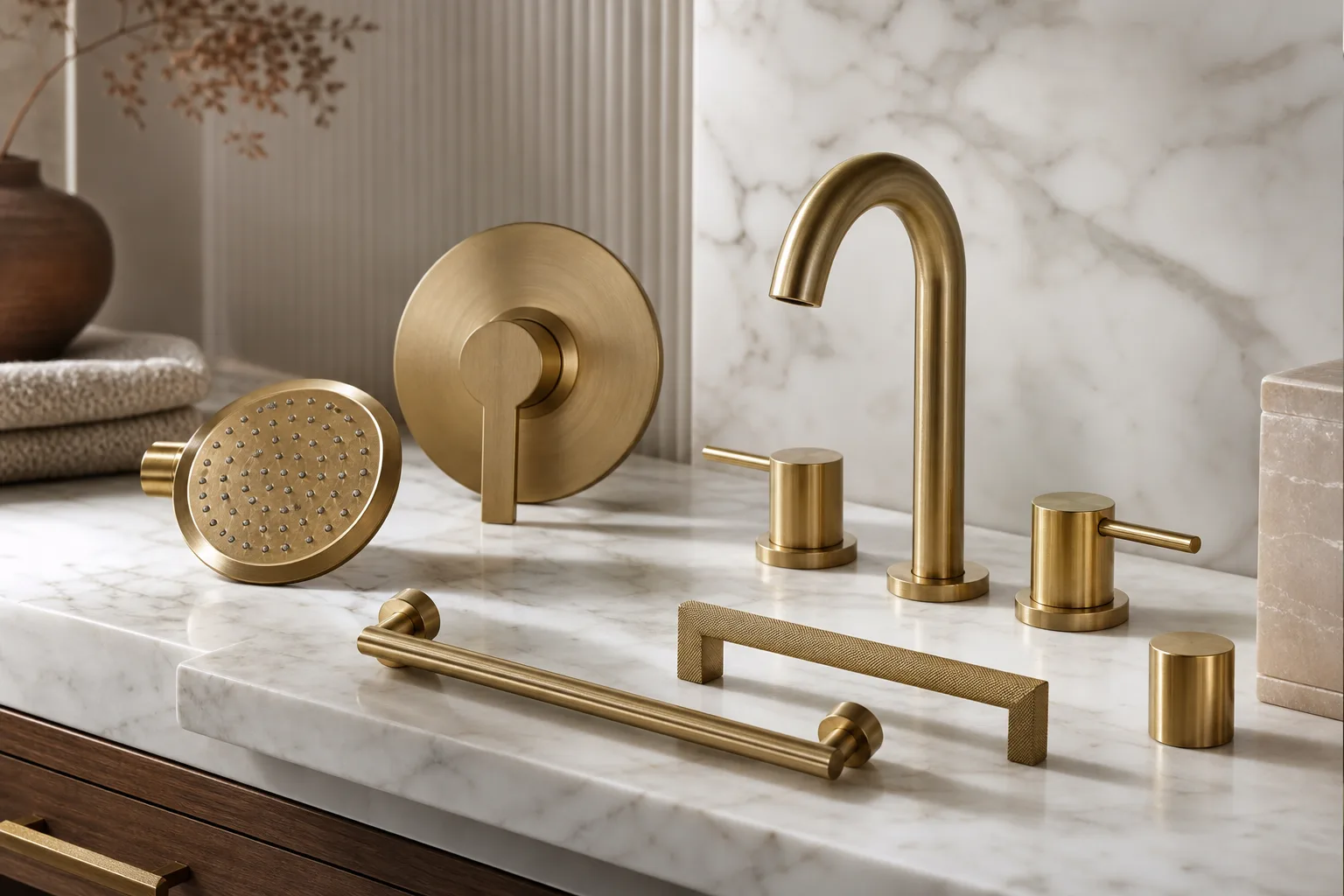
Unlacquered brass is a finish for homeowners who want a living surface. Unlacquered brass oxidizes and develops a patina over time; the rate and character of that patina depend on the water chemistry and the household's cleaning habits. Brass that is regularly handled develops a different patina than brass that is not. Some homeowners find the result beautiful. Others find it difficult to predict and control. The maintenance relationship with unlacquered brass is ongoing and active; the fixture is not a fixture that can be ignored and remain presentable.
Lacquered and PVD-coated metal finishes, which include most production fixtures in the market, require less active management but are subject to gradual coating degradation. PVD finishes are durable but not indestructible; abrasive cleaning accelerates wear. Over ten years, a PVD-finished faucet in daily use will show some wear at the highest-contact points regardless of careful maintenance.
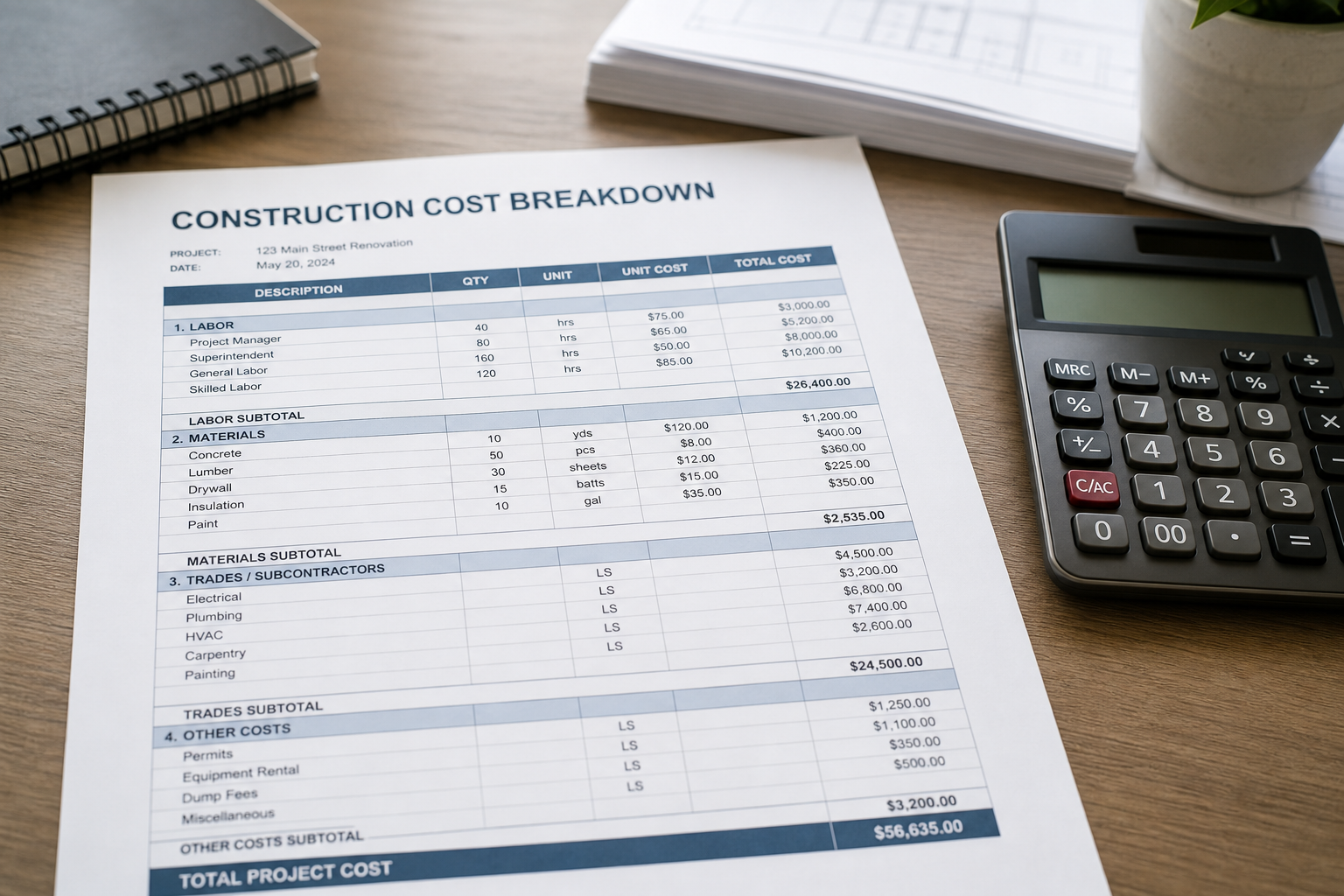
When clients compare material options, we show a ten-year ownership cost alongside the installation cost. A polished marble shower wall at installation may cost considerably more over a decade once sealing and professional restoration are factored in. That conversation changes some decisions.