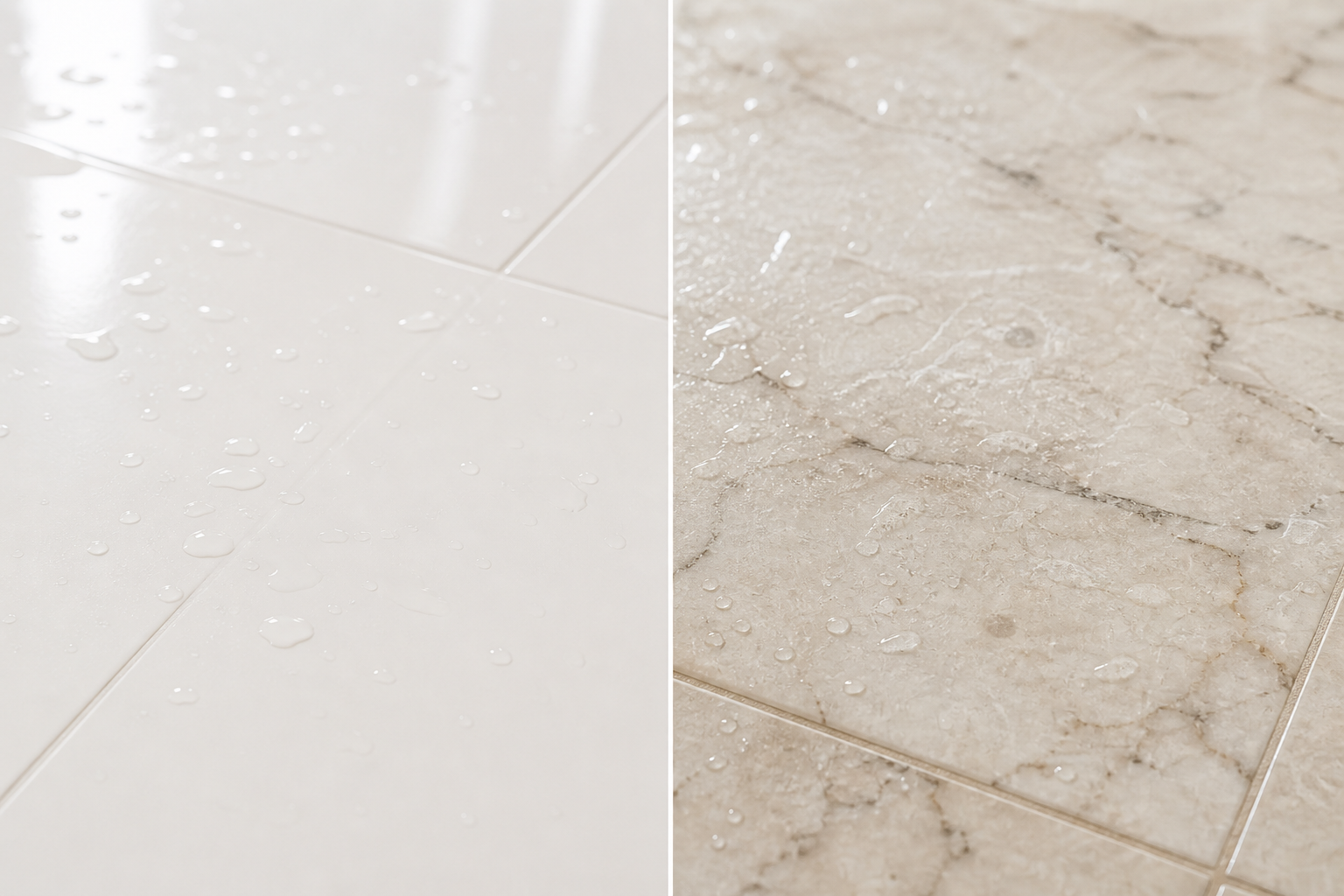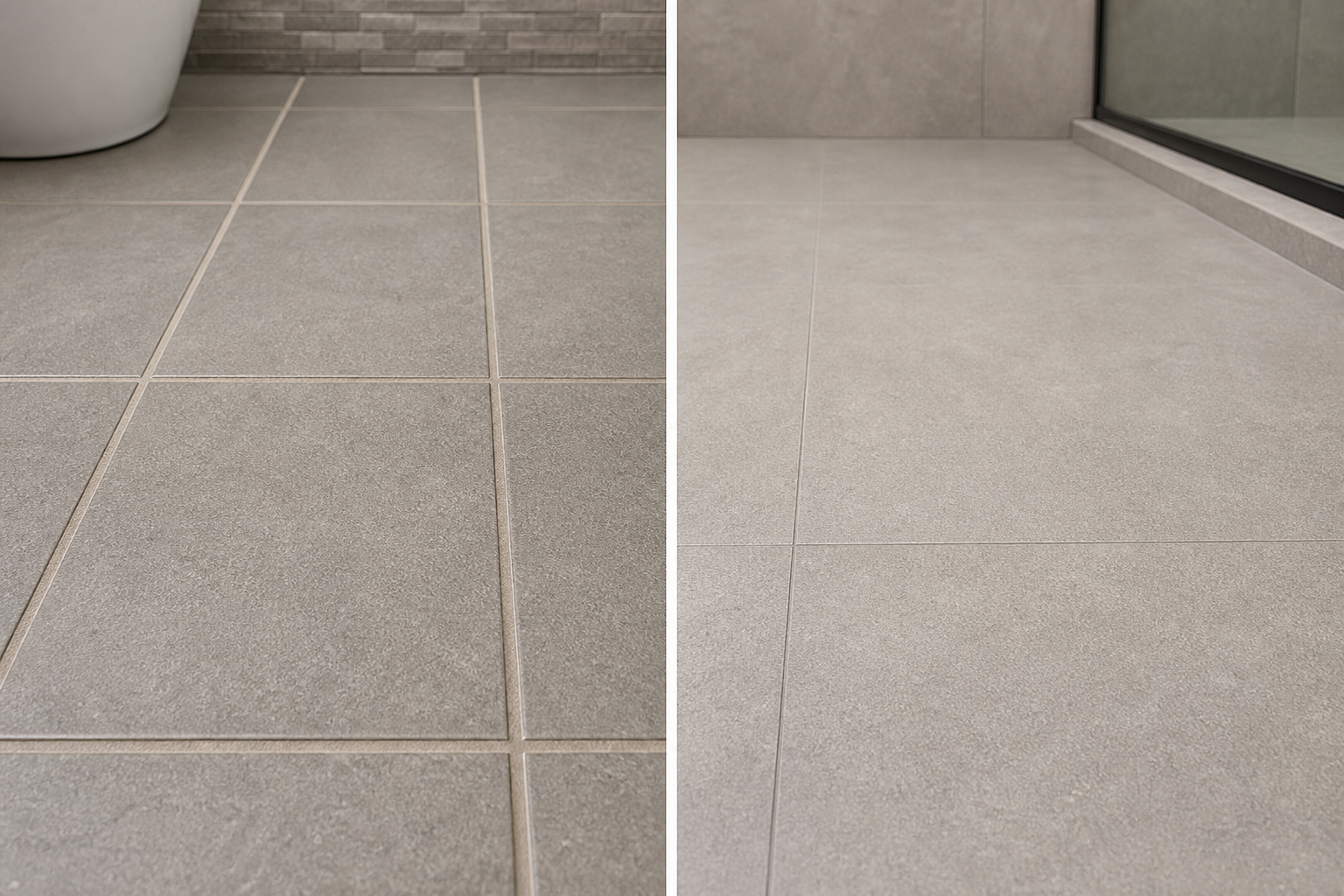
Epoxy grout is genuinely superior to cement-based grout in wet and high-traffic applications, and it is genuinely harder to install correctly. Both things are true at the same time, and which one matters more depends on where the grout is going and who is putting it there.
The marketing around epoxy grout has simplified the product into a straight upgrade: you get better performance, lower maintenance, and a longer life, so why would you use anything else? That framing skips the part where epoxy grout requires a level of installation precision that cement grout does not, sets faster than most installers are comfortable with, and is nearly impossible to remove cleanly if something goes wrong during application. It is a better product in the right application, installed by someone who has done it before. In the wrong application or on a project without the right labor, it is an expensive way to create a difficult problem.
Understanding the real trade-off requires looking at what makes the two grout categories different at the material level, not just at the maintenance level.
What Epoxy Grout Actually Is
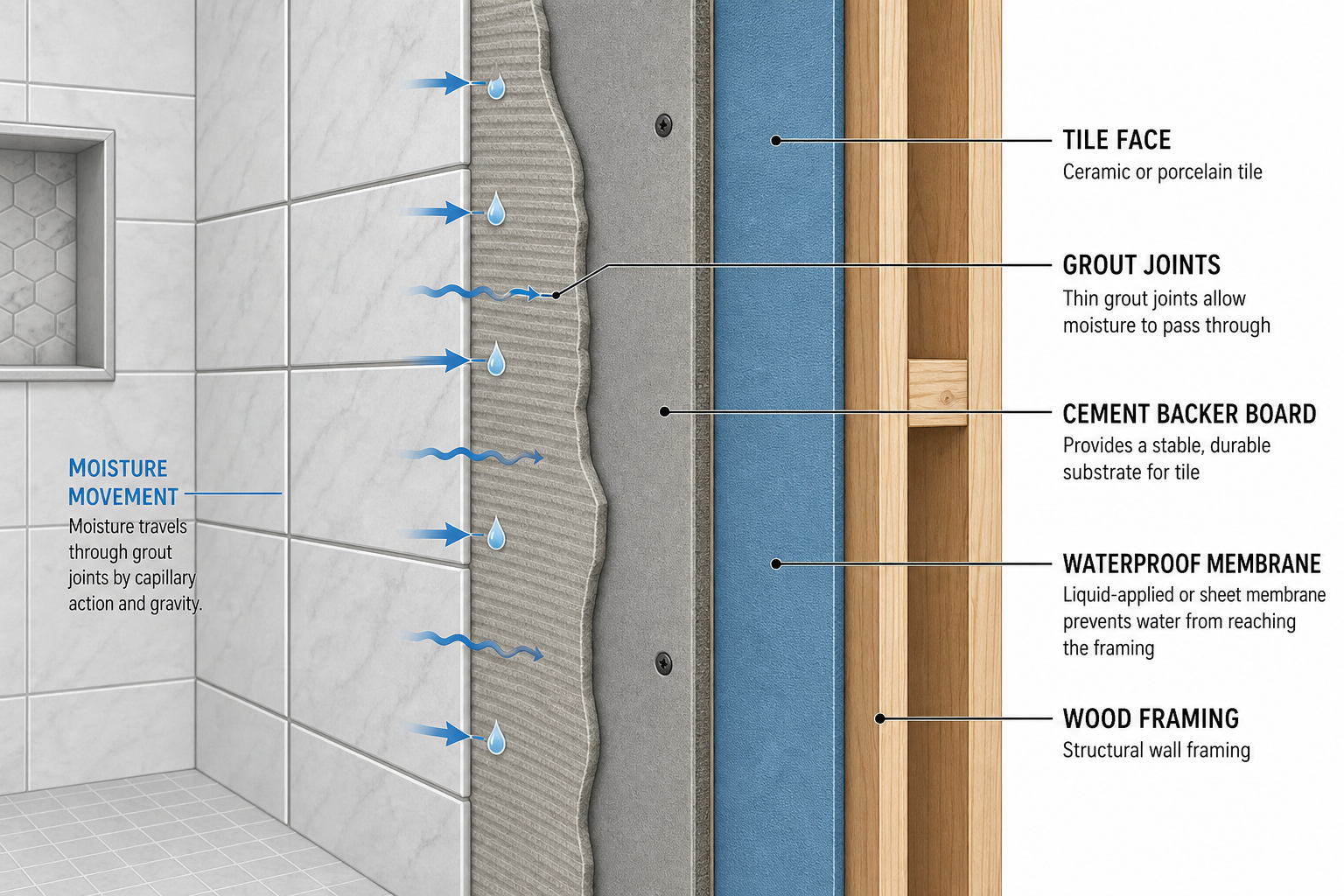
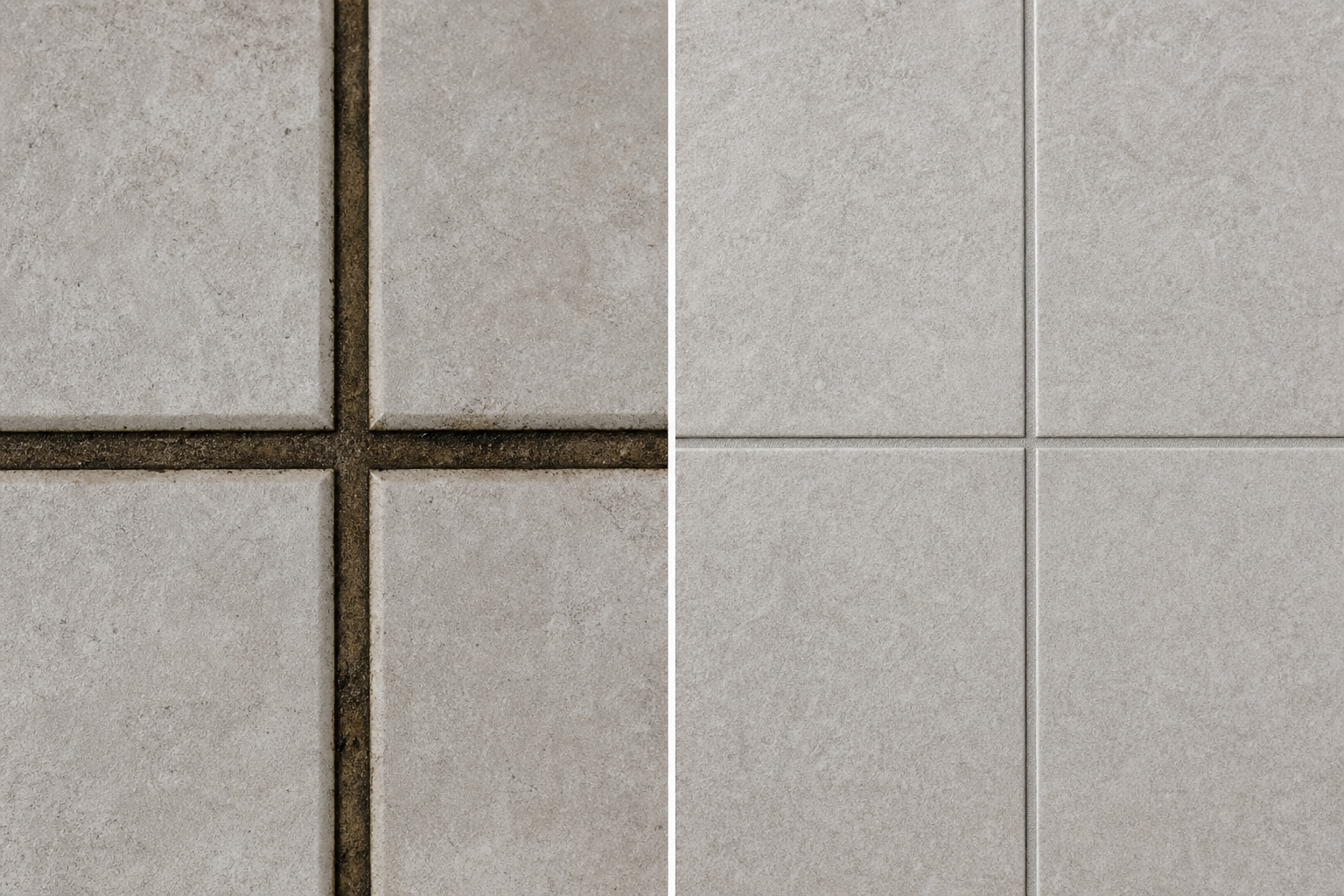
Cement-based grout is a Portland cement mixture with sand, pigment, and polymer additives. When it cures, it forms a solid matrix with micro-capillary pores running through it. Those pores are structural, not accidental. They are how the material releases water during curing. They are also how the material absorbs water, staining agents, and mineral deposits after installation. The porosity of cement grout is not a defect to be corrected. It is the physical nature of the material, and sealing it reduces absorption without eliminating it.
Epoxy grout replaces the cement binder entirely with a two-component resin system: an epoxy resin and a hardener that are mixed immediately before use. When the resin and hardener cure together, they form a cross-linked polymer matrix with near-zero porosity. There are no micro-capillary pores because the curing mechanism does not involve water evaporation. The material becomes chemically resistant to water, staining agents, and most household cleaners without any sealer applied. MAPEI's technical documentation on epoxy grout confirms that it is non-porous and highly resistant to water and stains, and that it does not usually require sealing.
That physical difference is the source of everything useful about epoxy grout: the stain resistance, the easy cleaning, the chemical resistance to the aggressive cleaners that sometimes get used in commercial environments, the durability in applications with standing water or high foot traffic. It also explains the limitations.
Why Installation Is Genuinely Harder
The same cross-linking chemistry that makes epoxy grout non-porous also makes its working time short and its mistakes permanent in a way that cement grout is not.
Cement grout has a working time measured in hours. You mix a batch, apply it, tool the joints, let it firm up, and clean the haze off the tile surface. If you get a bit of grout on a tile face and miss it during cleanup, a slightly damp sponge later in the day will still remove it. If you grout a section and find the color wrong or the joint inconsistent, you can often remove it with a grout saw and regrout before the installation is otherwise done.
Epoxy grout has a working time measured in minutes in warm conditions. Once the two components are mixed, the clock is running. Installers must work in small sections, moving quickly through application and cleanup before the material passes the point of easy removal. If epoxy residue is allowed to cure on the tile surface, it does not come off with water. It does not come off easily with conventional grout haze remover. What is left is a cloudy, chemical-bonded film on the tile that requires aggressive intervention to remove without damaging the tile face. RUBI's technical documentation on epoxy grout notes that the limited working time makes it challenging for inexperienced installers and that working in sections with immediate cleanup is essential to avoiding surface haze.
The section-by-section approach is not a stylistic preference. It is how you stay ahead of the cure time. An installer who has grouted with cement for fifteen years and switches to epoxy without adjusting their workflow is working against a material that will not cooperate with the old rhythm. This is why experienced tile setters who have done the work before produce very different results than those doing it for the first time, and why epoxy grout is not a product that rewards learning on a finished installation.
Temperature adds another variable. Epoxy grout sets faster in warm conditions and slower in cold ones. A shower floor grouted in summer is a different timing problem than the same floor grouted in winter. An installer who has only done epoxy work in one season may be surprised by how much faster or slower the working window closes in different conditions.
Where It Makes Sense and Where It Does Not
The applications where epoxy grout delivers clear performance advantages over cement are specific: shower floors that hold standing water regularly, commercial restrooms with high traffic and frequent mopping, food service environments where chemical cleaners are used routinely, swimming pool coping and underwater grout joints, and installations in which the visual expectation is a grout line that remains consistently colored over many years without periodic resealing.
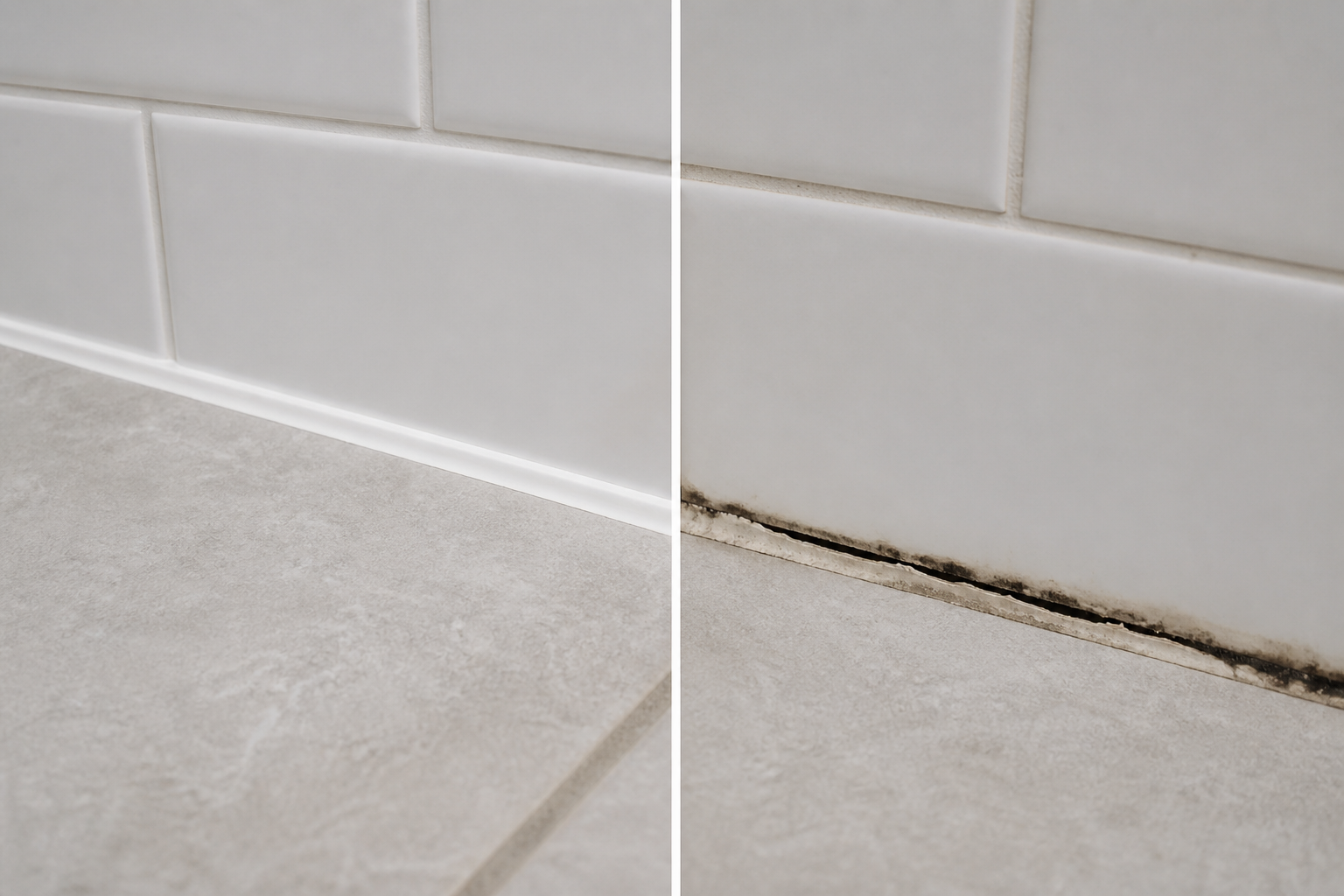
For a residential shower floor in a household with one or two users, a properly installed and periodically maintained cement grout performs adequately. It requires attention: sealing on a schedule, cleaning before stains set, replacing the caulk at changes of plane as it degrades. That attention is realistic for most homeowners. For a shower floor in a vacation rental, a household with multiple daily users, or an owner who wants to eliminate maintenance considerations entirely from the bathroom, the case for epoxy grout at the floor level is genuinely strong.
For shower walls, the calculus is different. Wall tile sees less standing water and less abrasive foot traffic than floor tile. The visual impact of slight grout discoloration on a wall is also different from discoloration on a floor, where it accumulates more visibly. High-quality modified cement grout with a periodic sealing schedule performs well on shower walls in most residential applications, and the installation tolerance for error is higher than on the floor.
For wall tile outside the shower, for backsplashes, for bathroom floor tile outside the wet zone, for accent tile on dry surfaces: cement grout is appropriate in almost all residential contexts, and specifying epoxy for those applications adds cost and installation complexity without a performance benefit that most homeowners will ever observe. A well-installed cement grout on a dry bathroom floor, sealed twice in its first year and resealed periodically thereafter, will perform without meaningful degradation for fifteen or twenty years. The investment in epoxy installation and labor for that application yields a return that does not match the added cost.
The Trade-Off Nobody Mentions: Repair
The maintenance advantage of epoxy grout is real. The repair disadvantage is equally real, and it comes up less often.
Cement grout can be removed with a grout saw and replaced in sections. The color match is not always perfect, but the repair is accessible to a reasonably skilled person with the right tools. A single cracked grout line in a tile installation can be repaired without disturbing the surrounding tile.
Epoxy grout is significantly harder to remove. The cured polymer matrix is resistant to the mechanical abrasion that removes cement grout efficiently, and the same chemical resistance that prevents staining also resists many of the solvents that would otherwise soften it. Removing epoxy grout from a tile installation requires more time, more aggressive tooling, and greater care not to damage the tile edges in the process. If an epoxy-grouted shower floor develops a crack in a joint after ten years, the repair is a more involved project than the equivalent repair in cement grout.
This is not a reason to avoid epoxy grout in the right application. It is a reason to understand what you are specifying before you specify it. A homeowner who chooses epoxy grout for low maintenance and then needs a repair ten years later has a more complicated situation than one who chose cement grout with the same long-term intention.
The Integrity Kitchen Design technical comparison of epoxy versus cement grout for showers makes this explicit: choose cement-based when ease of repair matters and accept the trade-off of routine sealing. Choose epoxy when long-term stain resistance and low maintenance are priorities and accept that future repairs will require more skilled labor and more effort.
Color Consistency Over Time
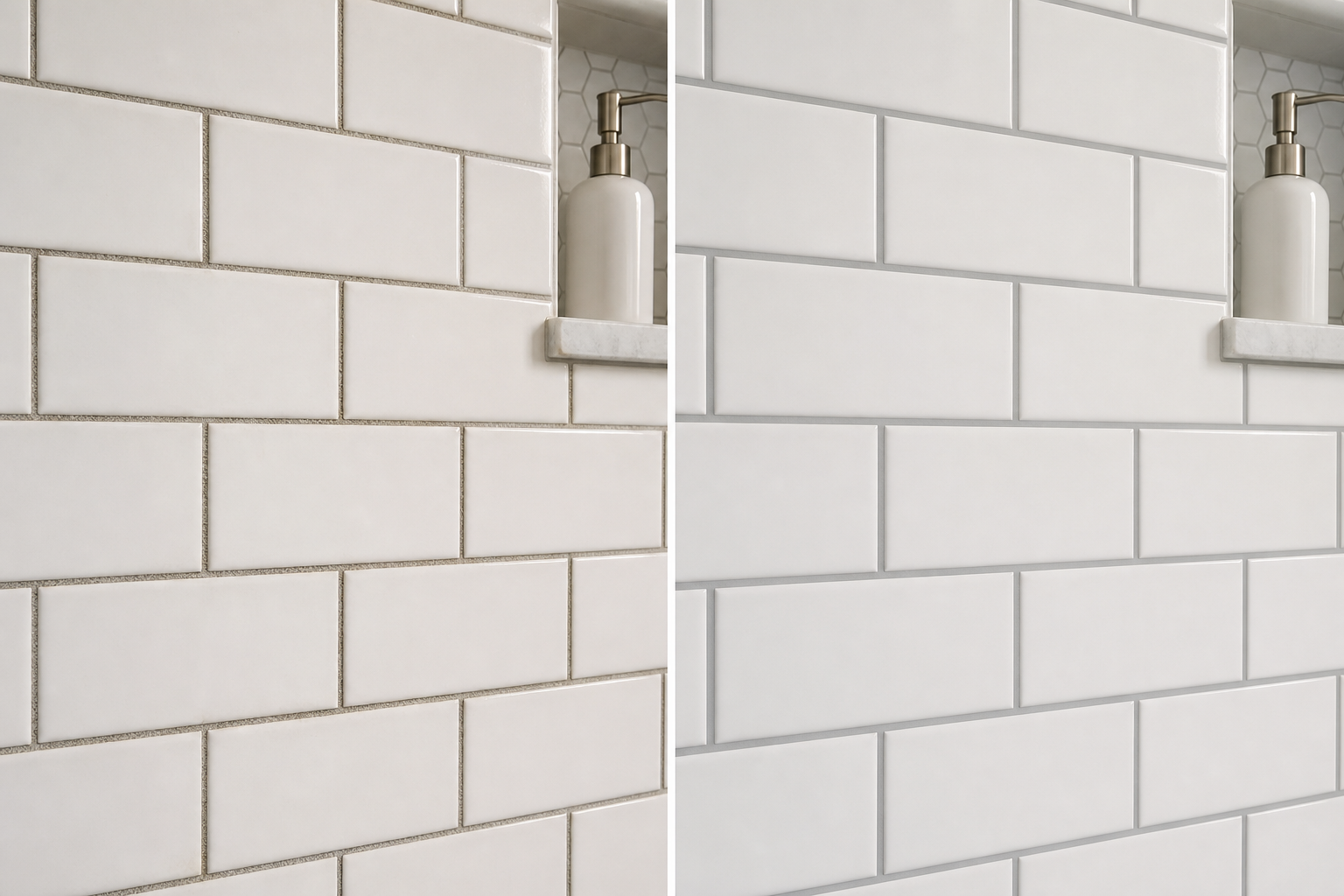
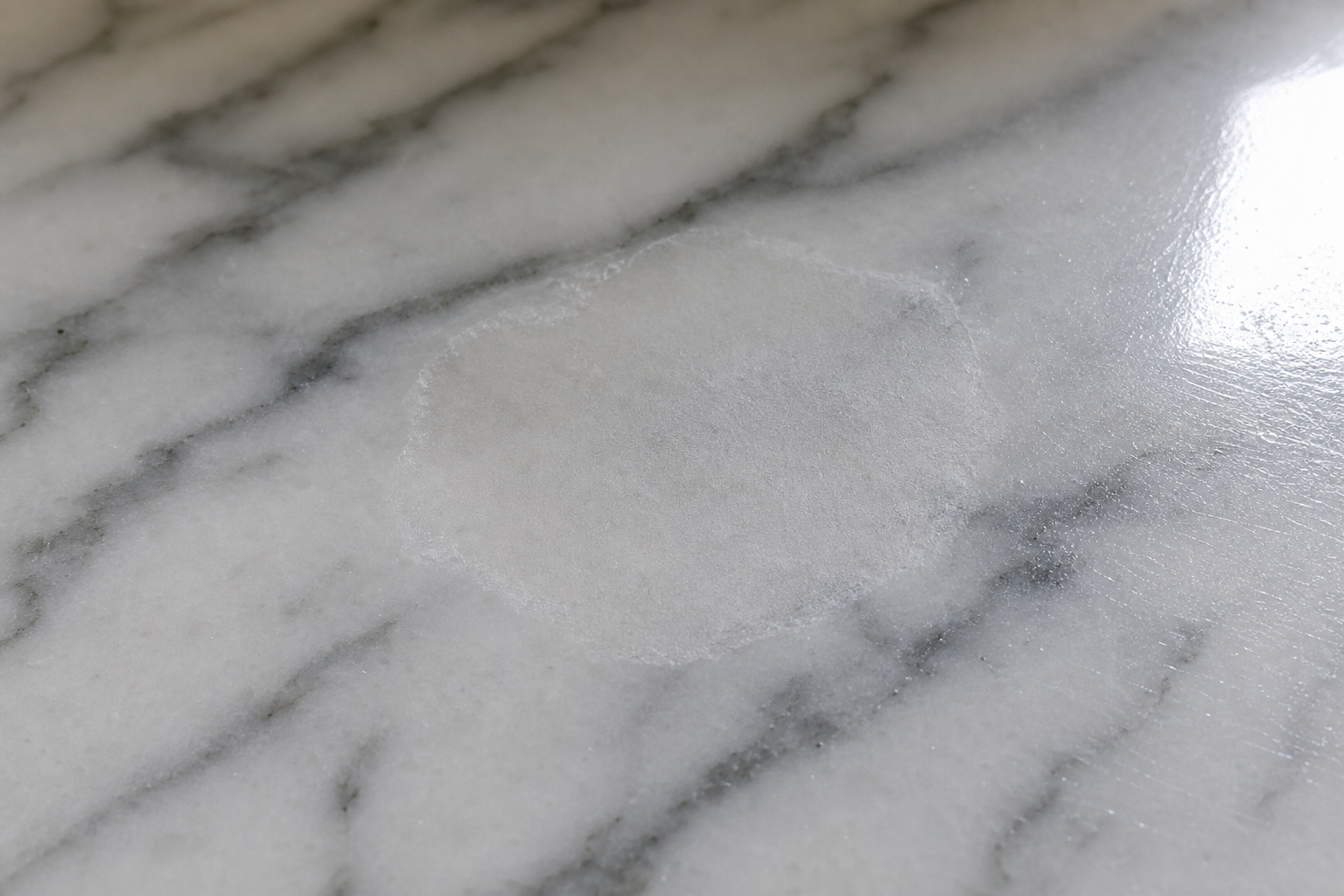
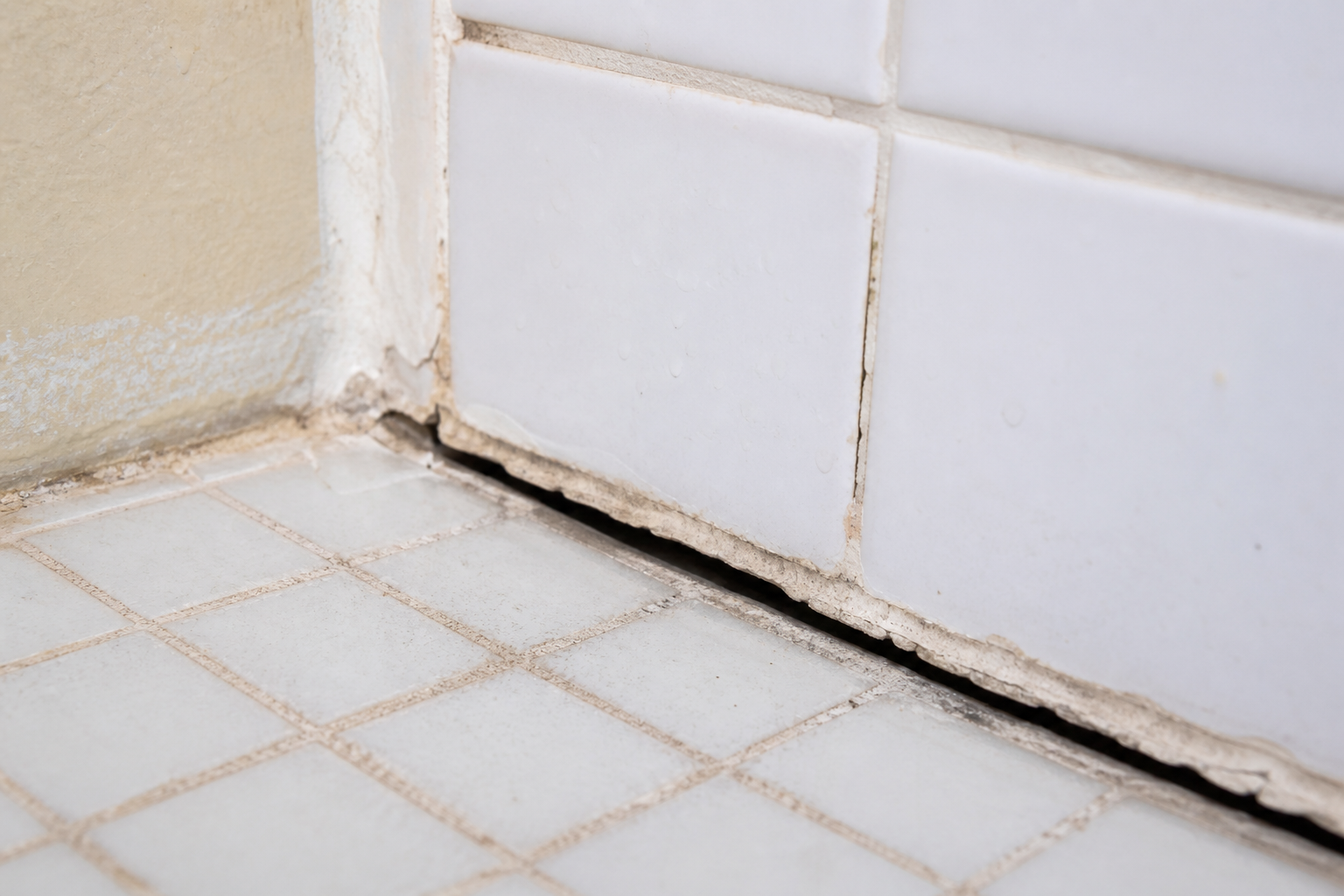
One performance advantage of epoxy grout that rarely appears in the maintenance conversation is color consistency. Cement grout is subject to efflorescence, the migration of mineral salts to the surface as water moves through the grout matrix and evaporates. Efflorescence shows as a white or gray haze on the grout surface that makes colored grout look faded or blotchy. It is particularly noticeable on darker grout colors, and it is a recurring problem in wet applications where the grout is frequently saturated and dried.
Because epoxy grout is non-porous, water does not migrate through the grout matrix. Efflorescence cannot develop. The color you see on the day of installation is the color you see in year ten, assuming normal cleaning. For installations where a consistent grout color is part of the design intention, particularly in darker palette applications where cement grout efflorescence would be visually prominent, this is a real performance difference that justifies the added cost and installation complexity.
What to Do With Textured Tile
There is one application where epoxy grout creates a problem that cement grout does not: textured, rough-faced, or natural stone tile with an uneven surface.
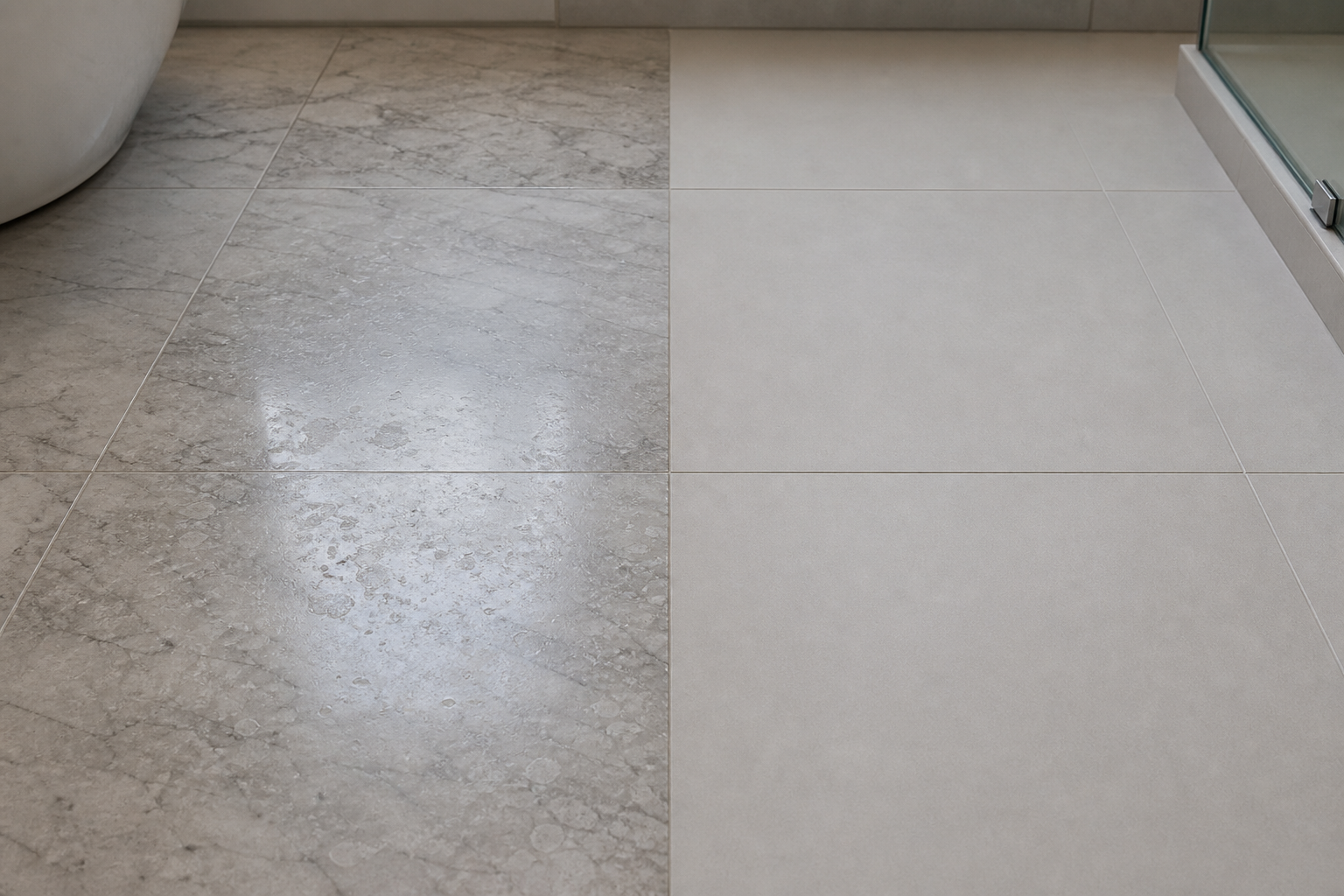
The grout haze that forms during epoxy installation comes off flat, smooth tile with relative ease if you get to it in time. On a textured tile surface with surface relief, the uncured epoxy residue can settle into the texture and begin to cure before cleanup reaches it. The result is trapped epoxy in the surface texture of the tile that is very difficult to remove without damaging the tile. This is a failure mode that does not exist with cement grout, which cleans up with water regardless of how much texture the tile has.
If the installation includes handmade tile, natural stone with significant surface texture, or any tile where the face is not uniformly smooth, epoxy grout is a high-risk specification. The labor required to clean residue from a textured surface before it cures means working even faster and in even smaller sections, which increases the chance of a problem rather than reducing it.
We specify epoxy grout selectively: in commercial applications, in shower floors with frequent standing water, and for clients who have explicitly discussed the maintenance trade-off. We do not default to it as a premium upsell.