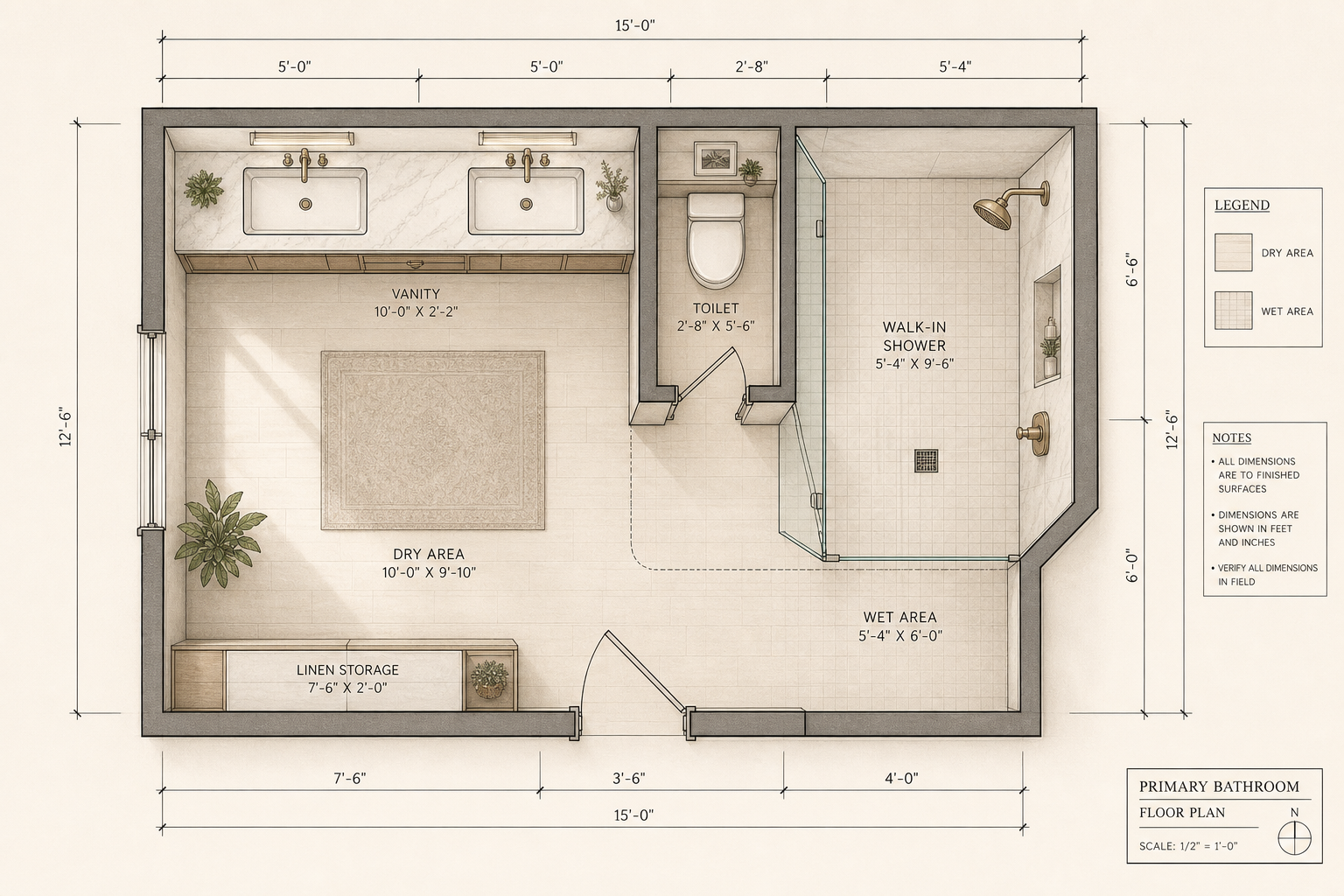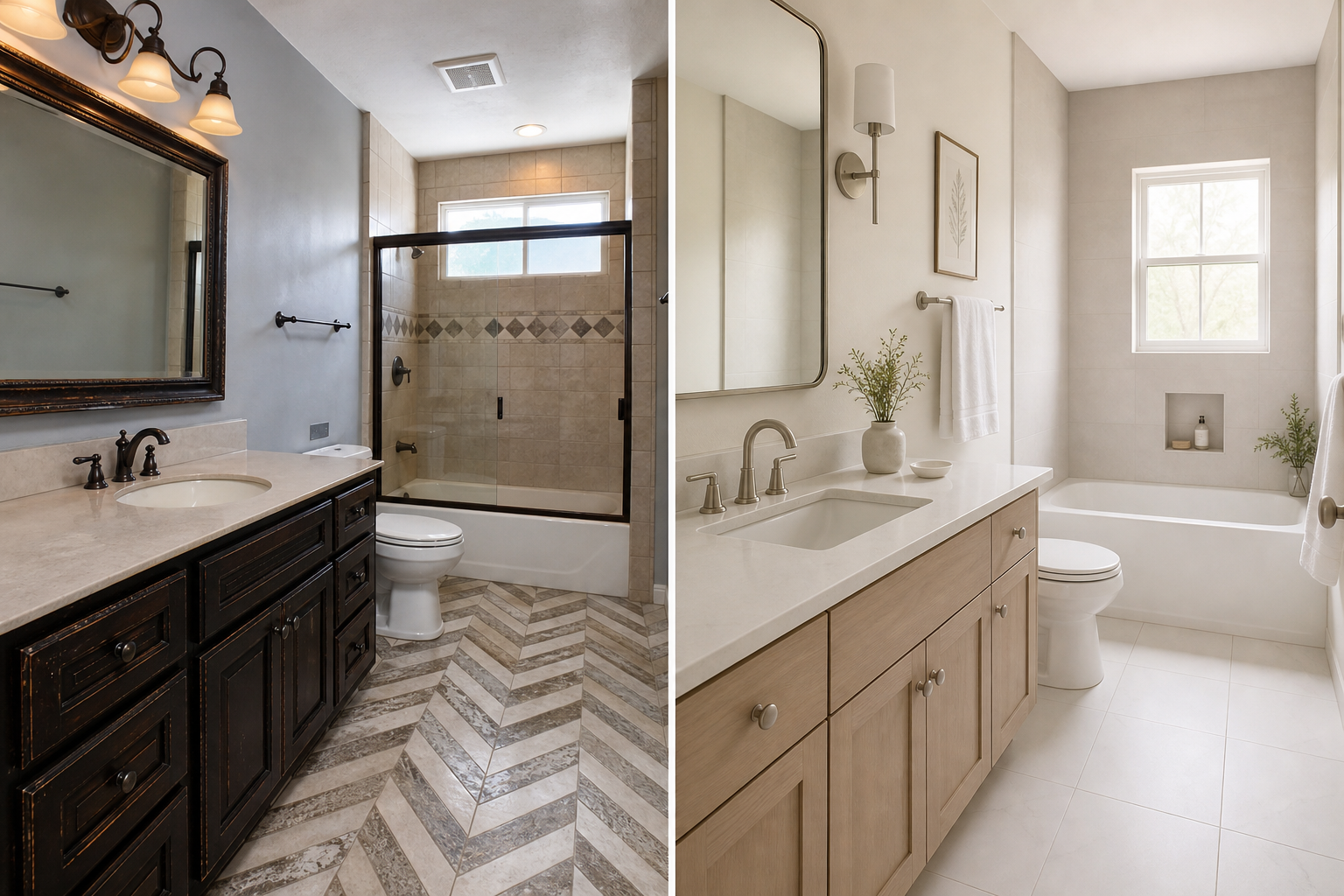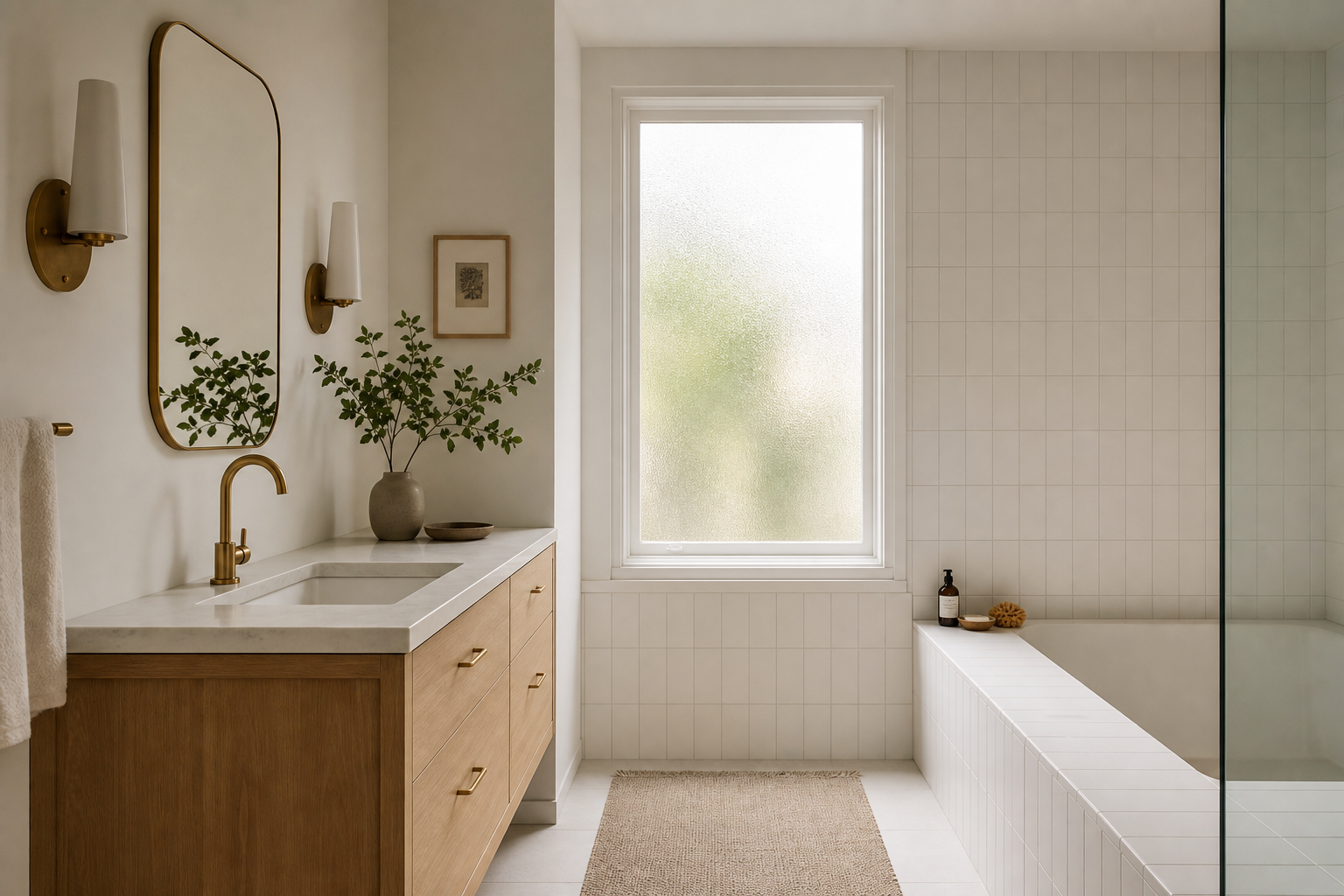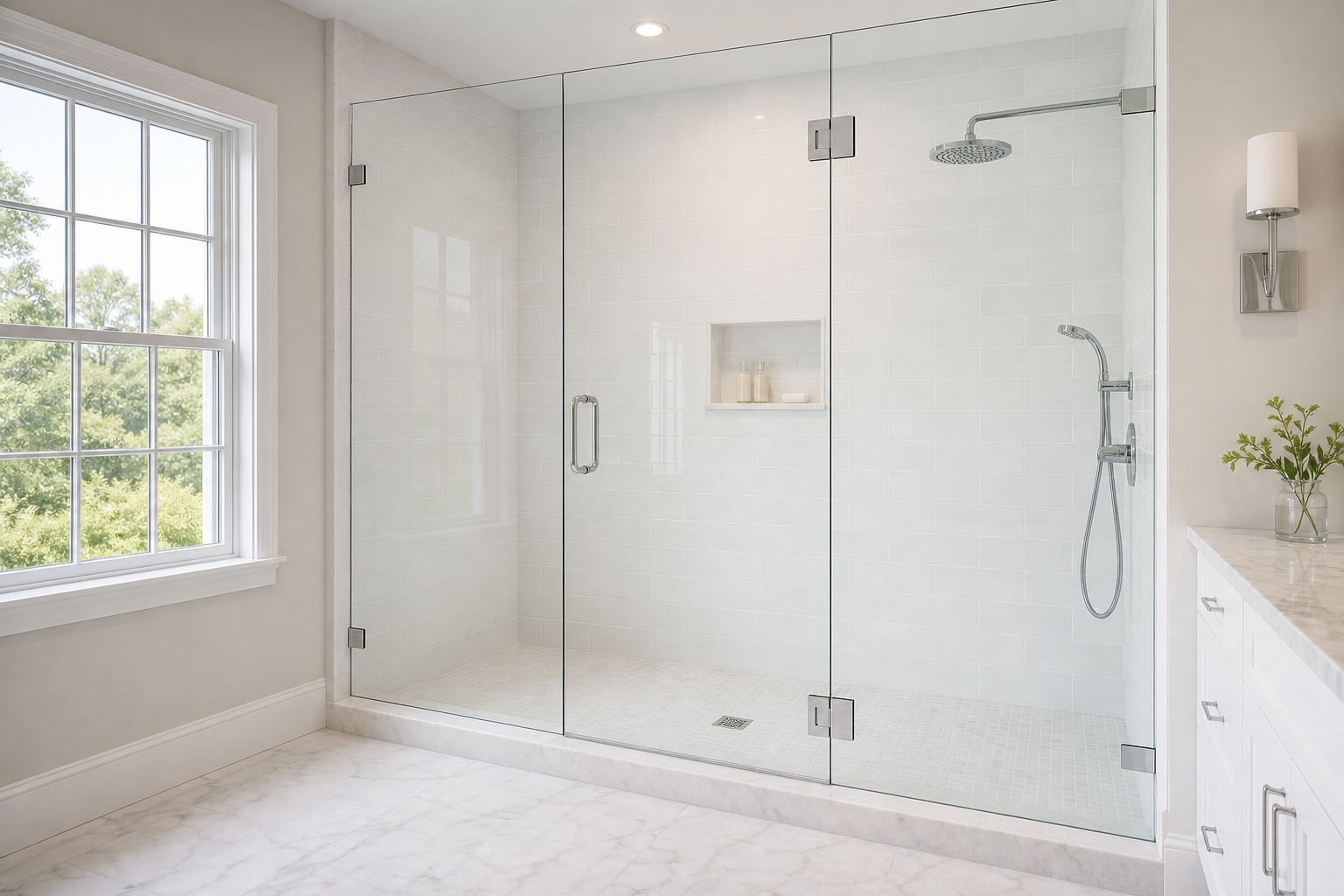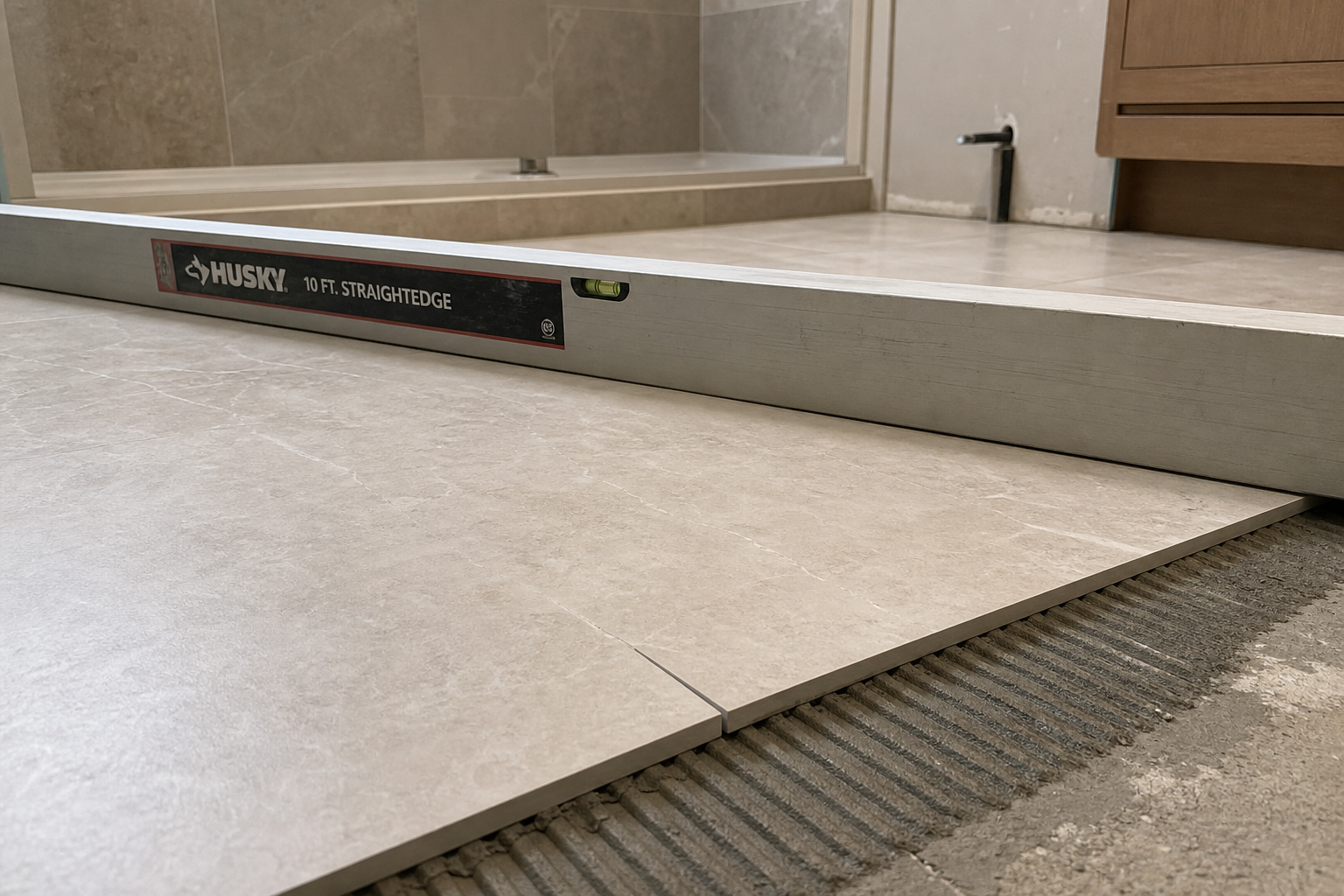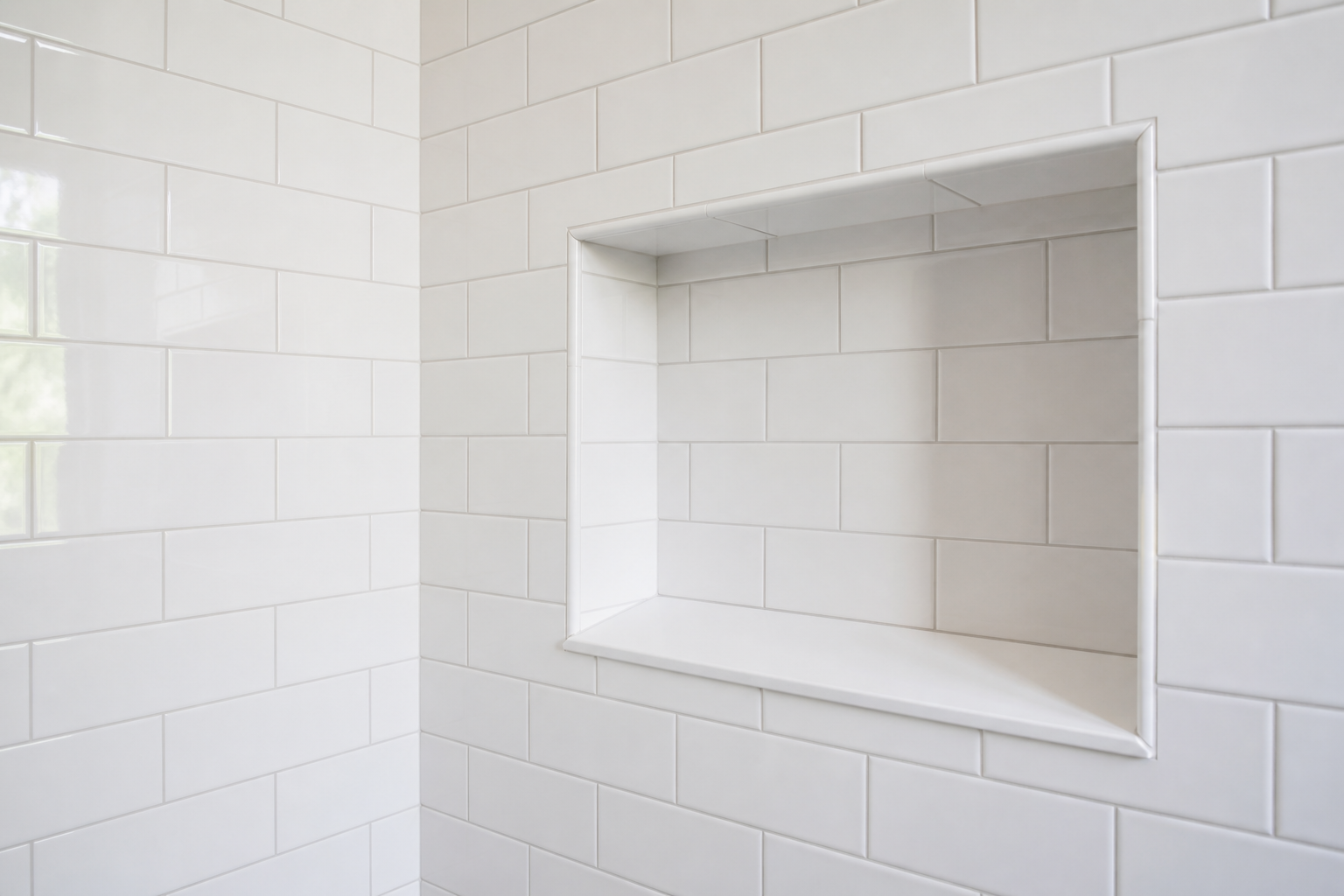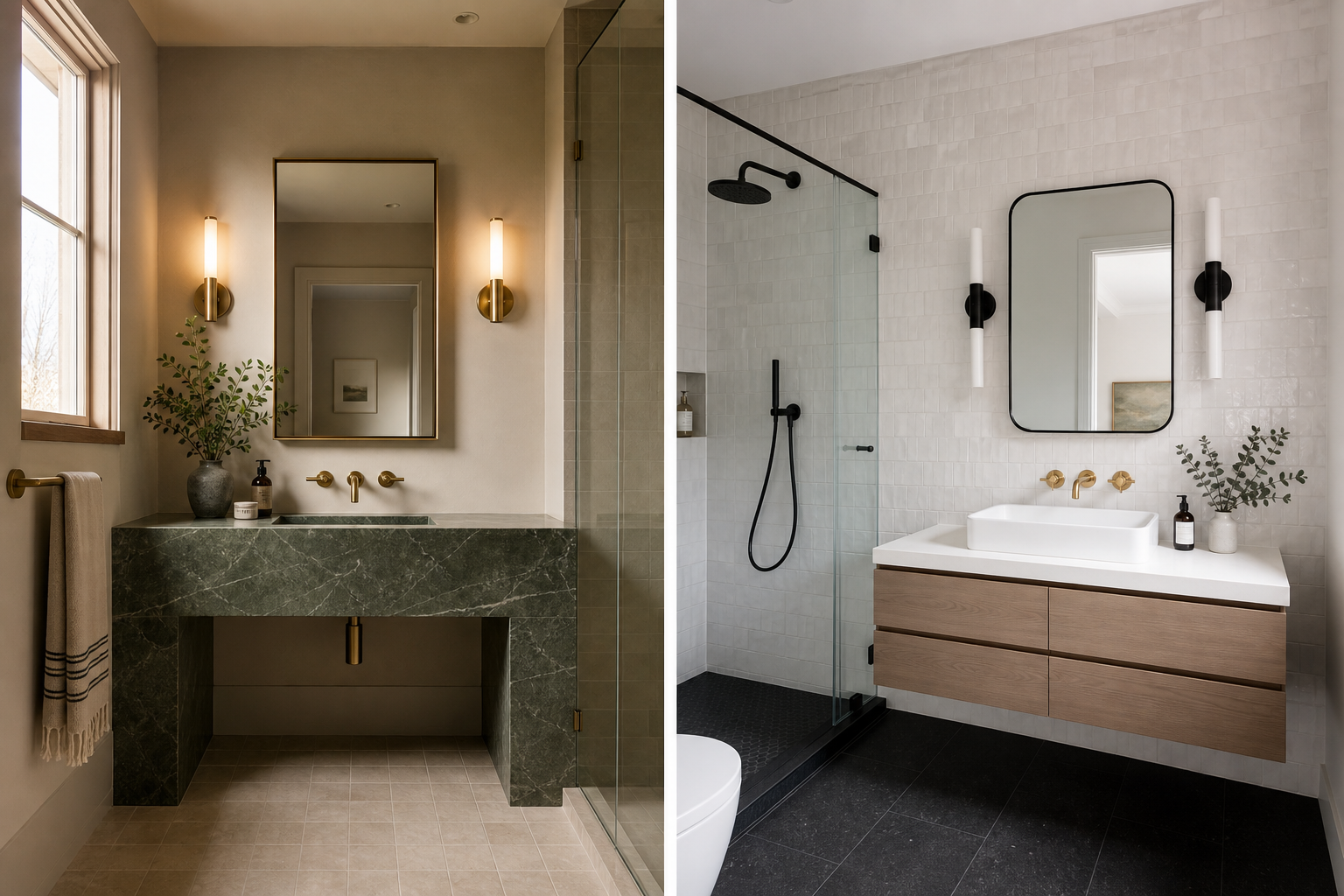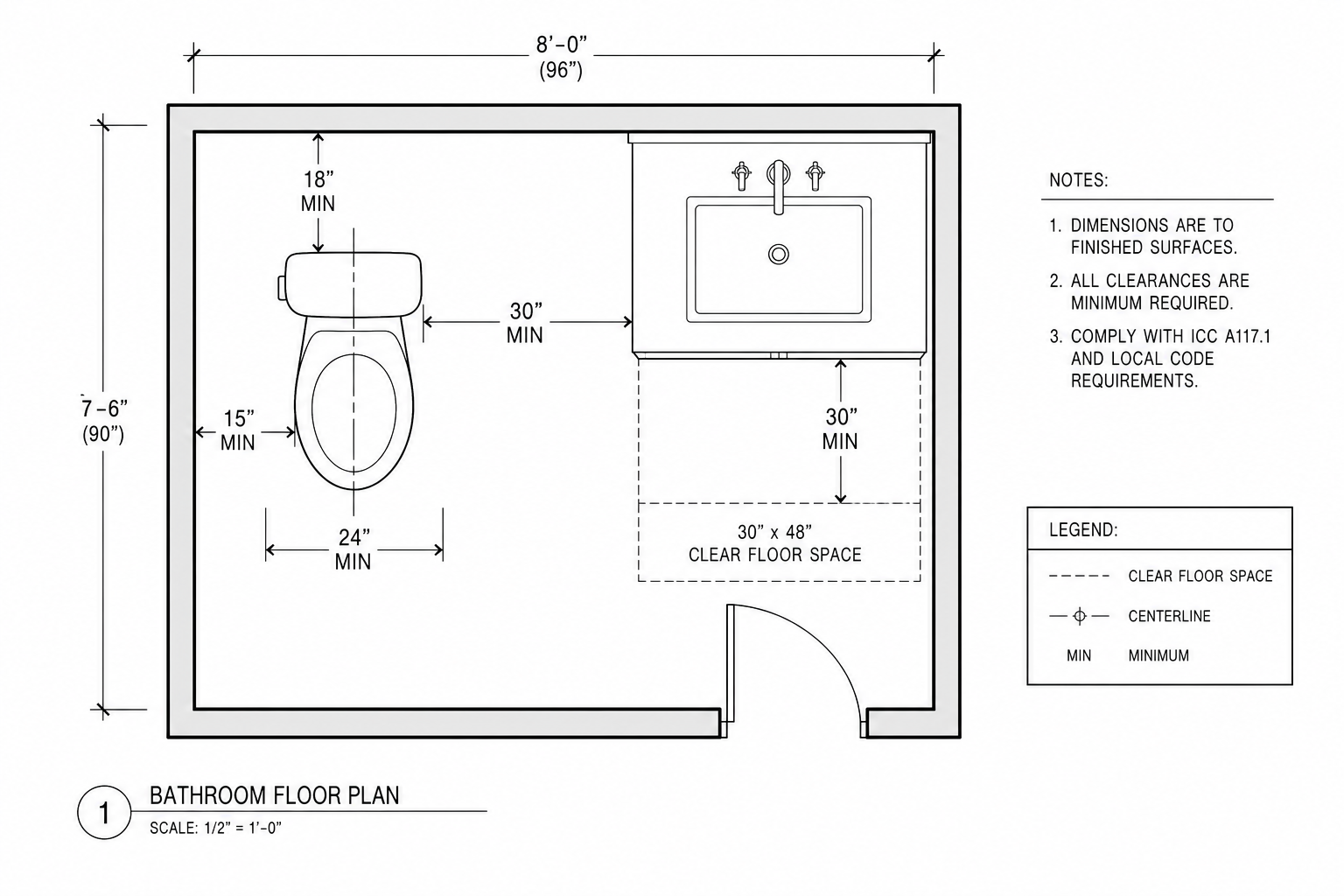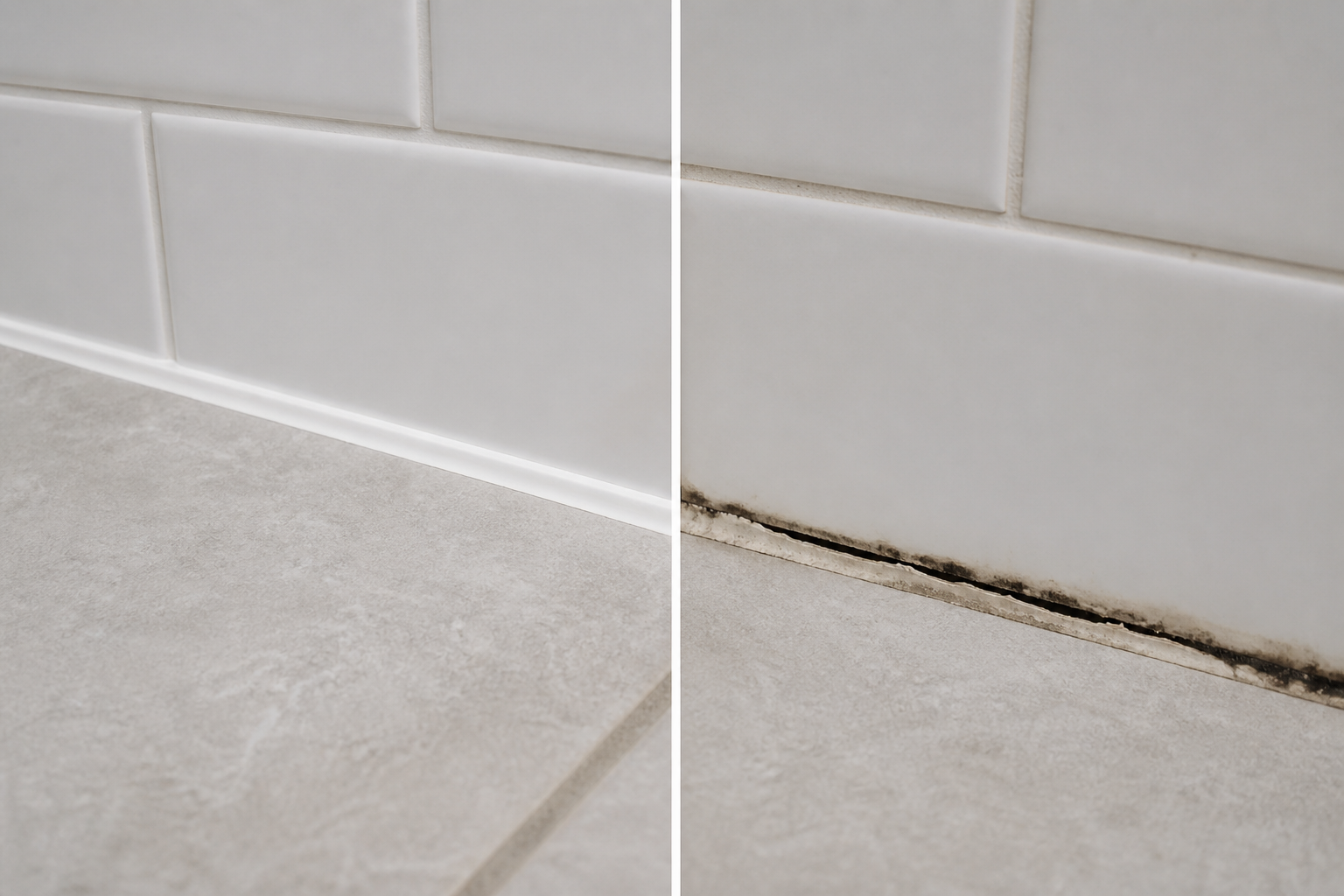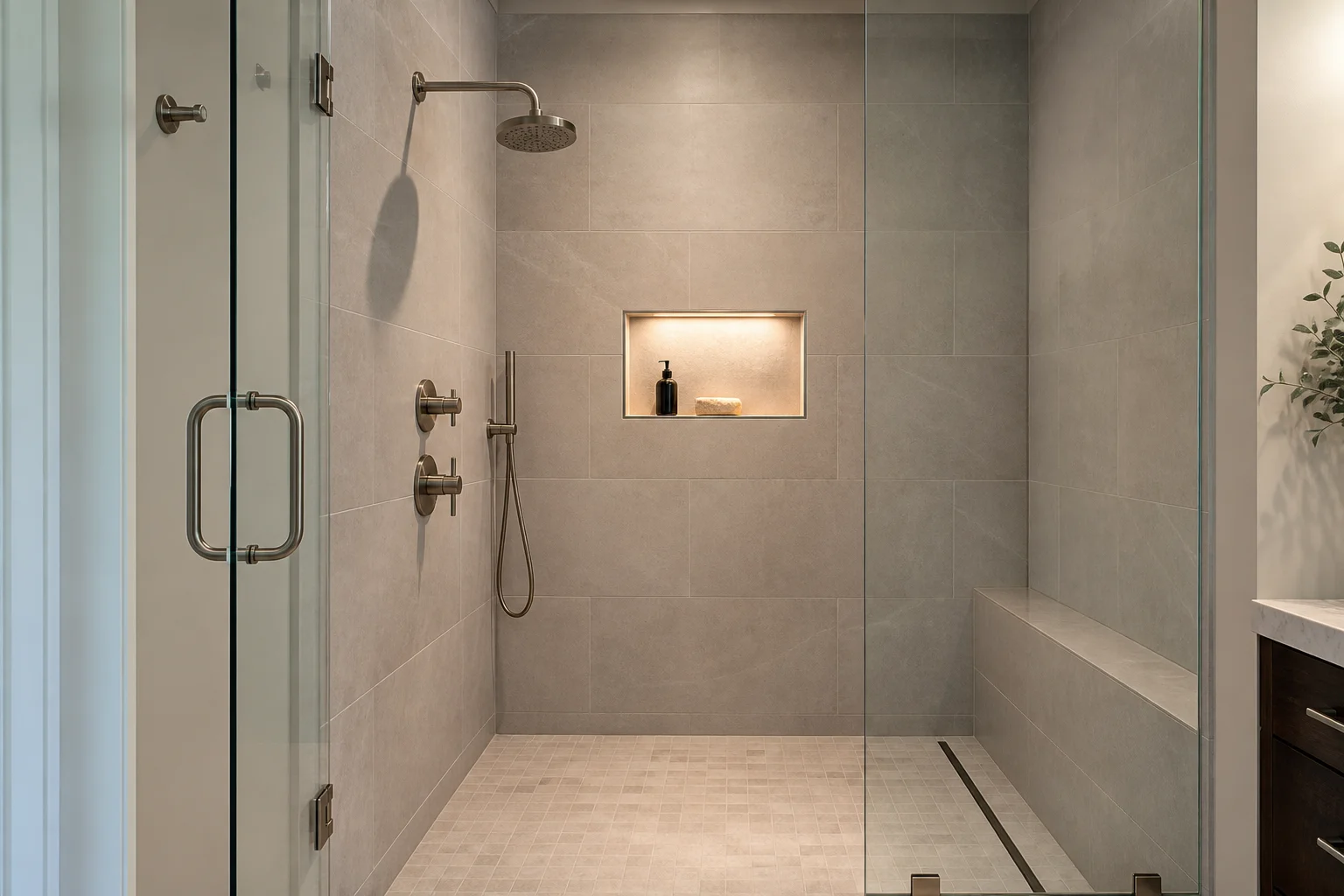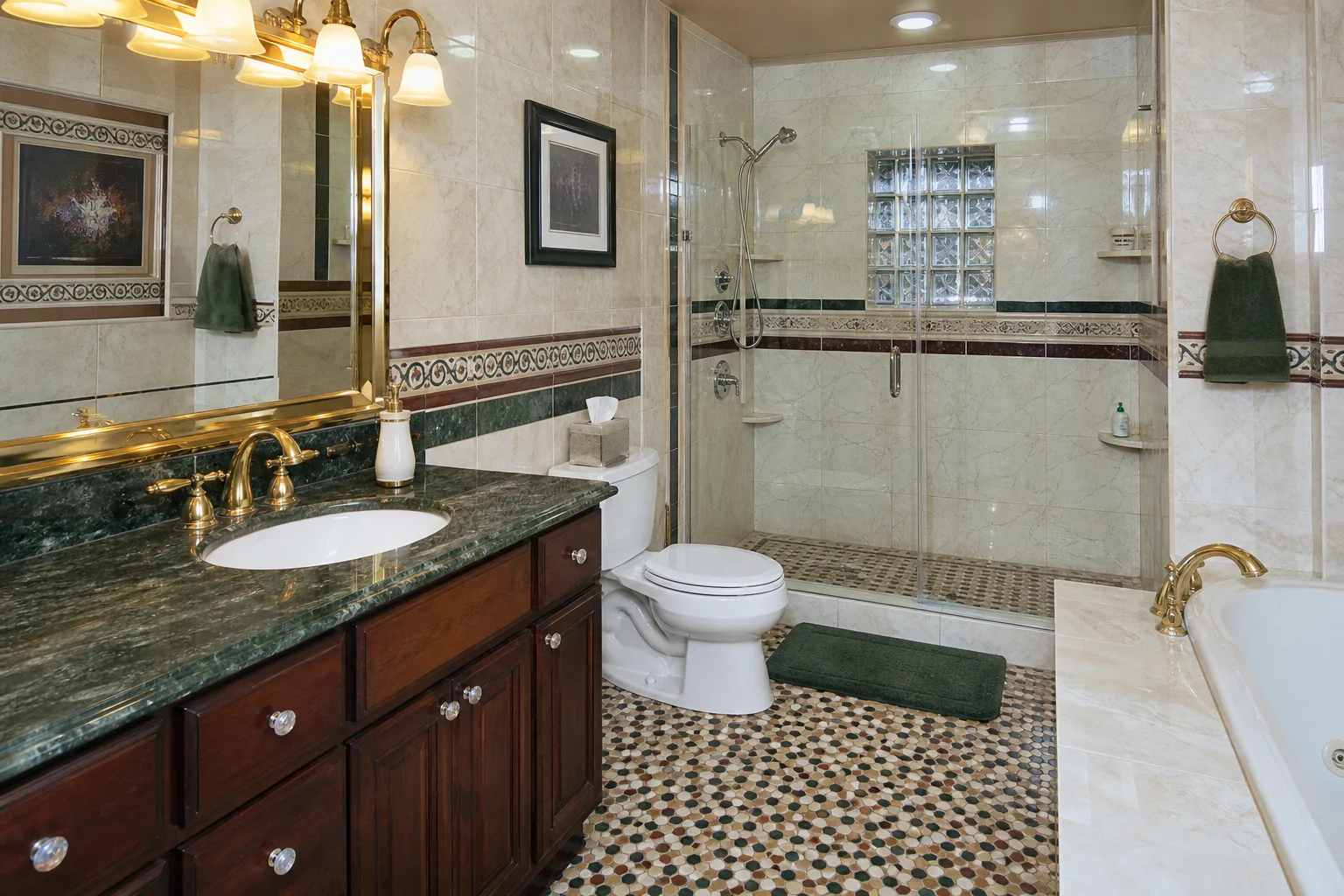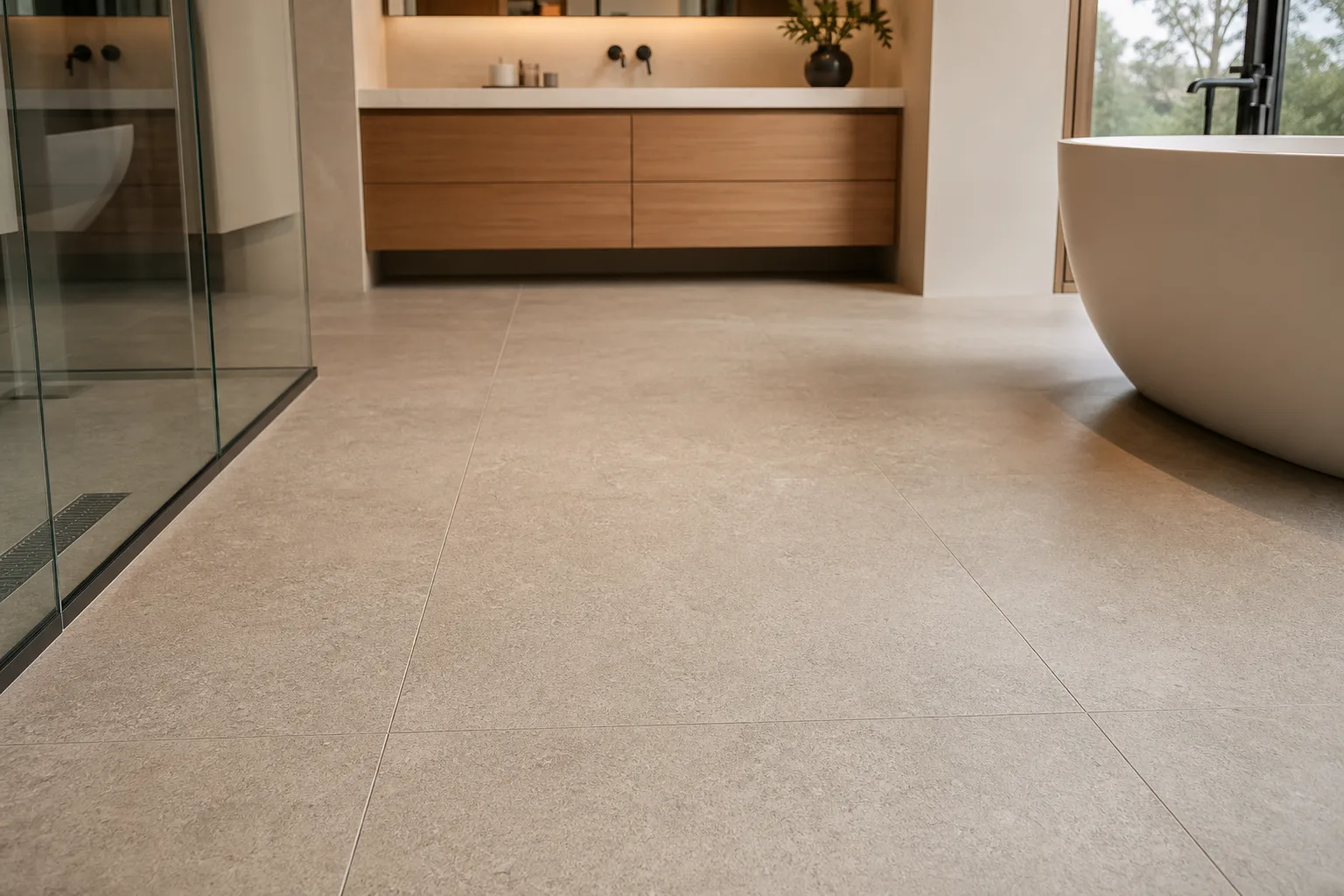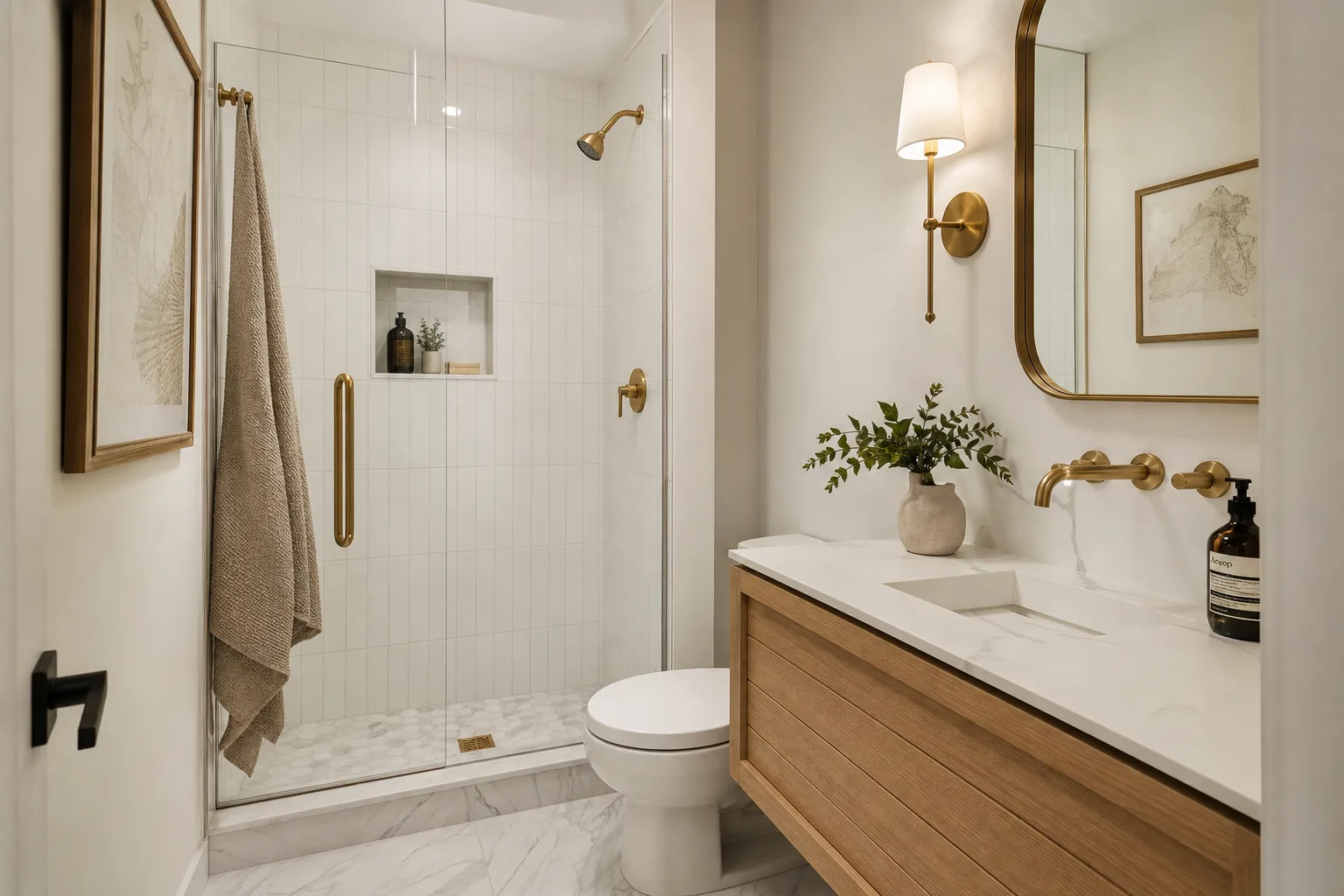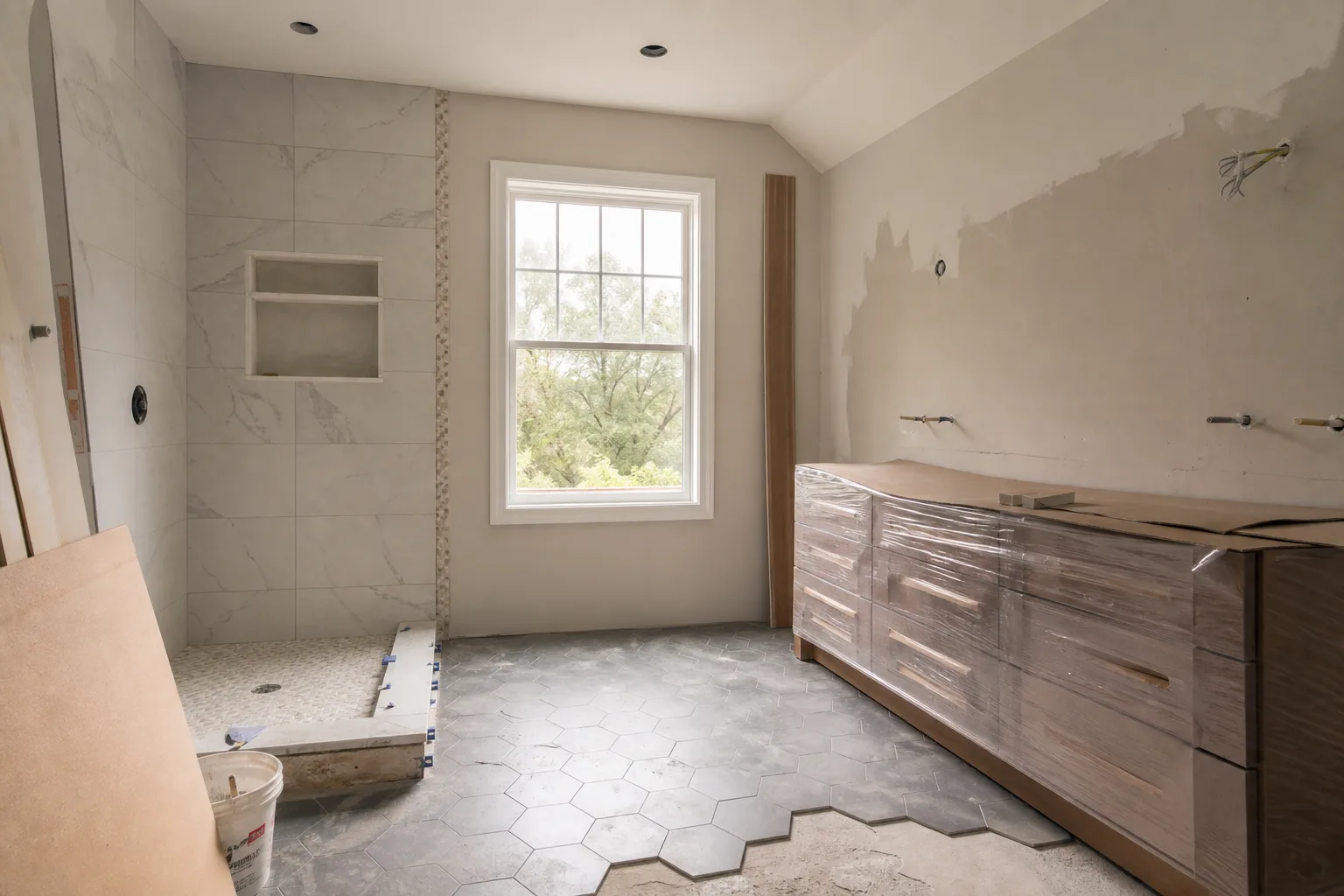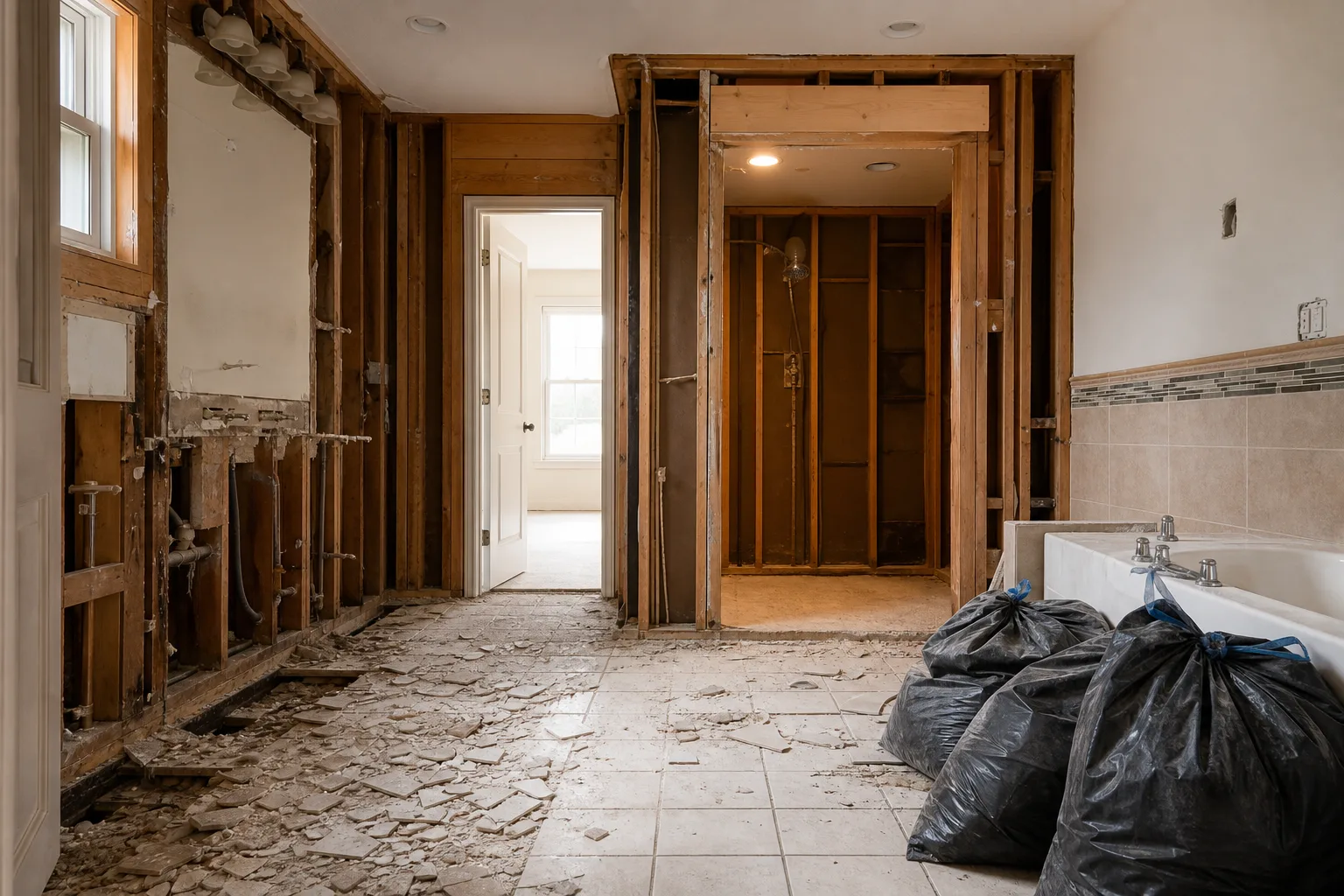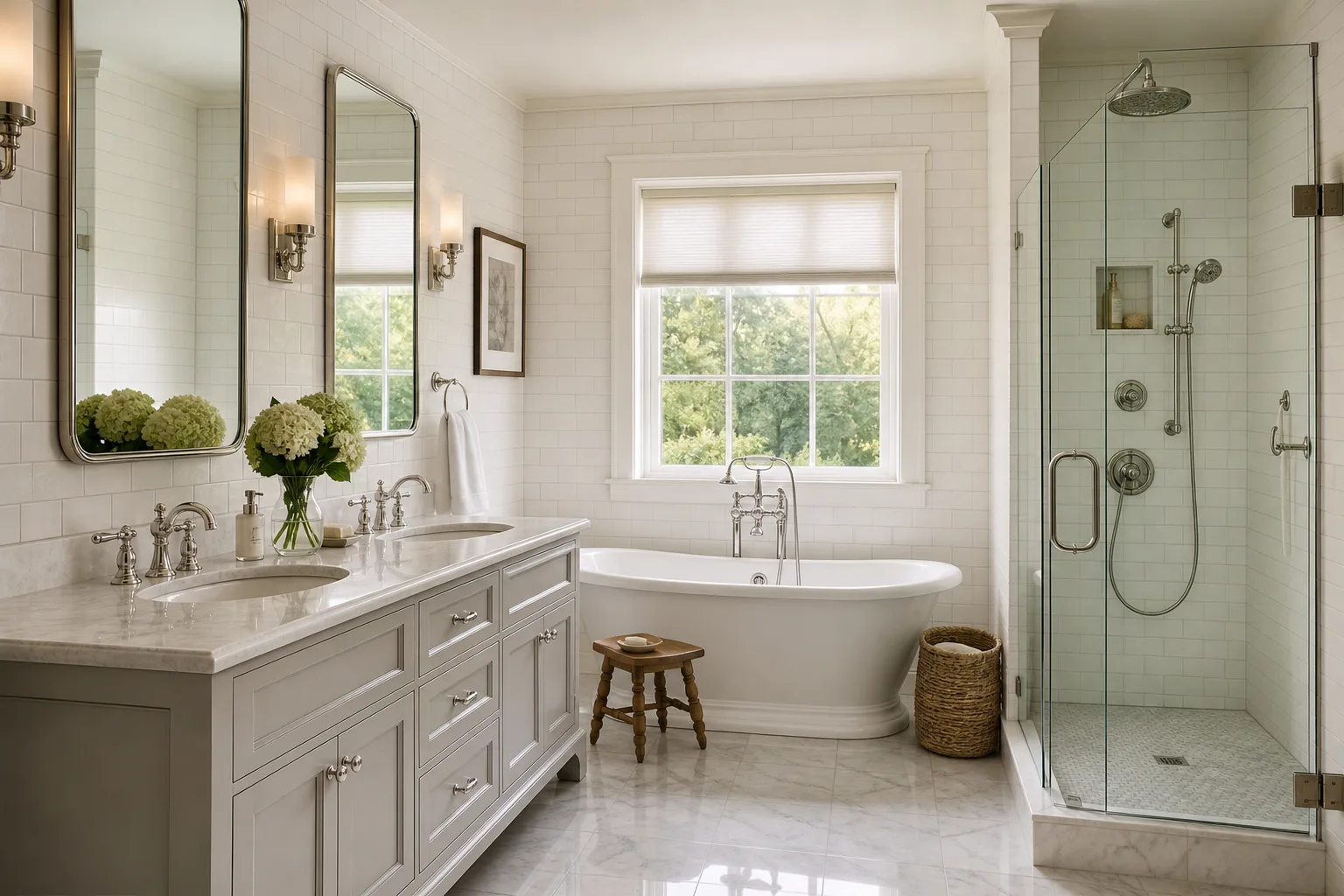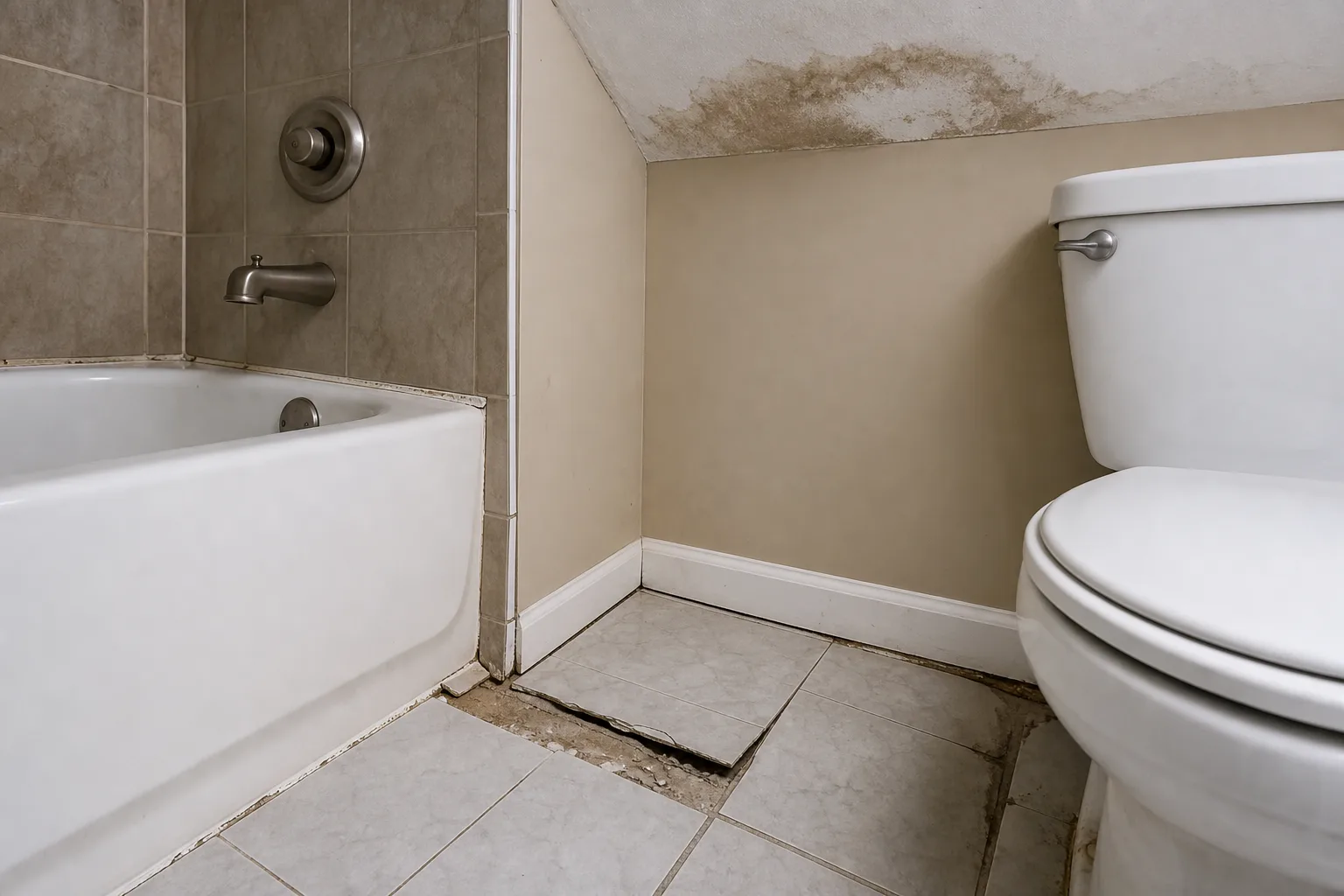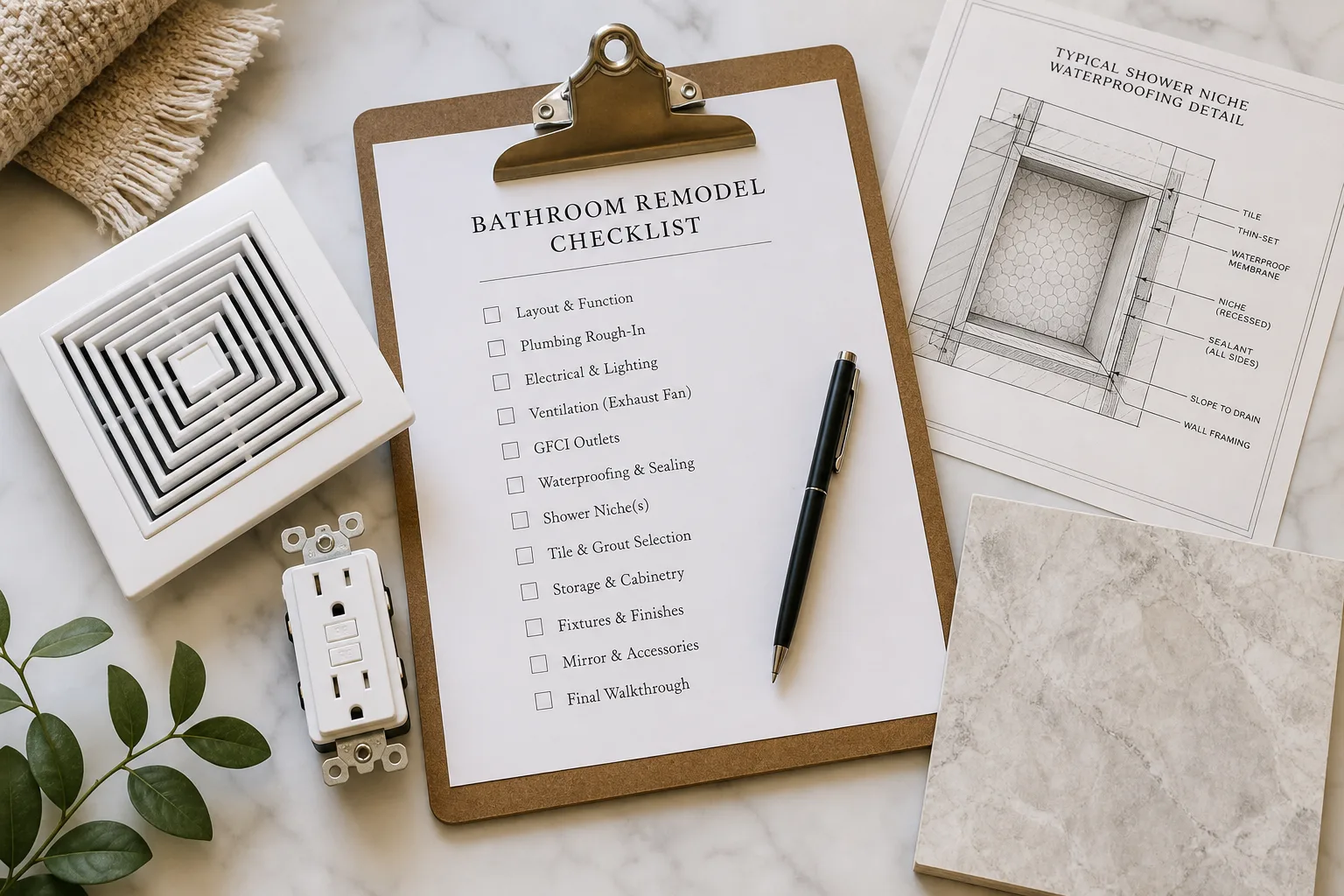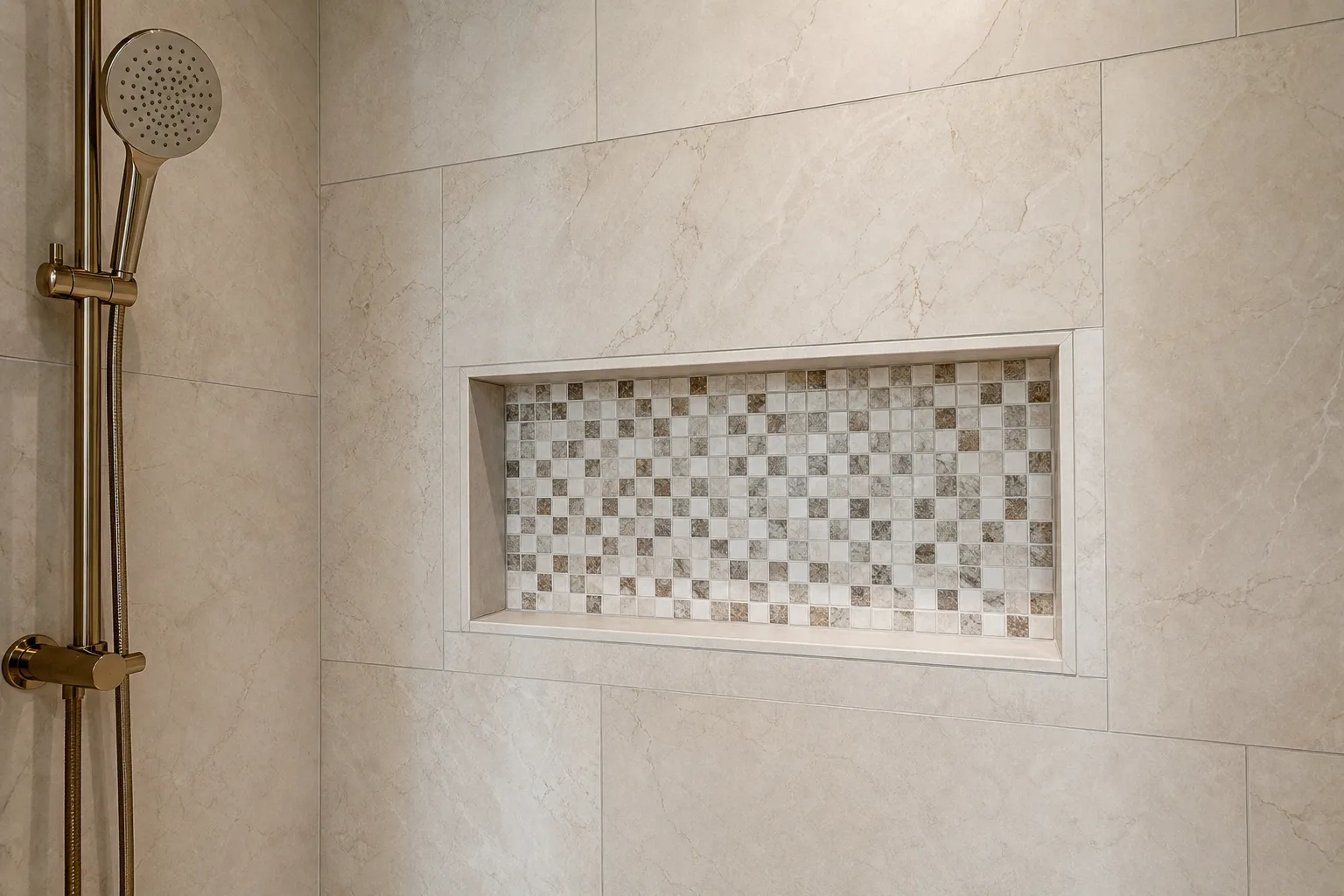
A wet room is not a design choice that looks good in photographs. It is a construction system that makes the entire floor and the shower a single continuous waterproofed surface, which requires a different level of waterproofing competence than a standard shower, and produces a more expensive failure when that competence is absent.
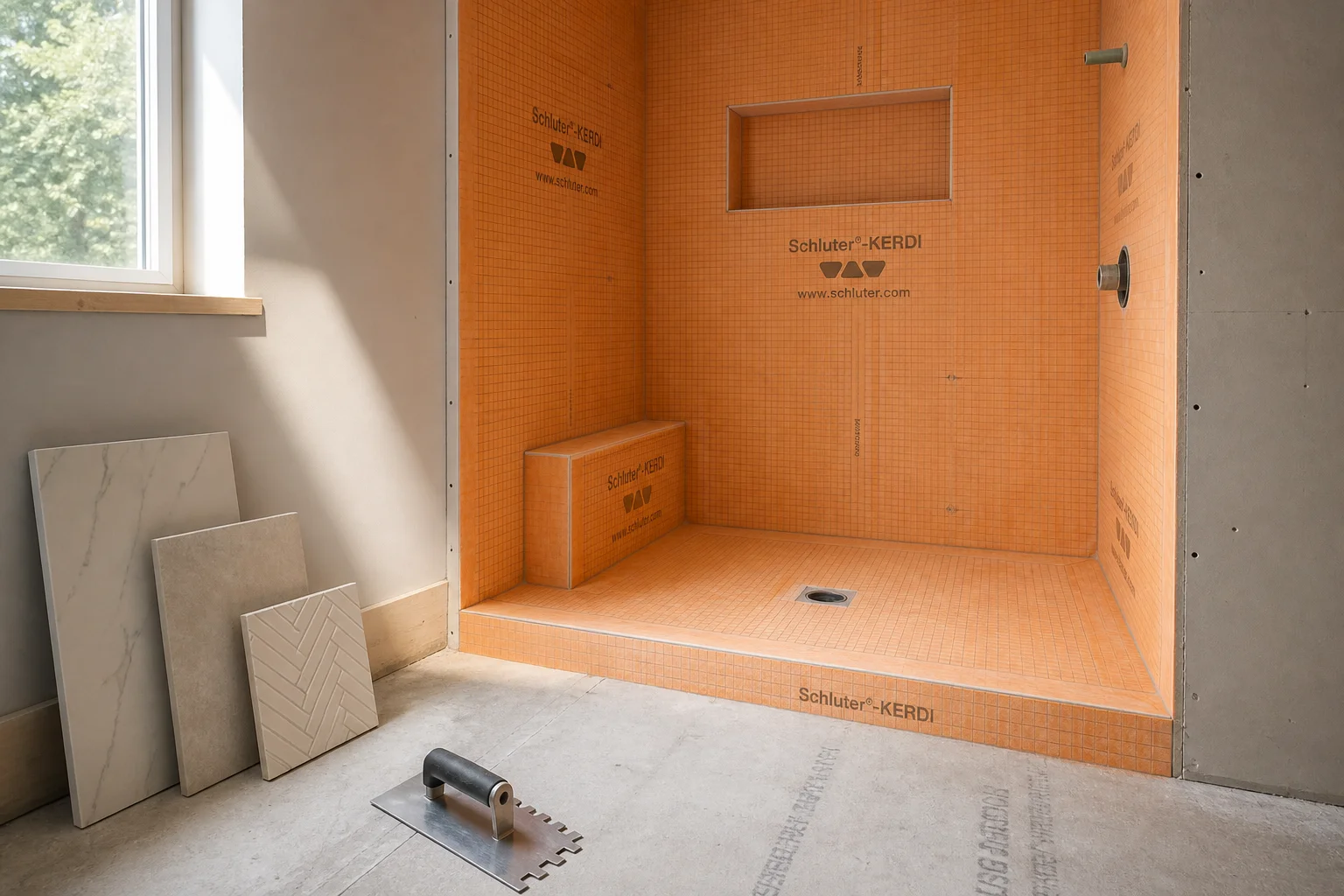
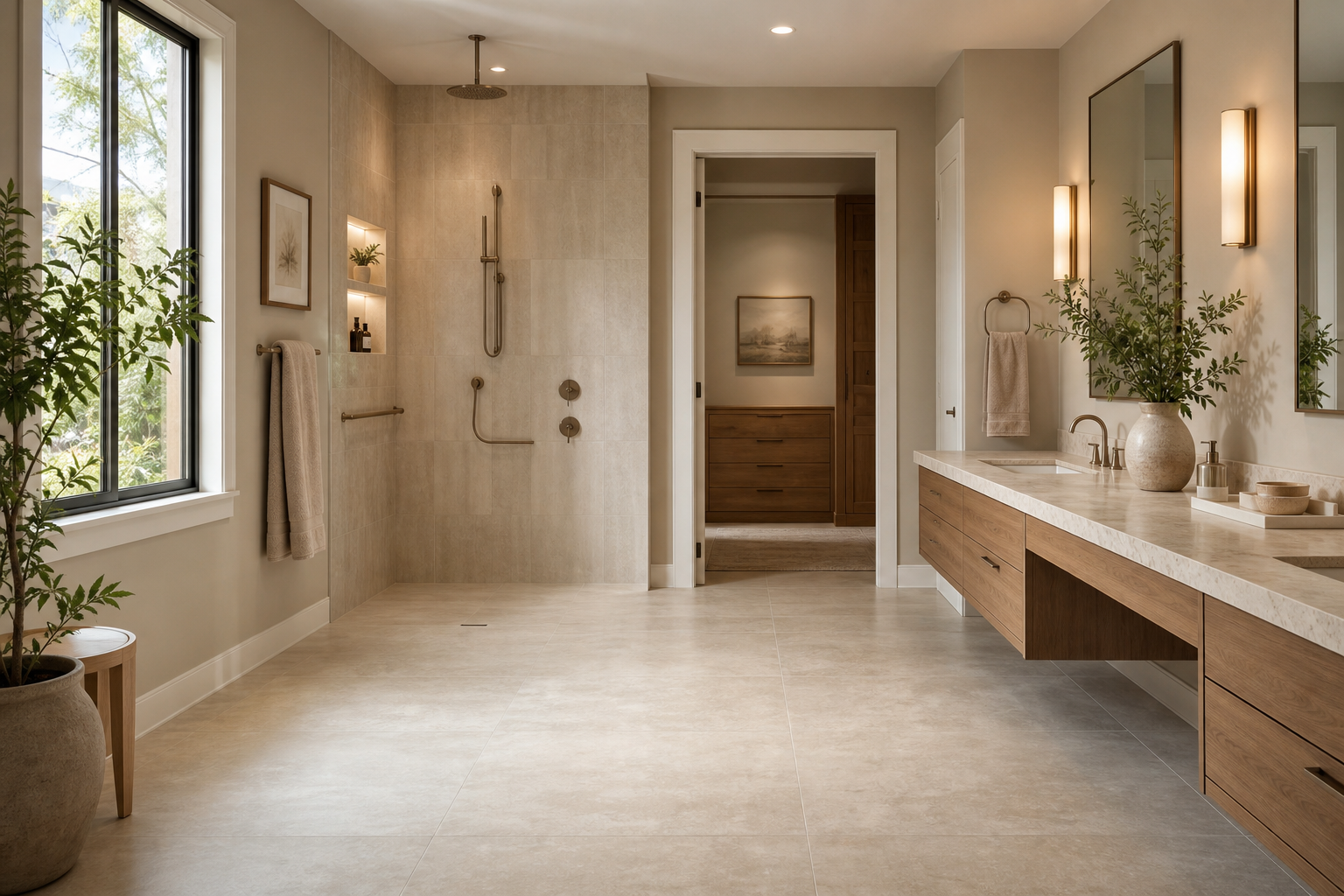
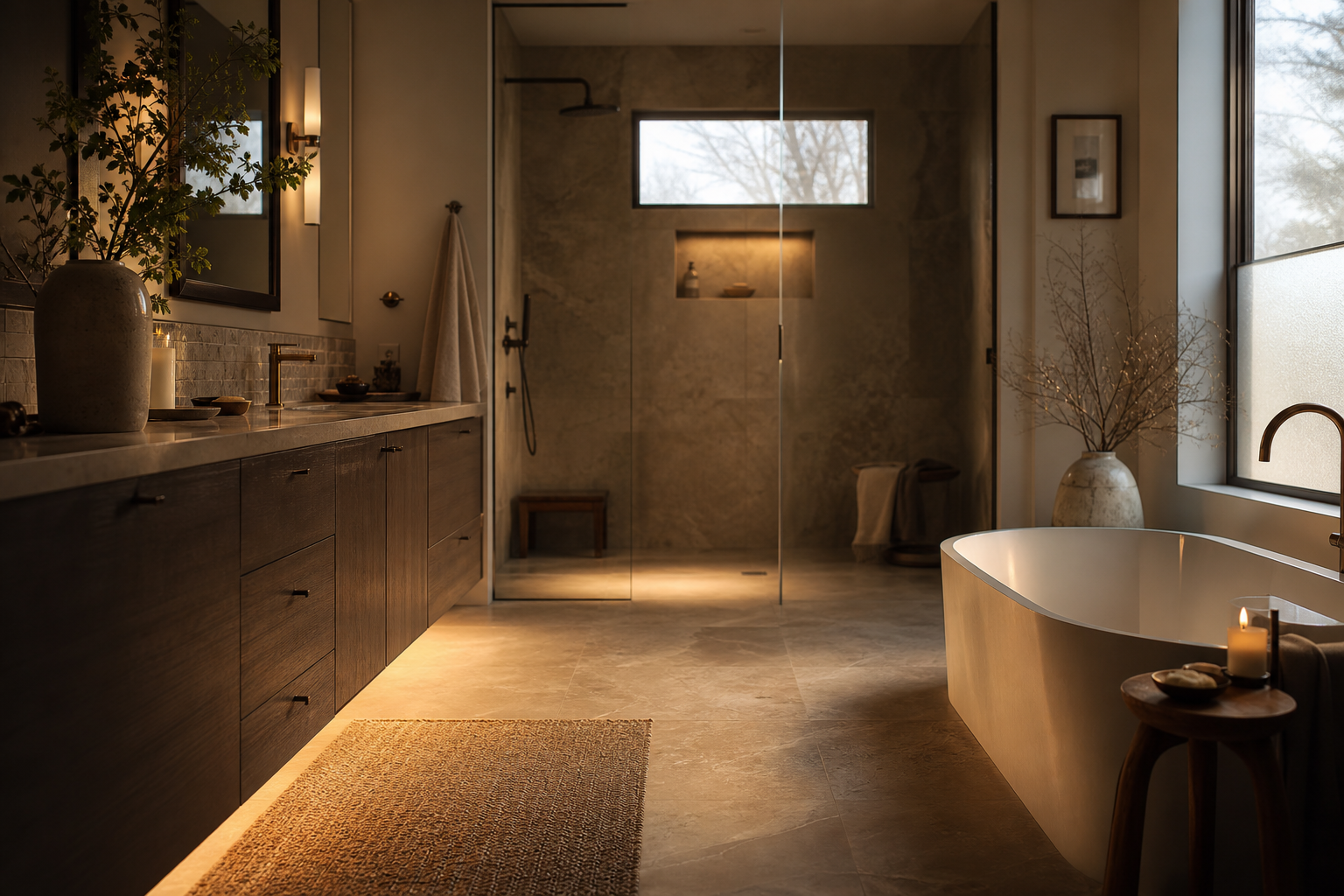
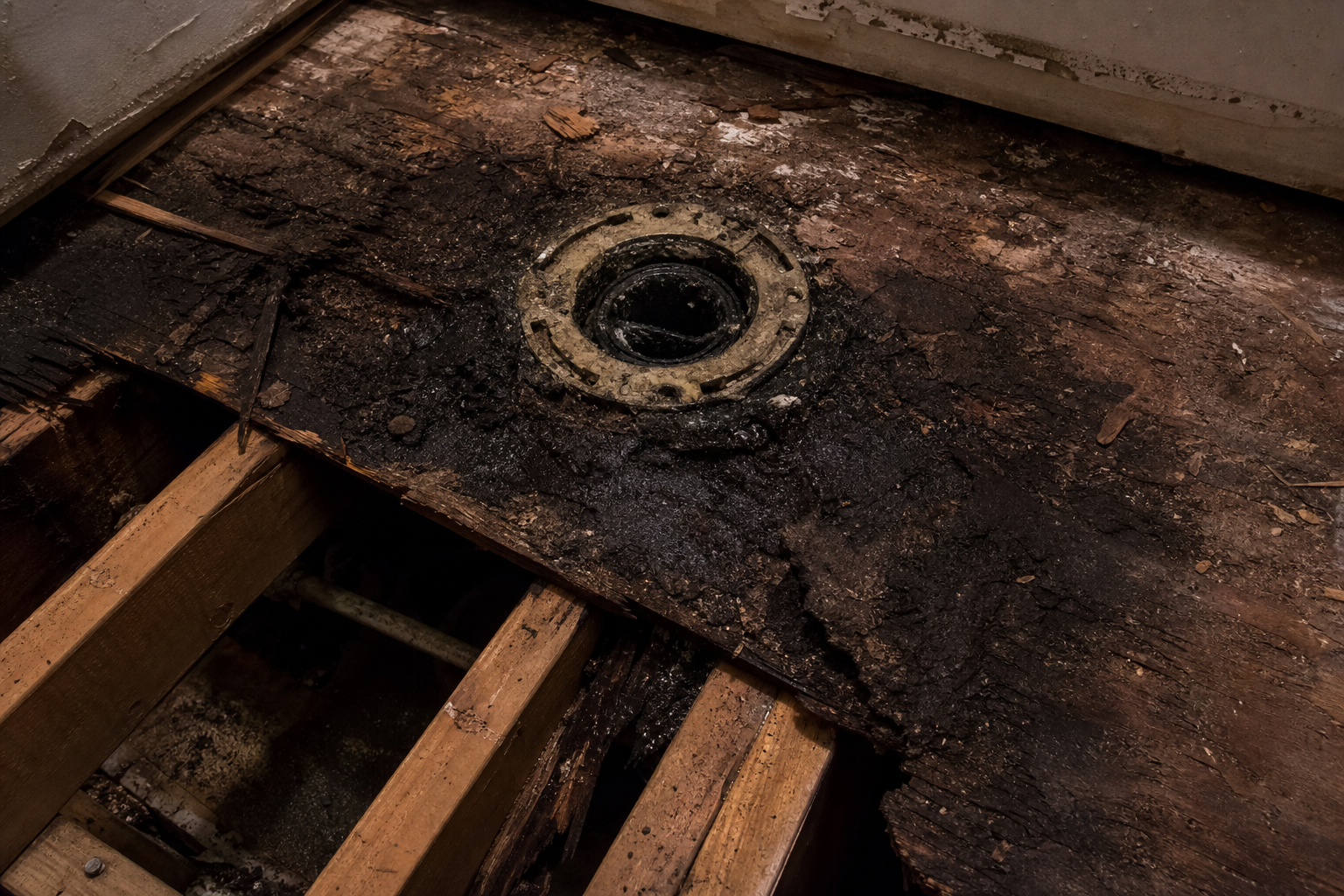
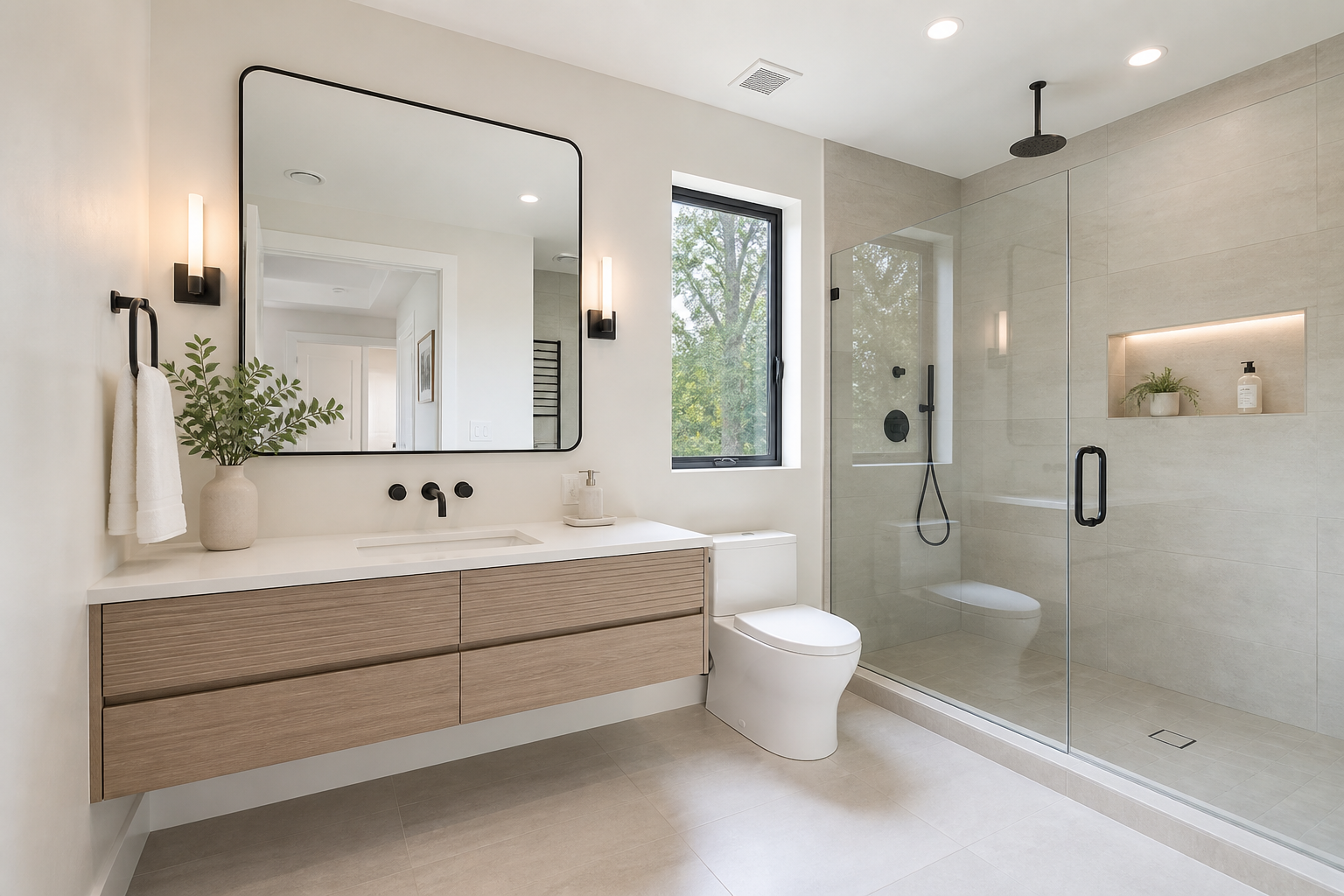
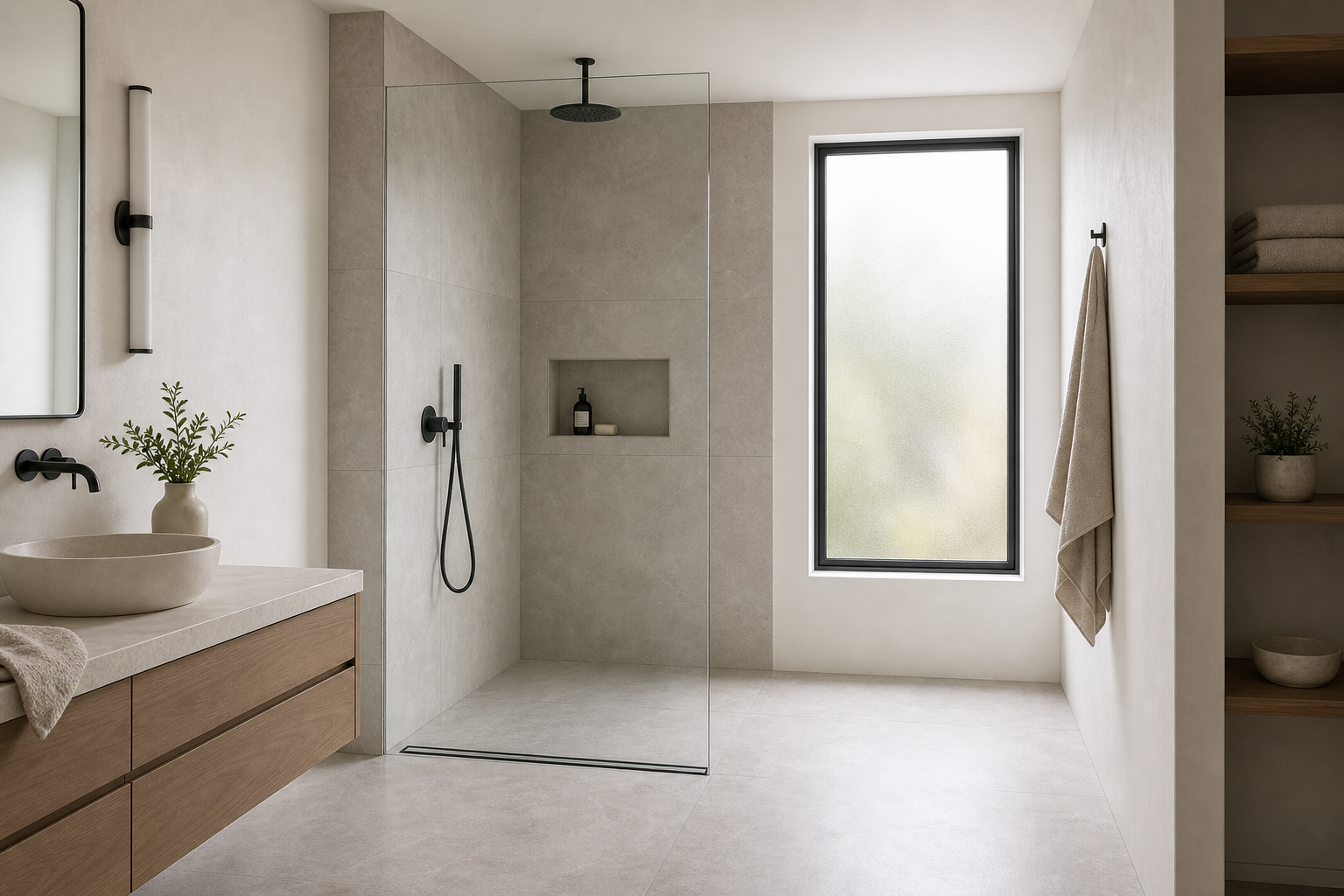
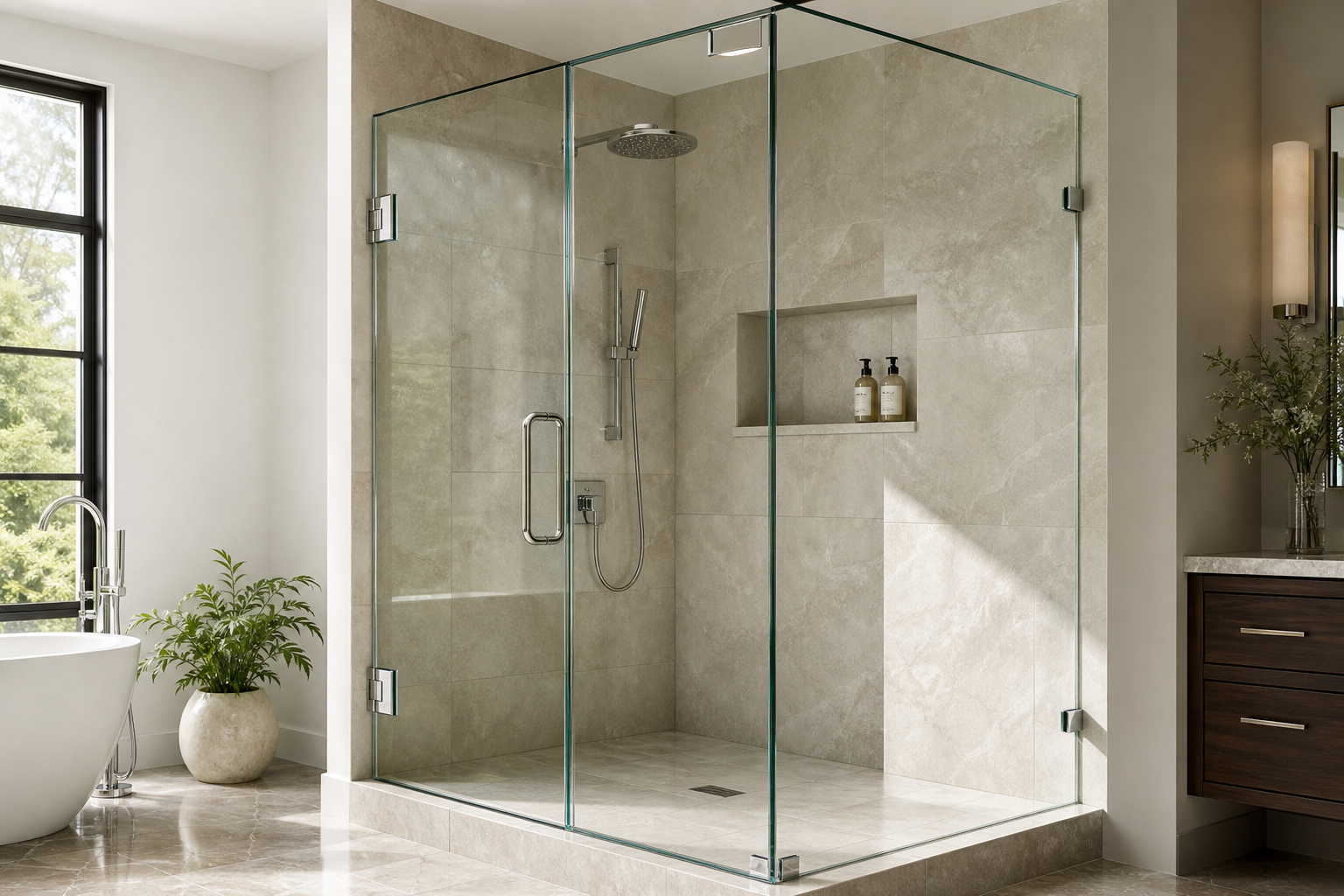
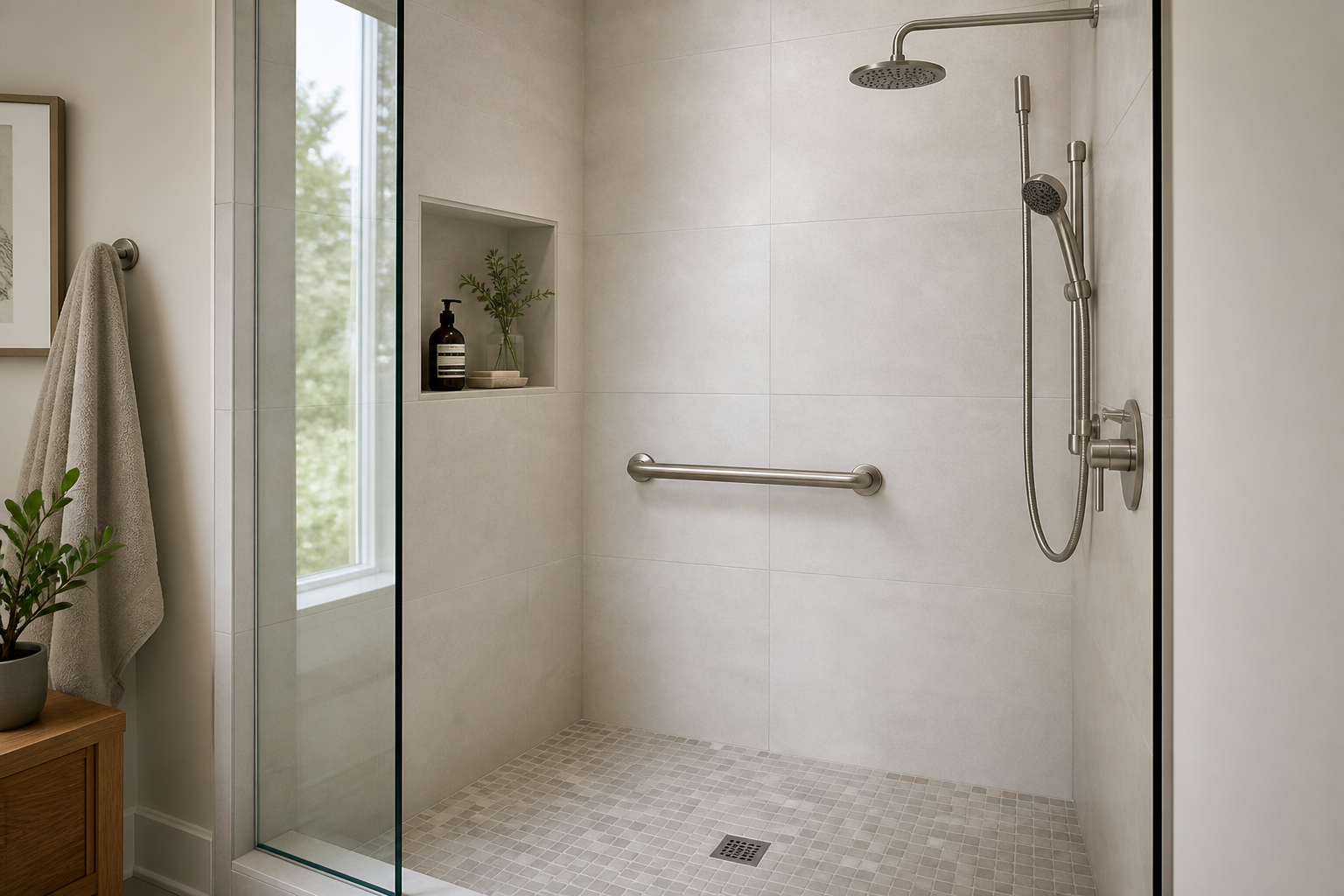
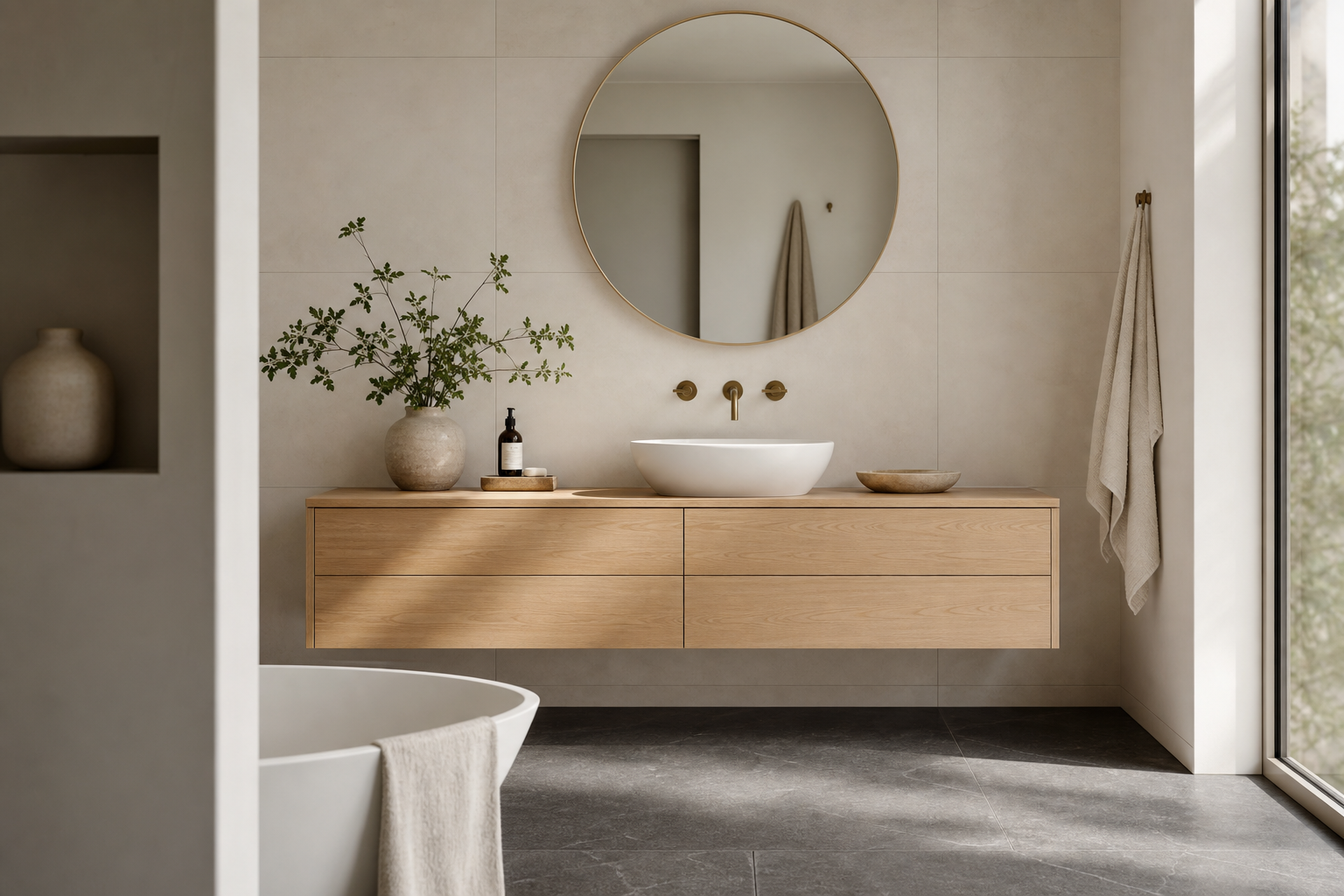
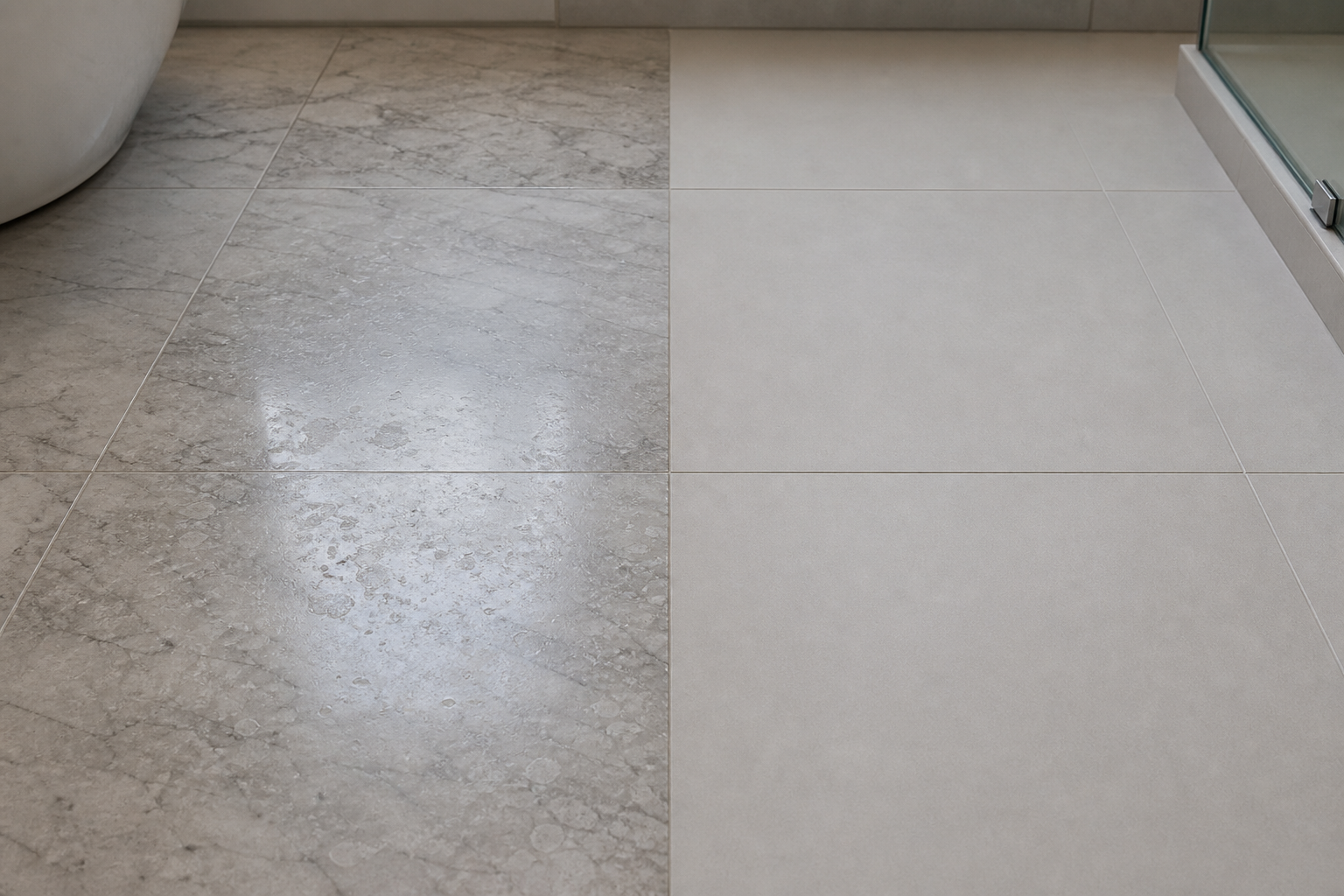
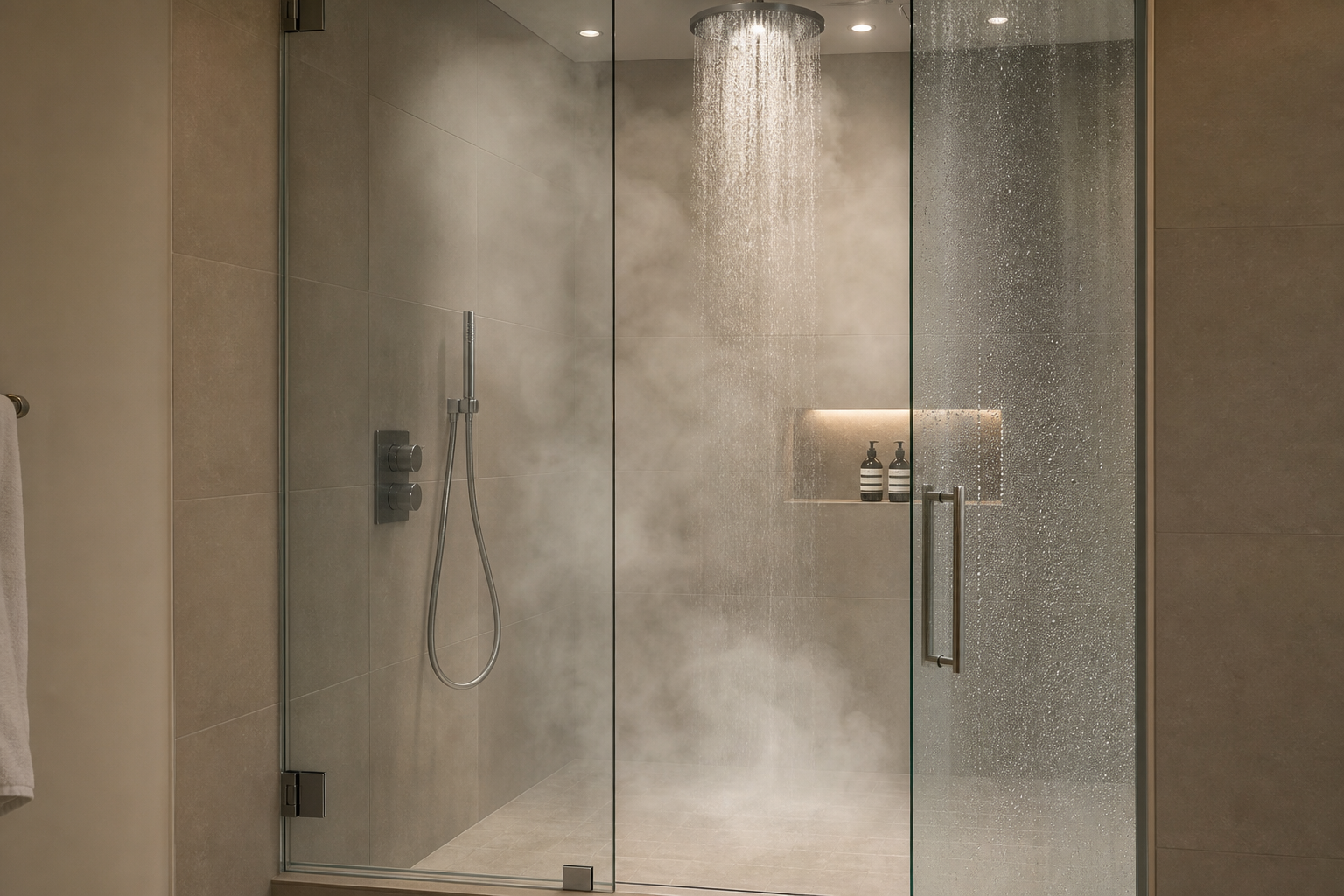
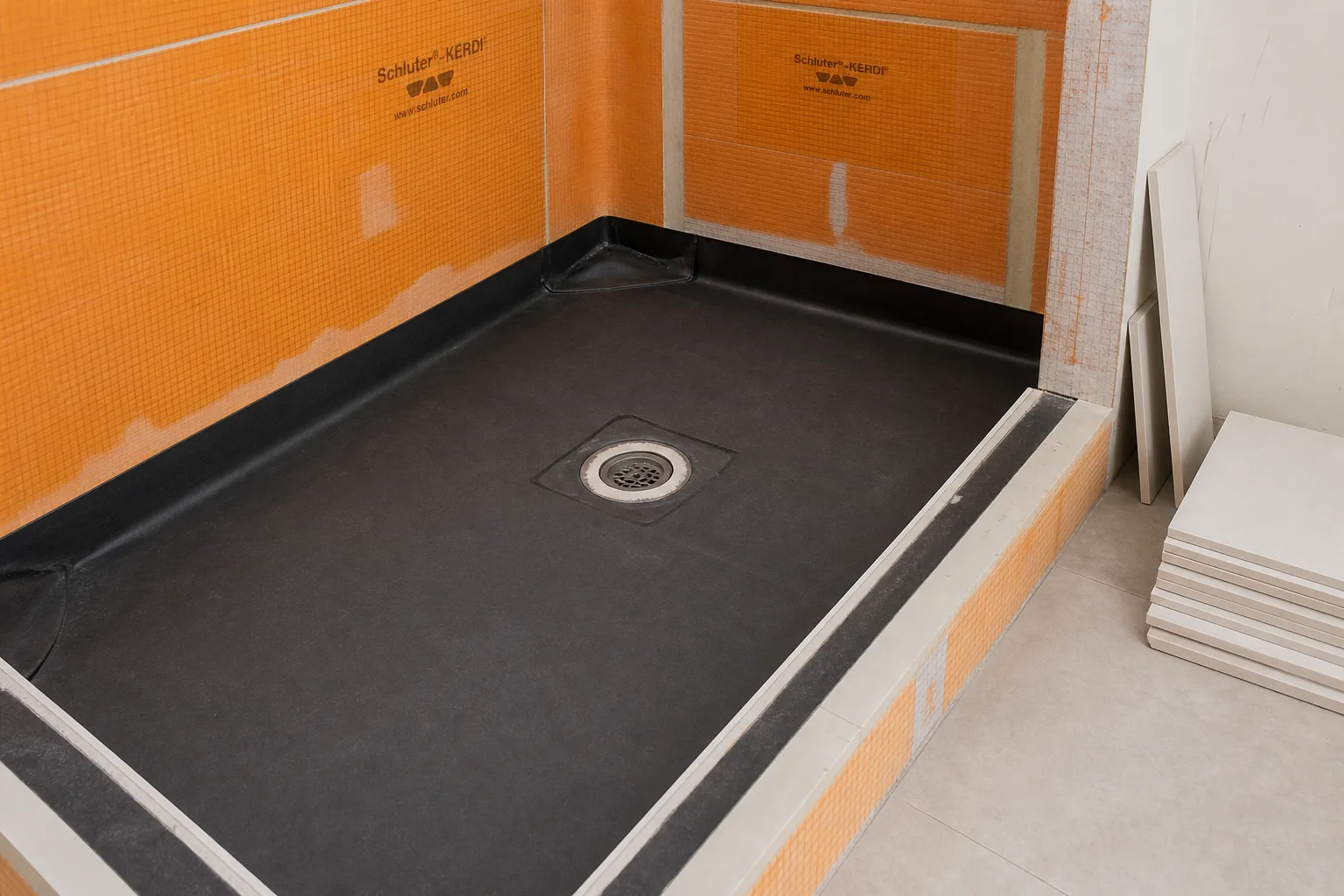
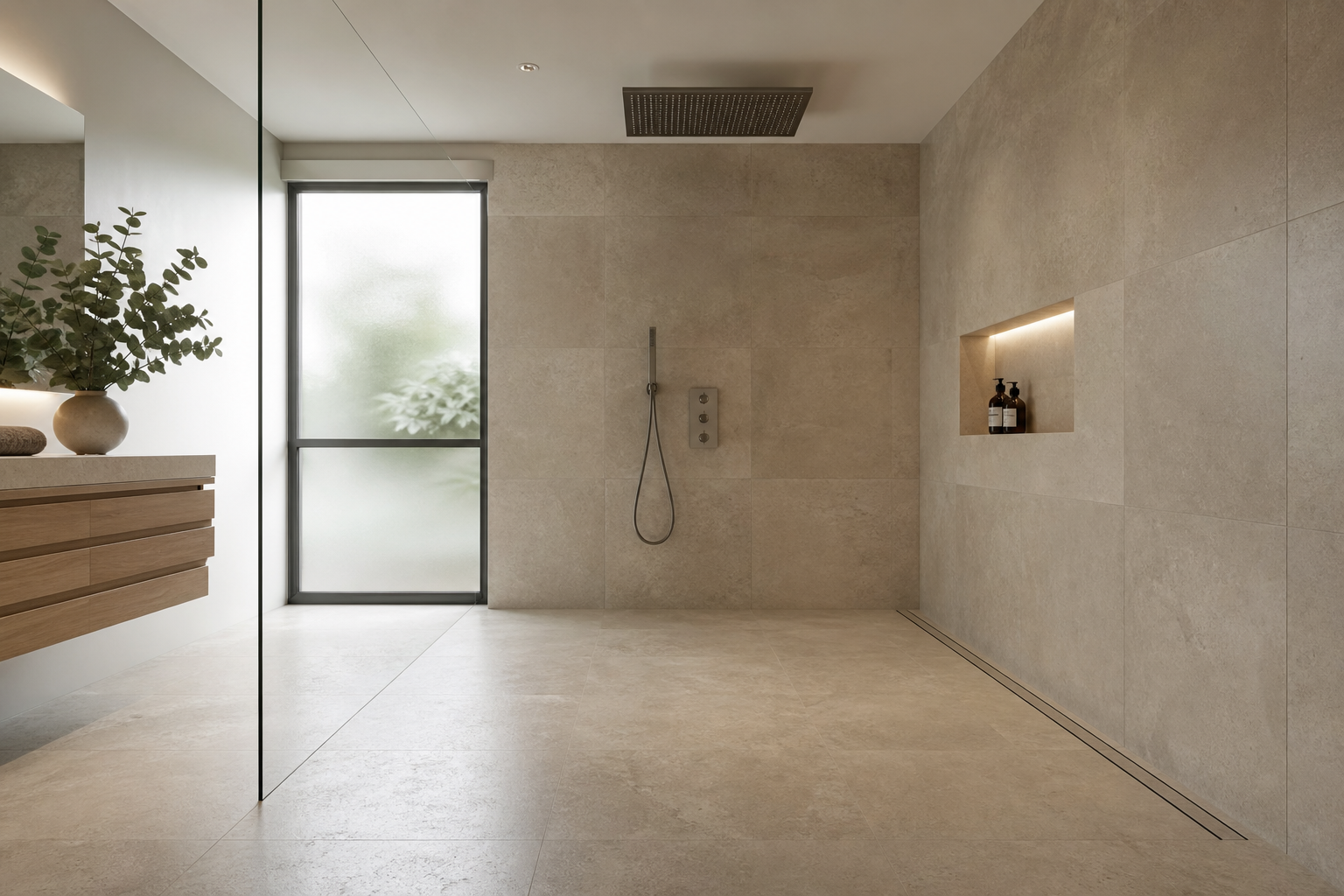
The photographs are compelling. Stone tile running uninterrupted from vanity to shower zone. No curb to step over. A glass screen instead of a full enclosure. Light flooding a space that reads more like a spa than a utilitarian bath. What the photographs rarely show is the assembly beneath the tile: the reinforced subfloor, the pre-formed slope, the fully tanked envelope extending up walls and across the entire floor plane, the drain sized to exceed shower output, and the ventilation rate required to dry a room where water is intentionally allowed to travel freely. A wet room is those invisible decisions made correctly. Without them, it is a very attractive leak.
What a Wet Room Actually Is
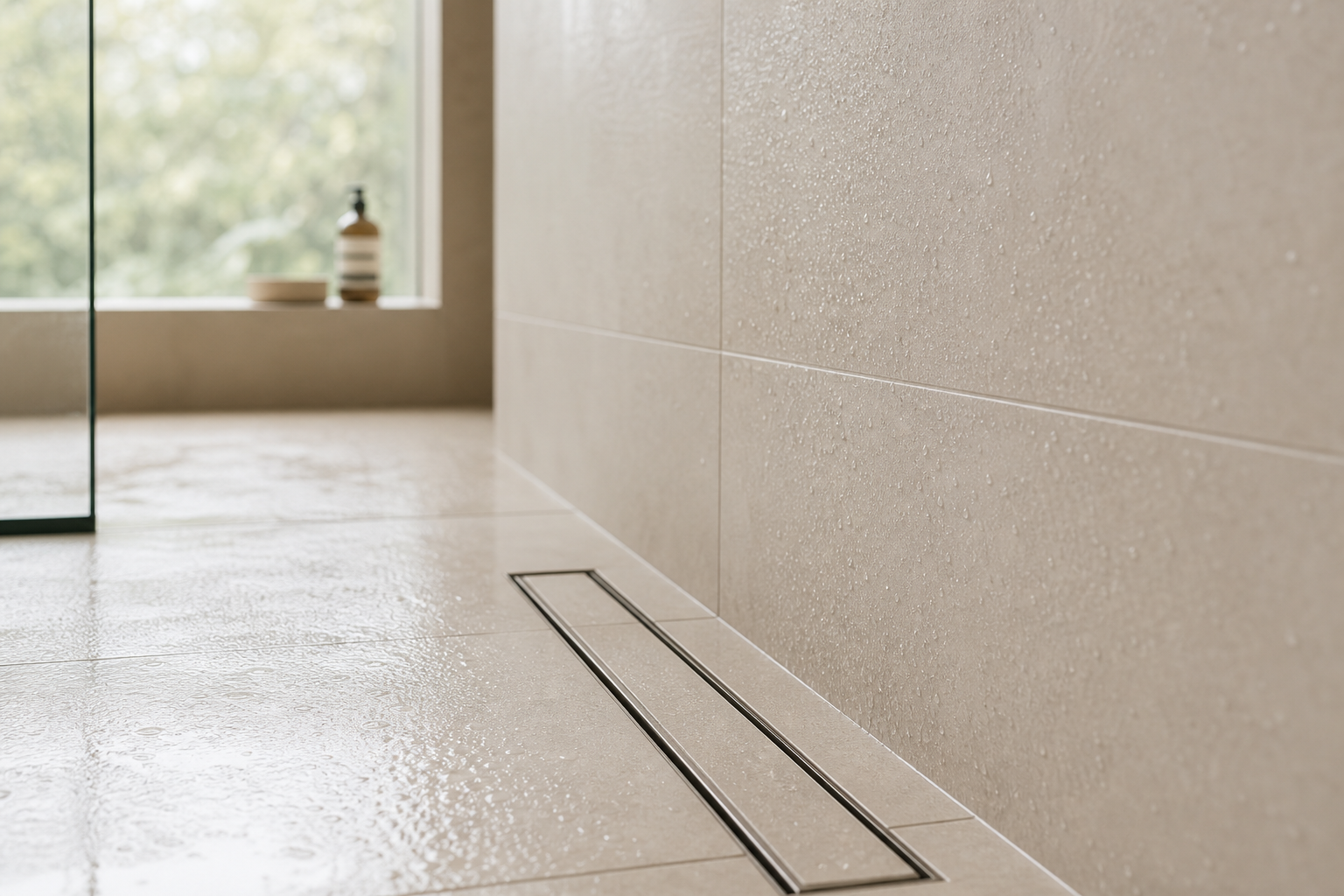
A wet room is a bathroom in which the shower area is integrated into the floor plane rather than isolated inside a tray or curb-enclosed receptor. Water drains through a floor gully or linear drain. The floor slopes toward that drain. The walls in the shower zone, and often the entire room floor, are waterproofed as a continuous tank before tile is installed.
The British Institute of Interior Design's Practical Guide to Wetroom Specification defines the distinction clearly: a wet room is a shower room without barriers to entry, where tile or stone continues at level into the shower area and the floor slopes to allow water to drain away. The entire wet area must be fully tanked so that water cannot reach the structure behind the finishes.
This is not the same as a curbless shower. A curbless shower eliminates the step up at the shower entry but may still contain a defined receptor area with waterproofing limited to the shower footprint. A wet room extends the waterproof envelope across the full floor and often up all walls to a specified height, typically 72 to 80 inches in the shower zone and sometimes floor to ceiling throughout the room. The difference is scope. A curbless shower manages water in a zone. A wet room assumes water may travel anywhere within the enclosed space and builds accordingly.
The design appeal is real. Removing the curb improves accessibility. Continuous flooring makes small rooms feel larger. Cleaning a single floor plane without juggling a threshold reduces daily friction. For primary bathrooms where the household values open plan aesthetics and can accept that the entire room is a splash zone, the wet room solves layout problems that a conventional shower enclosure cannot.
The construction demand is equally real. Every square foot of floor becomes a wet-area square foot. Every wall-to-floor junction becomes a critical seal. Every fixture outside the direct spray zone must still survive in a humid, splash-prone environment. The room cannot rely on a curb to contain water that the drain did not capture fast enough.
The Waterproofing Requirement Is the Whole Project
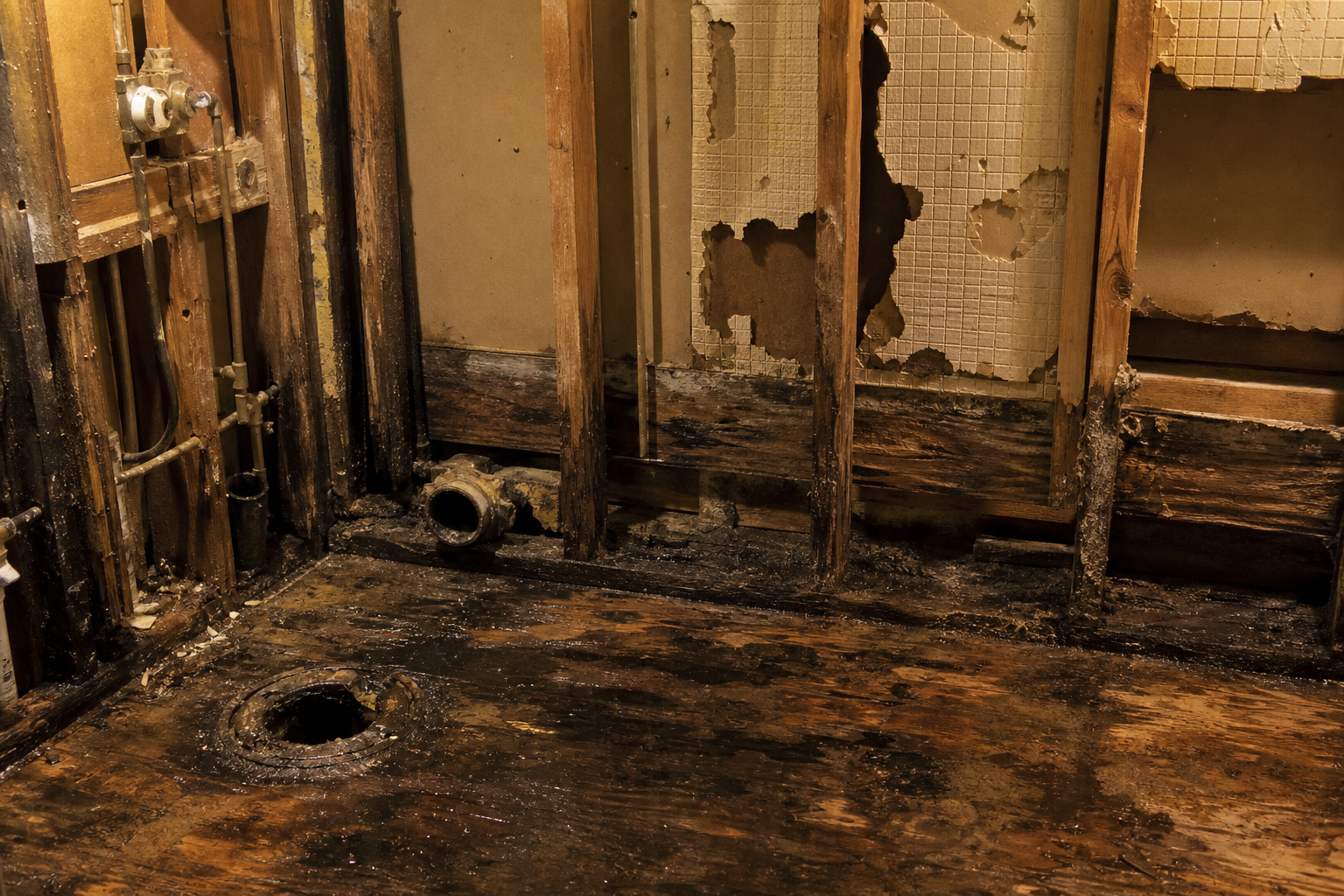
In a standard shower, waterproofing failure is localized. A missed corner in the receptor may damage framing below the shower. The vanity area remains dry.
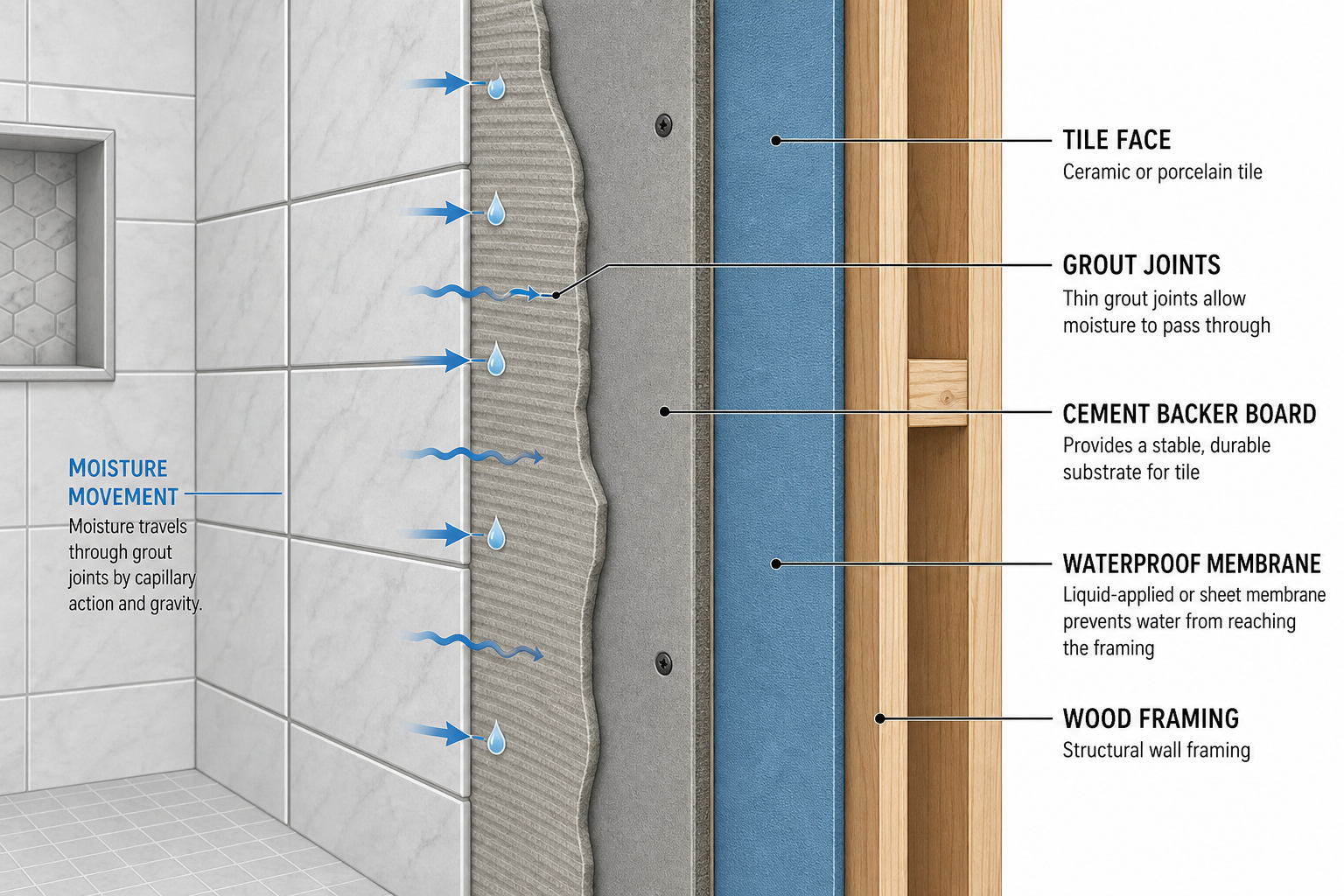
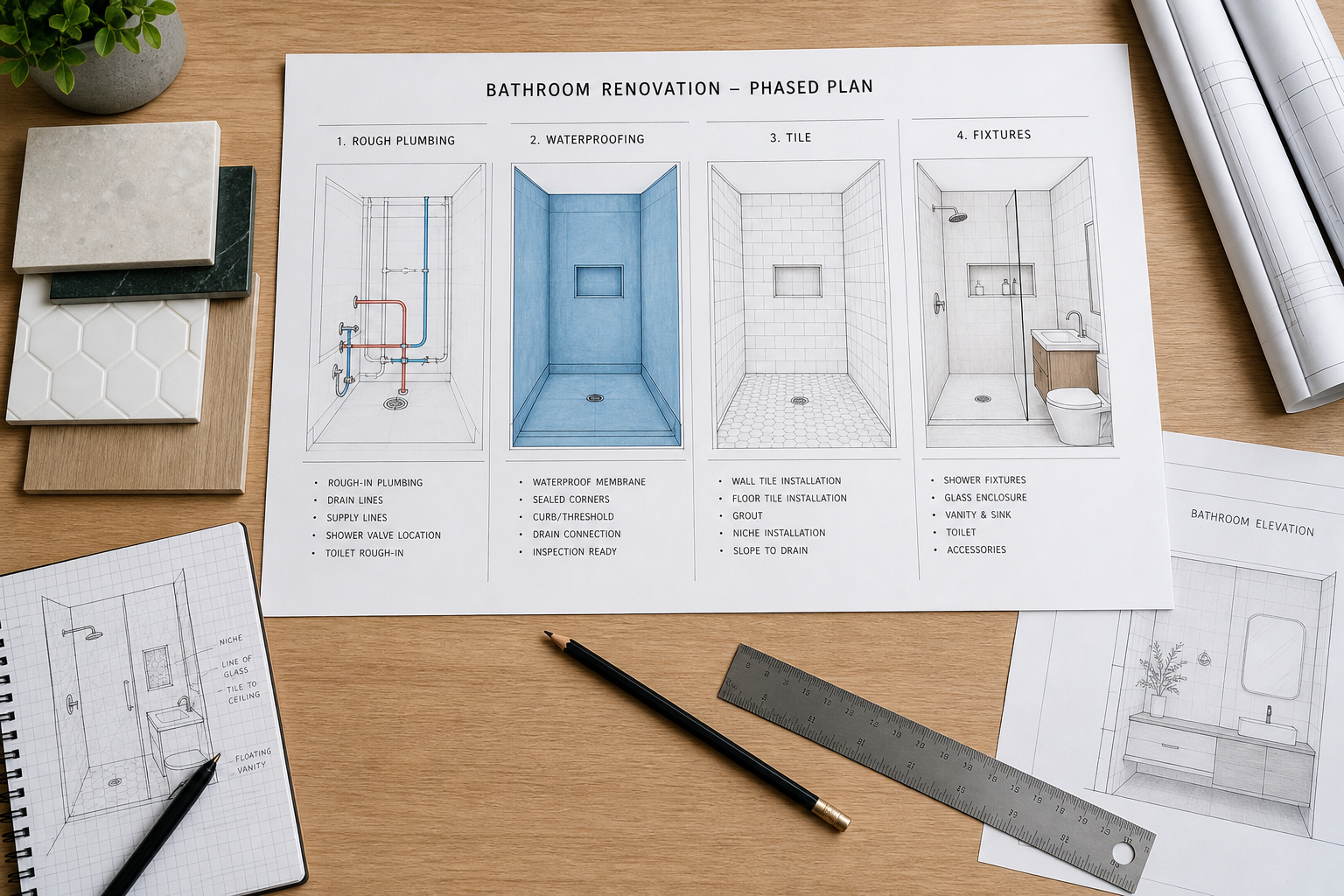
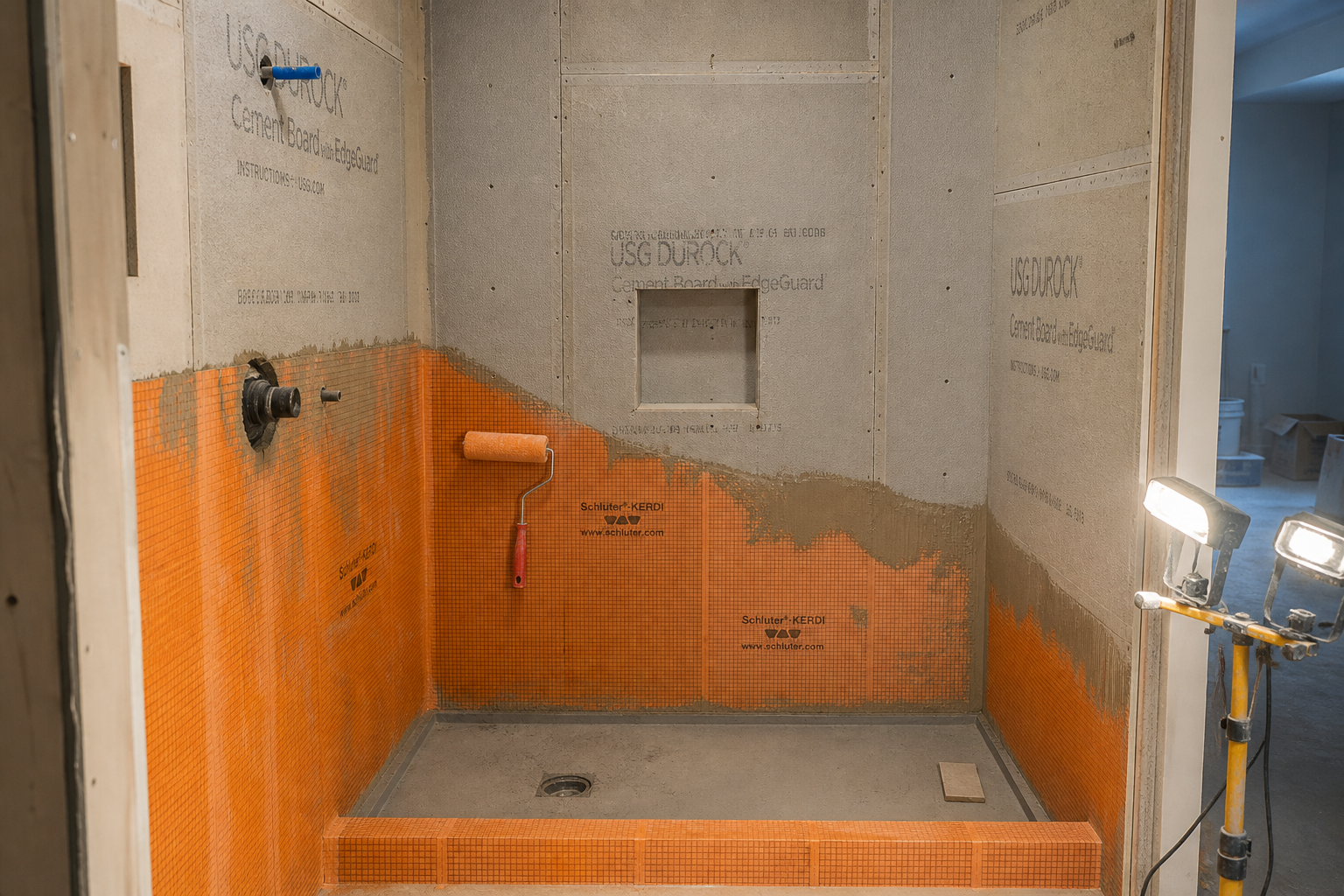
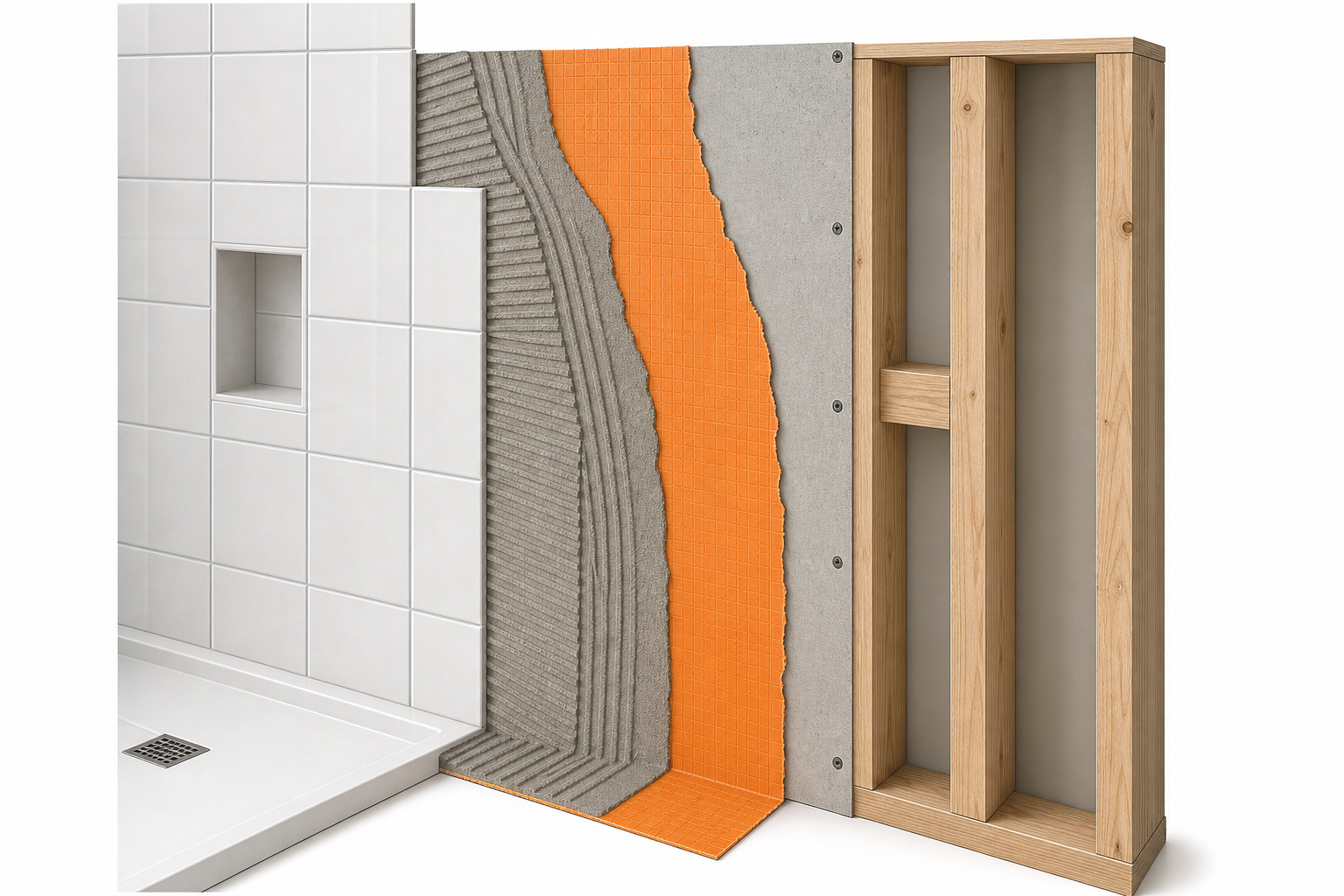
In a wet room, waterproofing failure is systemic. The British Standard approach referenced in wet room installation guidance requires a fully tanked envelope: entire floor area, walls turned up a minimum of four inches at the floor perimeter, and floor-to-ceiling treatment in the immediate shower zone unless the area is fully isolated by partitions. Liquid-applied membranes must meet performance standards such as BS EN 14891 or, in North American practice, ANSI A118.10 for bonded waterproof membranes under tile. Sheet systems from manufacturers such as Schluter, Wedi, and Mapei achieve certification through the same class of hydrostatic and seam-strength testing.
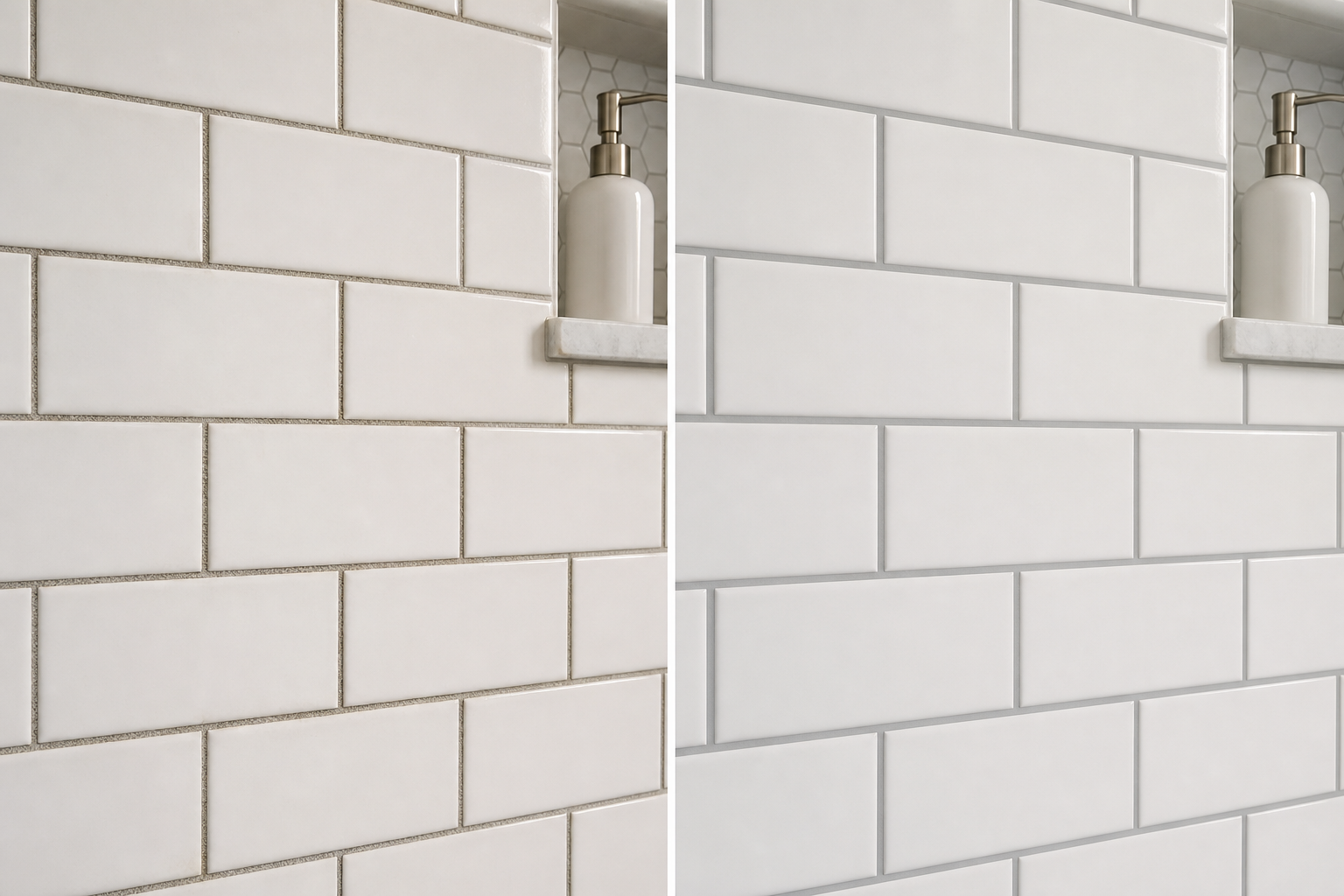
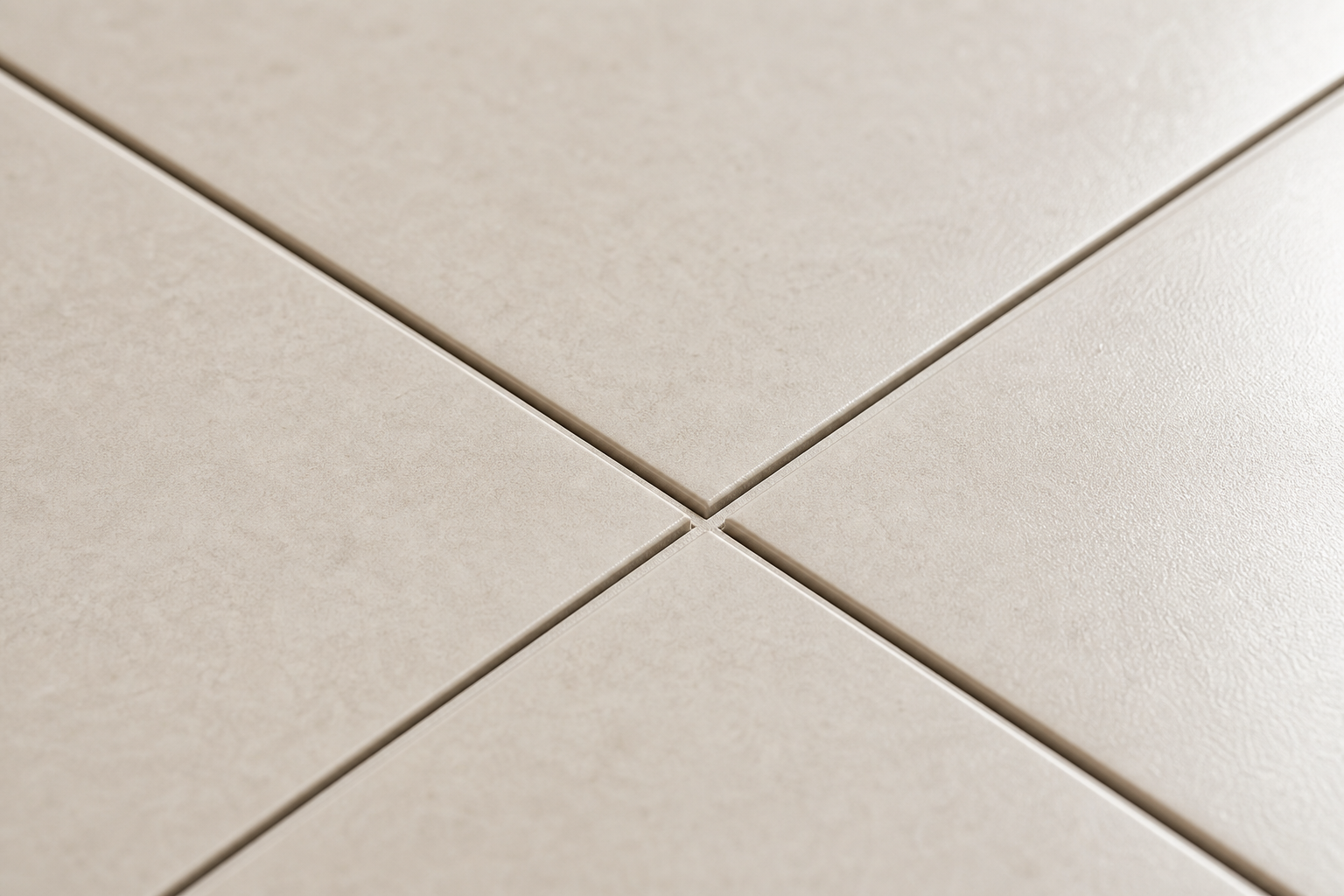
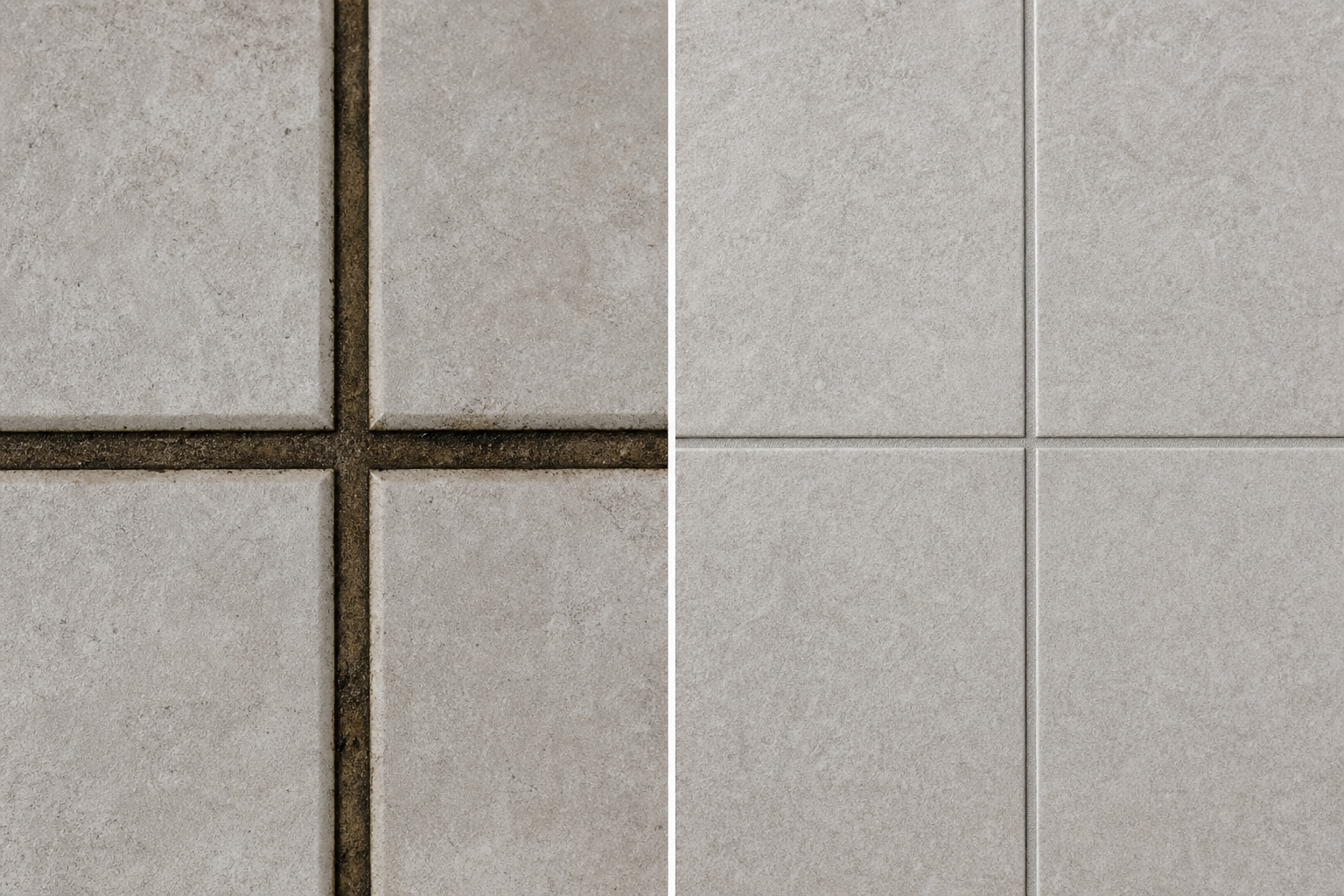
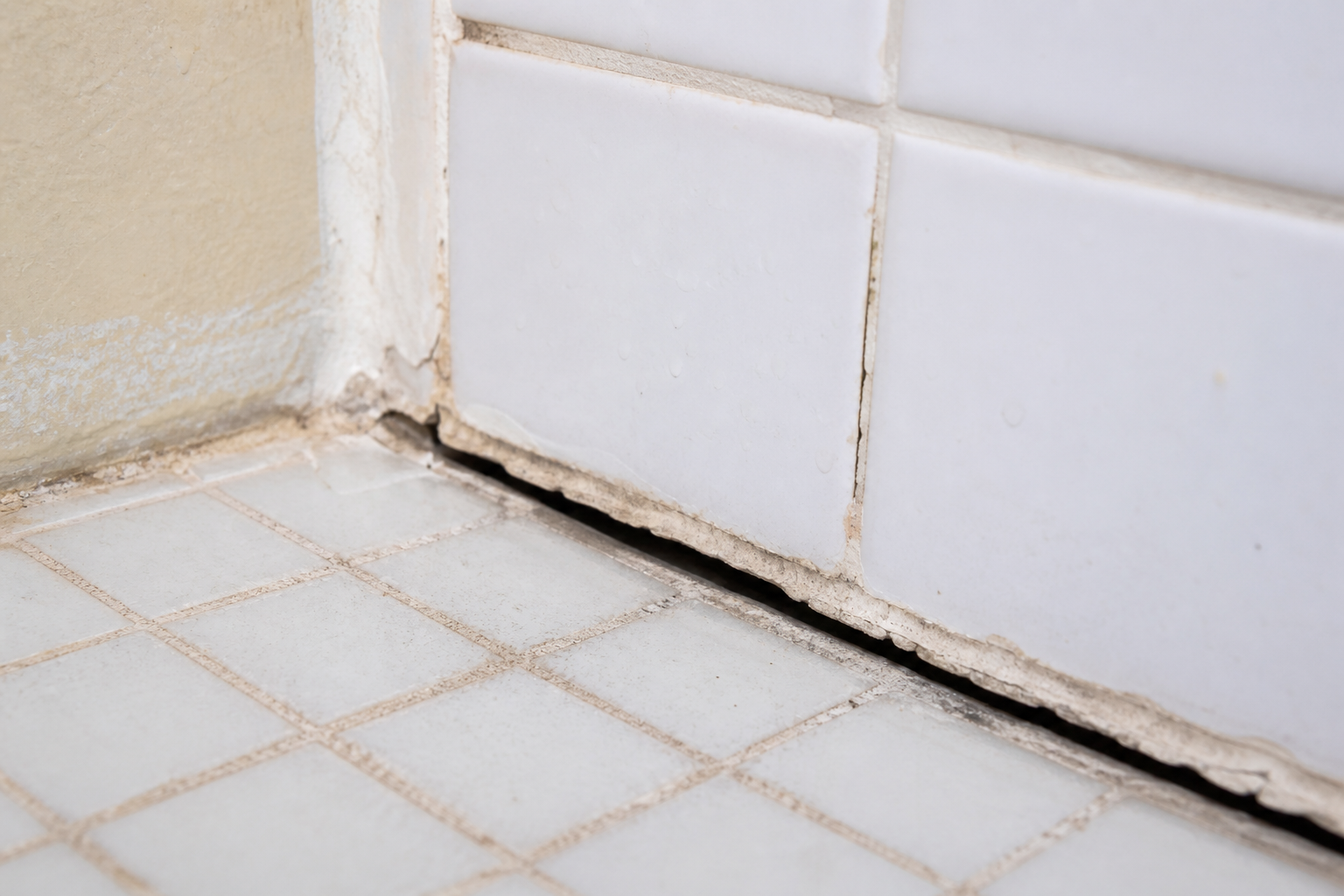
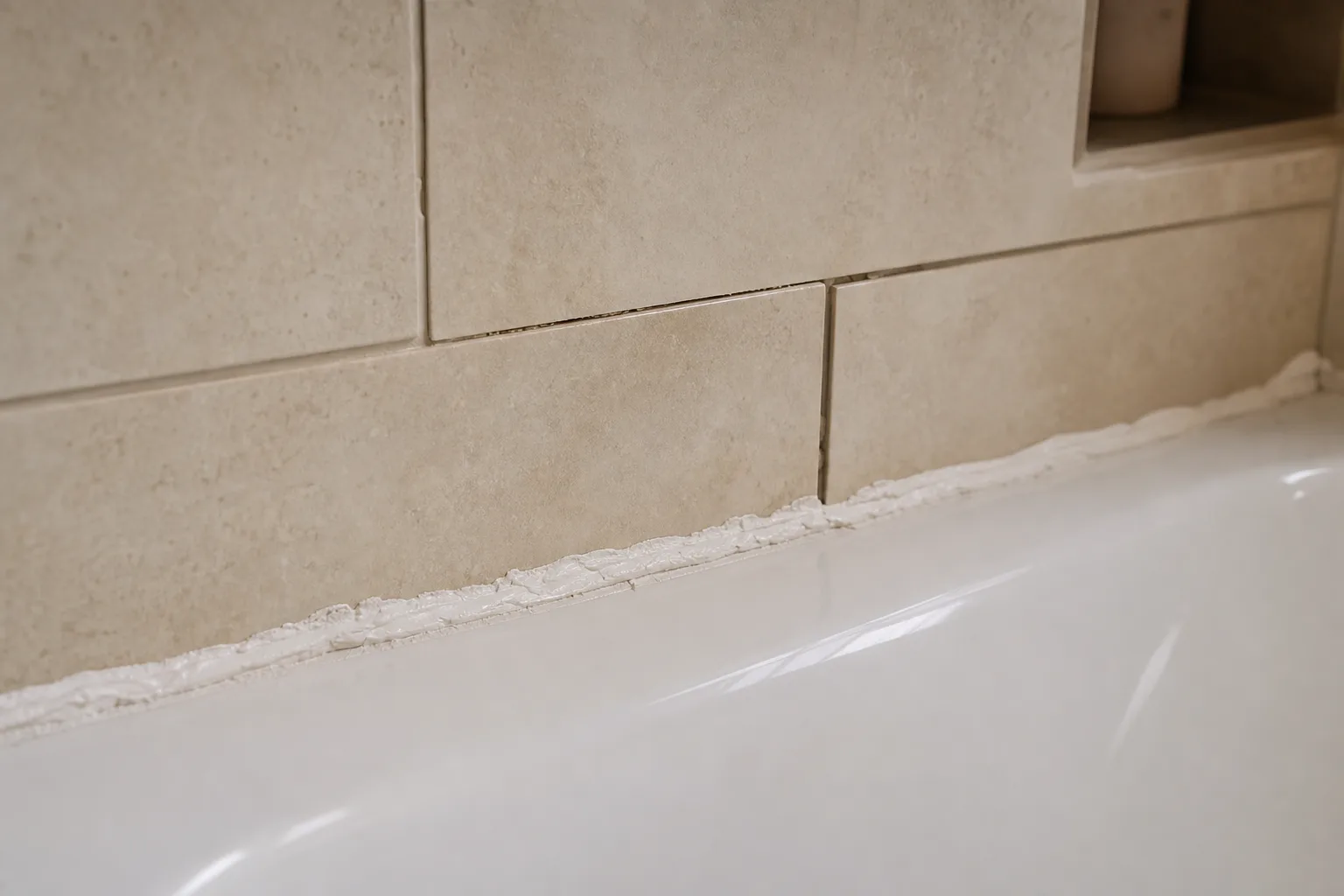
The BIID guide states the distinction that governs every wet room conversation: tiles and grout are at best water-resistant, not waterproof. Waterproofing protection must come from what is used beneath the tile covering. That principle applies to every shower. In a wet room, the surface area requiring that protection multiplies.
Junctions with drains are the highest-risk locations. The waterproofing membrane must dress into the waste unit and seal it. The drain flow rate must exceed the shower output at full capacity. Wetroom Experts specification guidance recommends trapped drains with constant flow rates in excess of shower output, with standard shower tray formers supplying drains rated at approximately 46 liters per minute. A drain that cannot keep pace with the shower produces standing water on a floor that has no curb to contain it.
Pipe penetrations, fixture anchors, and wall-to-floor transitions each require manufacturer-compatible sealing tapes, gaskets, or liquid membrane reinforcement. A wet room with ten linear feet of critical junction has ten linear feet of potential failure. There is no zone where a shortcut stays hidden.
Slope and Structure: Where Wet Rooms Fail Before Tile Arrives
Waterproofing without correct slope is a pond waiting for a leak.
The minimum recommended fall in wet room construction is approximately 1:50, or a quarter inch per foot, directed toward the drain. Some accessibility-focused specifications prefer 1:35 for more aggressive drainage. The BIID guide specifies falls between 1:35 and 1:80 per BS 5385 Part 3. The slope must be formed into the floor structure itself. Attempting to create falls with tile adhesive above a flat subfloor produces uneven tile, inconsistent drainage, and stress concentrations in the finish layer.
Pre-formed shower tray formers, either standard sizes or custom-fabricated to the room dimensions, are the reliable method. These boards arrive with the slope molded in and a waste outlet positioned at the low point. The waterproofing membrane follows the contour of the slope rather than creating it. Wetroom Experts states explicitly that the waterproofing system must follow the contours of the slope to falls, which is why the incline must be formed into the floor before tanking, not improvised during tile setting.
Structural rigidity matters as much as slope. A floor that deflects under load will crack tile and grout, opening paths for water regardless of membrane quality. Timber floors typically require 18-millimeter marine-grade plywood plus tile backer board, or 22-millimeter tile backer direct on joists, depending on joist spacing and expected load. Concrete slabs must be sound, level, and free of moisture issues before tanking begins. Upstairs wet rooms carry additional risk because a failure sends water to the ceiling below rather than into a crawl space.
Linear drains along one wall simplify single-plane slopes in rectangular rooms. Central drains suit smaller square layouts. The drain choice affects where the high point of the floor sits, which affects where the vanity, toilet, and door swing can land without creating level changes that trap water.
Ventilation and Daily Use: The Room After the Photograph
A wet room that drains correctly and tanks correctly still fails if the room cannot dry.
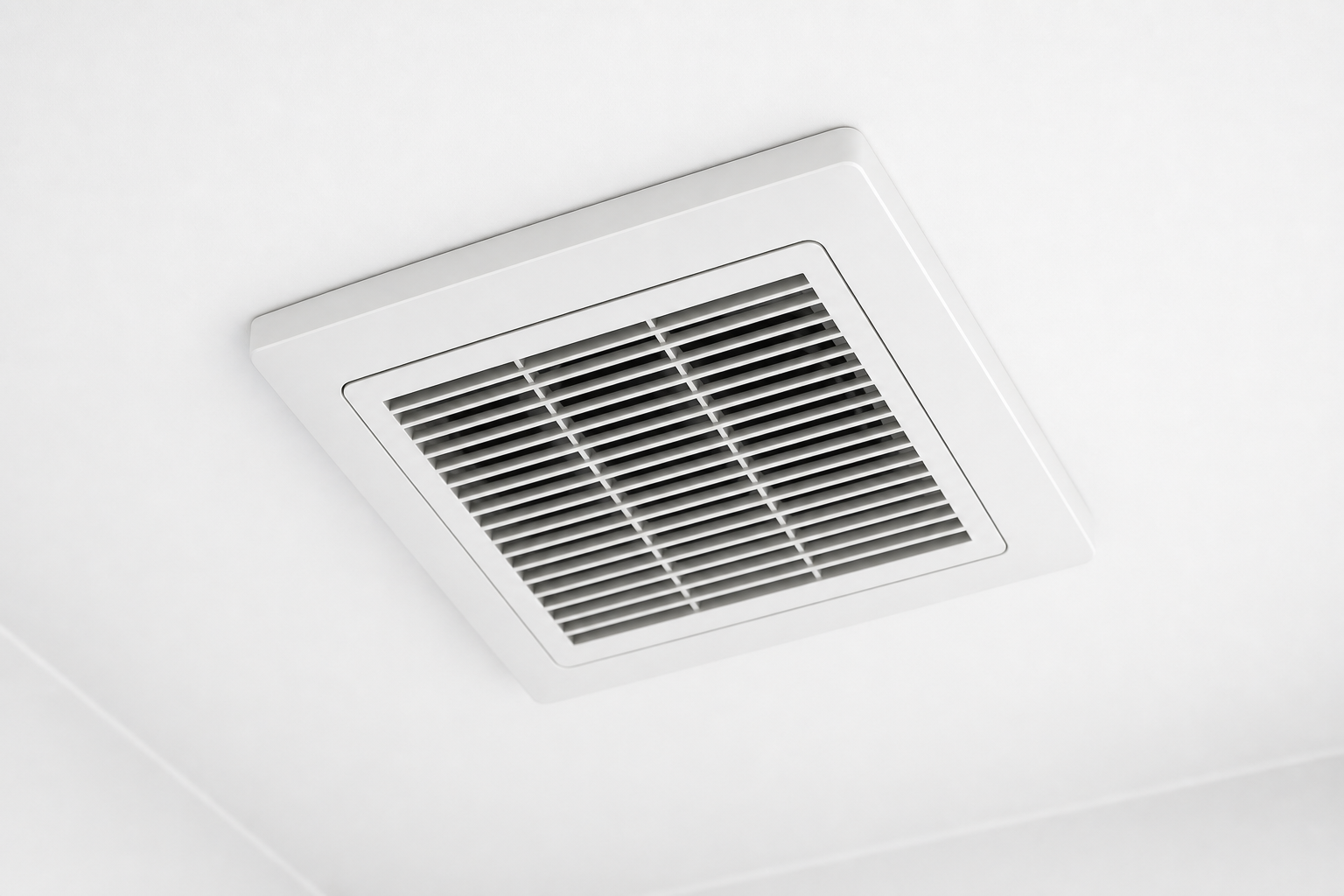
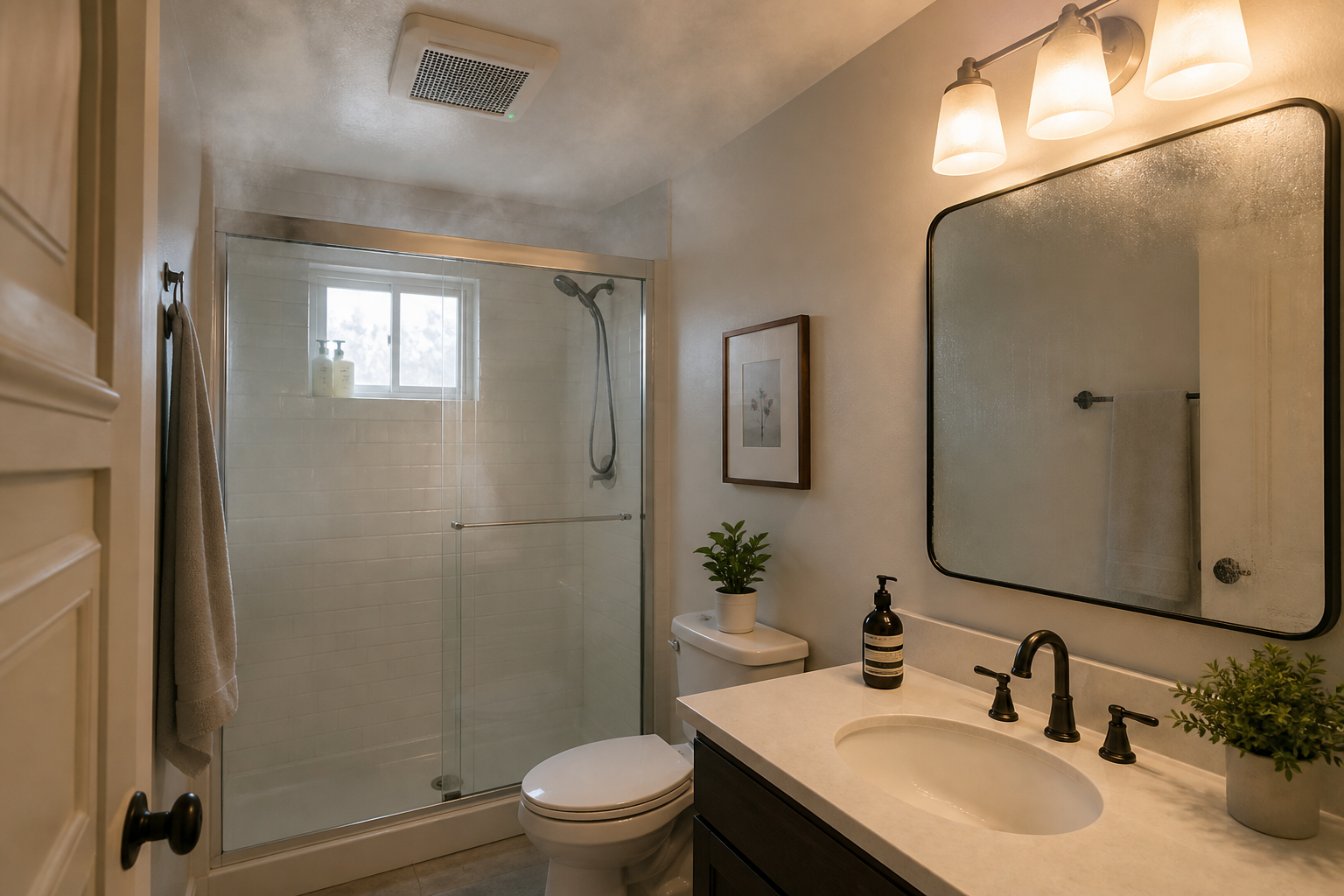
The entire floor receives splash and spray. Towels on the floor stay damp longer. Humidity rises faster than in a enclosed shower because there is no glass panel limiting air exchange to a small volume. Mechanical extraction is not optional. UK Approved Document F and equivalent North American practice require intermittent mechanical ventilation sized to the room, typically minimum 15 liters per second for intermittent extract, with run-on timers that continue operation after the shower ends.
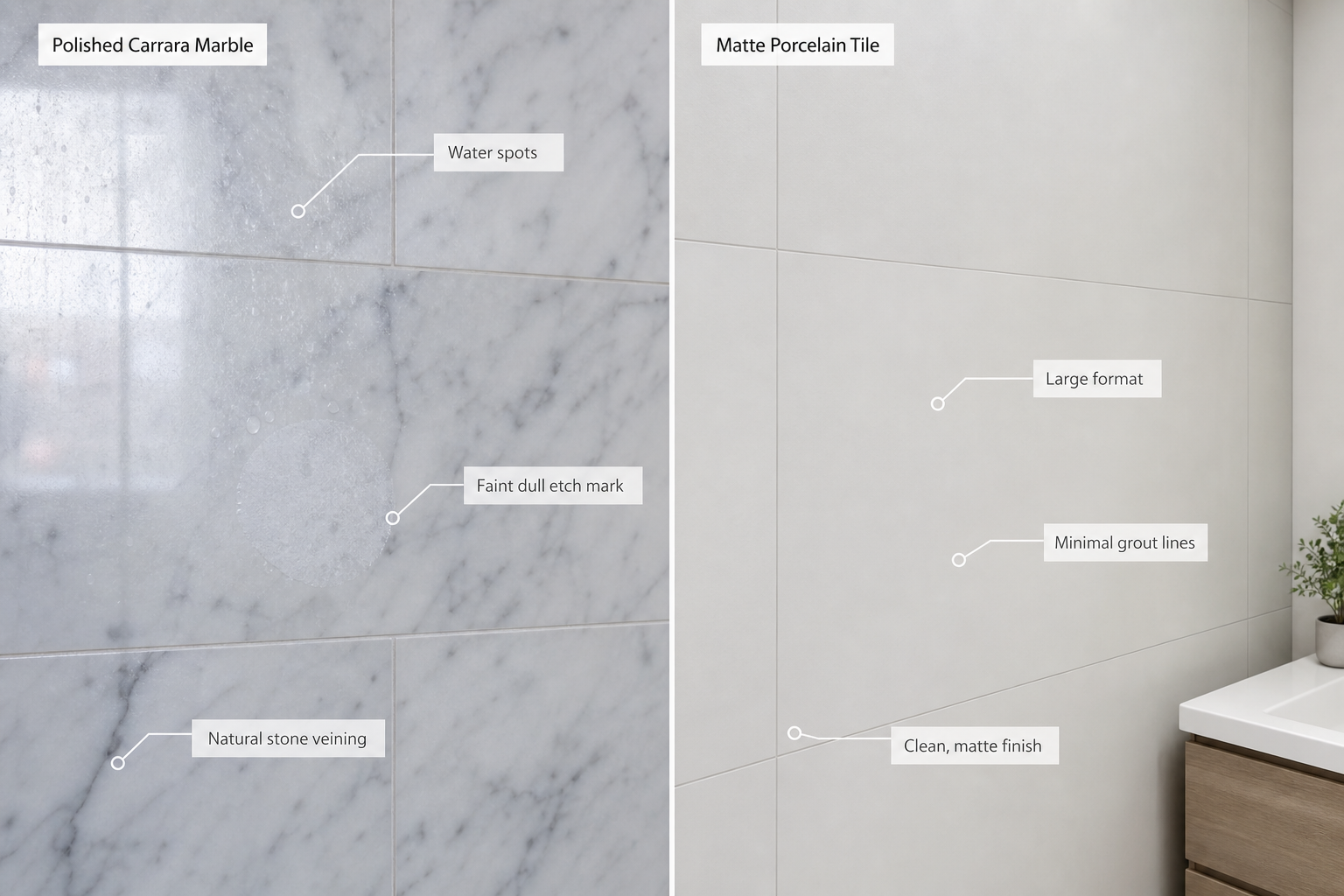
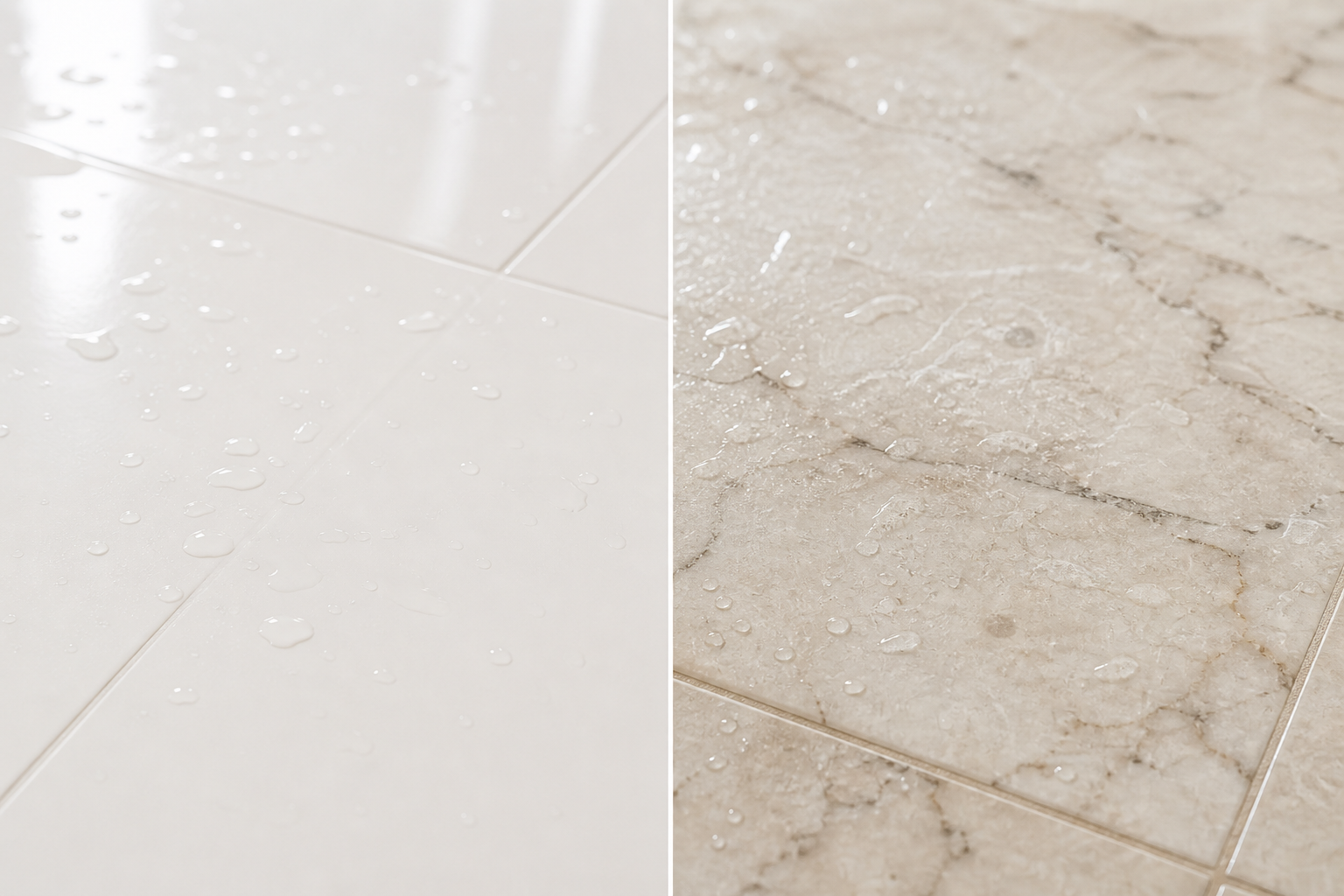
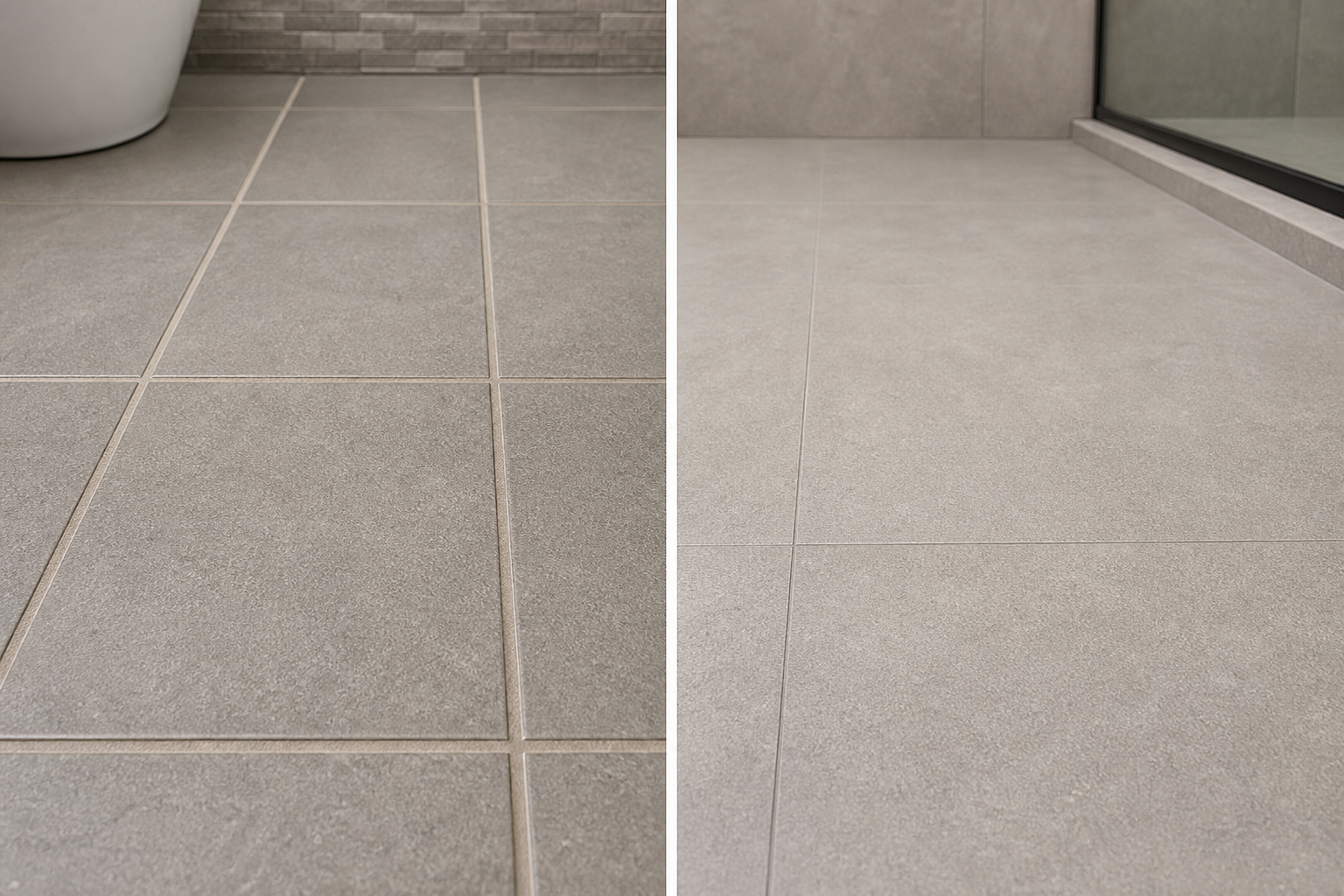
Slip resistance on the floor tile is a safety requirement, not an aesthetic preference. BS 7976 and similar standards classify tile by ramp test ratings, with R10 or R11 recommended for wet room floors. Large-format polished porcelain that works on a dry bathroom floor may be inappropriate in a wet room where soapy water covers the entire surface daily.
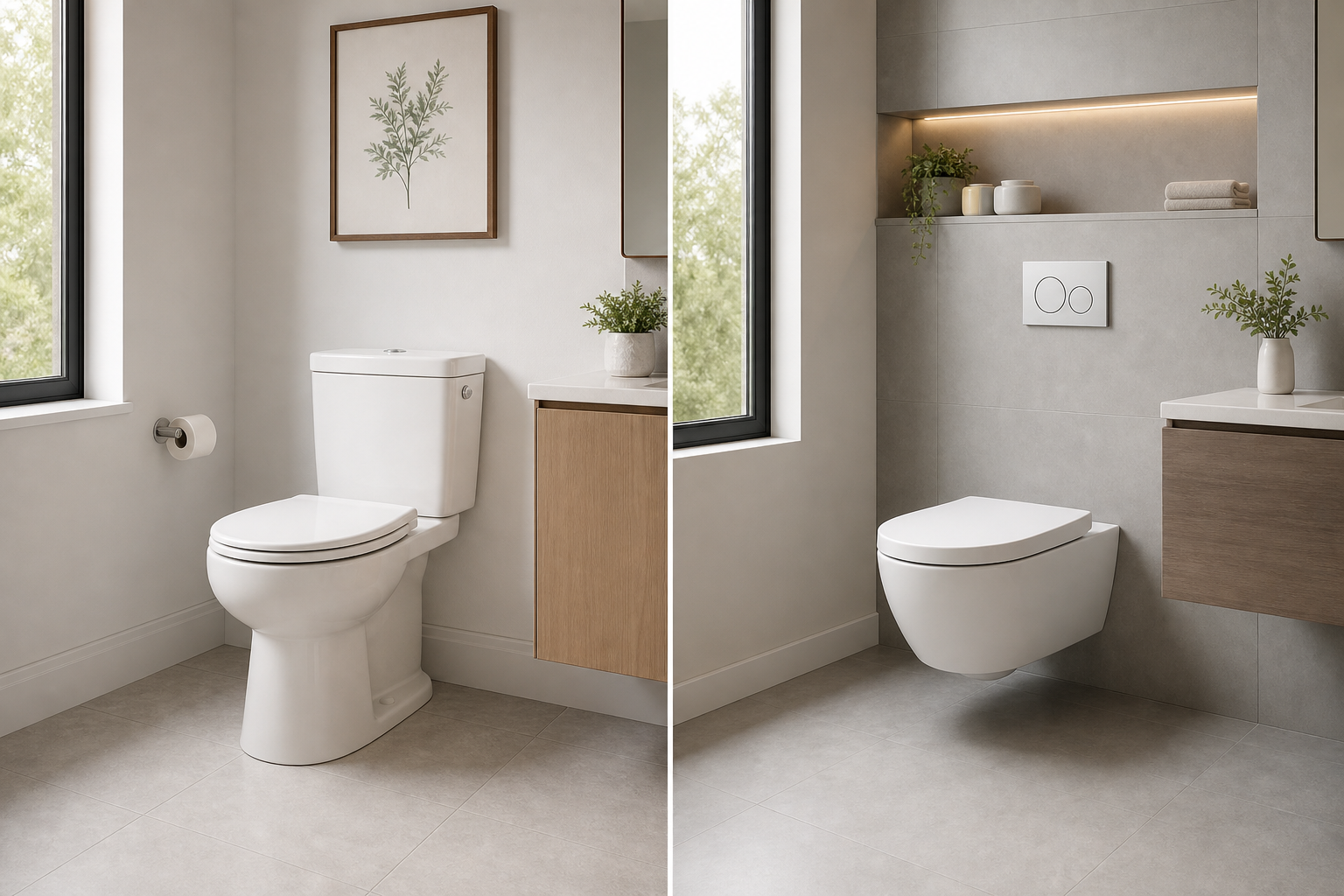
Fixtures outside the direct spray zone need deliberate placement. A toilet paper holder positioned in the splash path of a handheld shower will degrade. A vanity with open shelving will absorb humidity. A wood vanity base without adequate clearance from the floor may wick moisture. The layout must assume water travels, not that a glass screen will stop all of it.
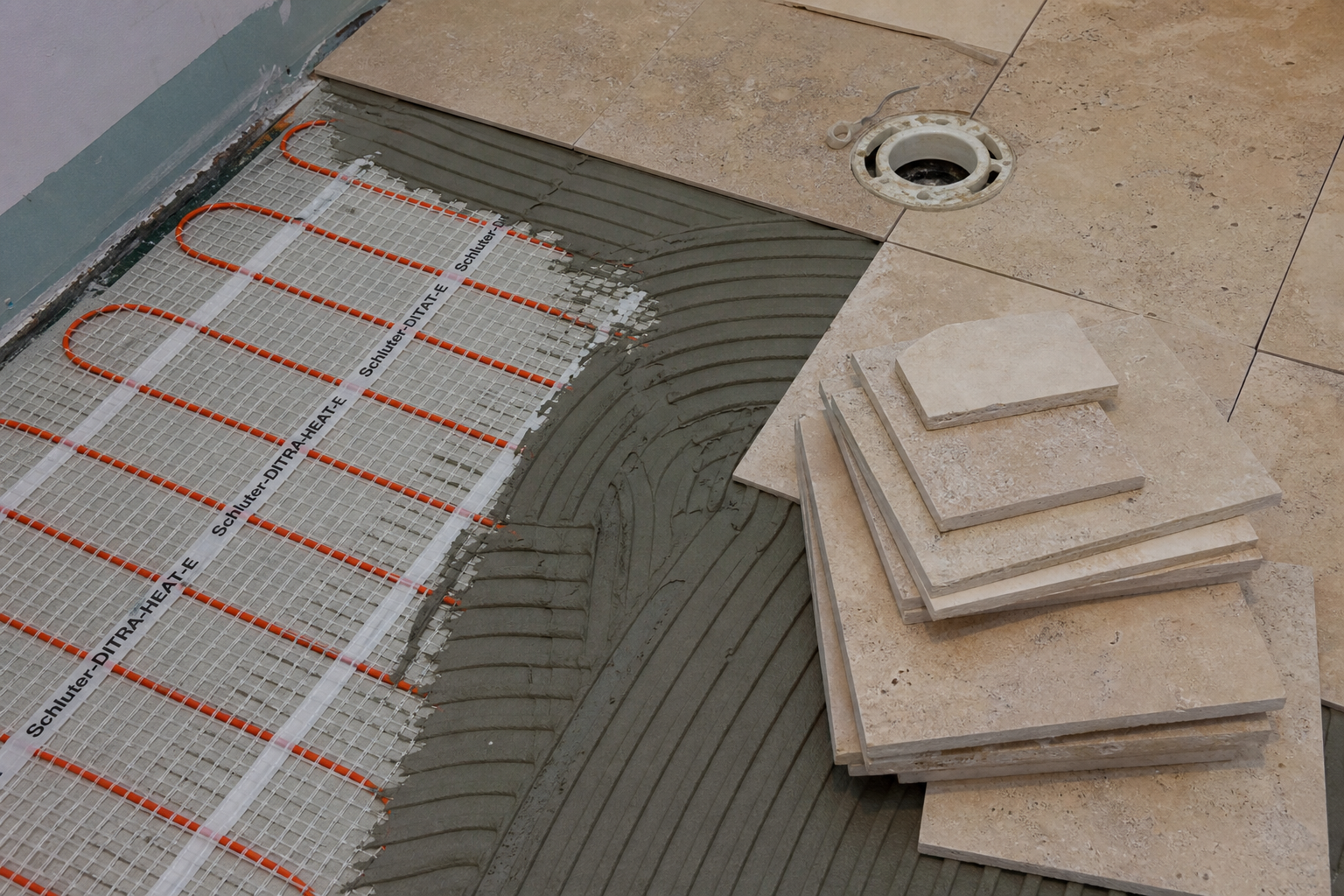
Underfloor heating improves comfort and accelerates drying. It adds cost and requires coordination with the waterproofing layer so that heating elements sit above the tanking envelope and below the tile. The sequence matters. Heat without ventilation produces a warm, humid room that feels pleasant briefly and supports mold growth persistently.
When a Wet Room Is the Right Choice
A wet room earns its cost in specific conditions.
Accessibility is the strongest functional argument. Users who cannot step over a curb, who transfer from a wheelchair, or who expect to age in place benefit from a continuous floor plane. The wet room is not the only accessible solution, but it is among the most elegant when built correctly.
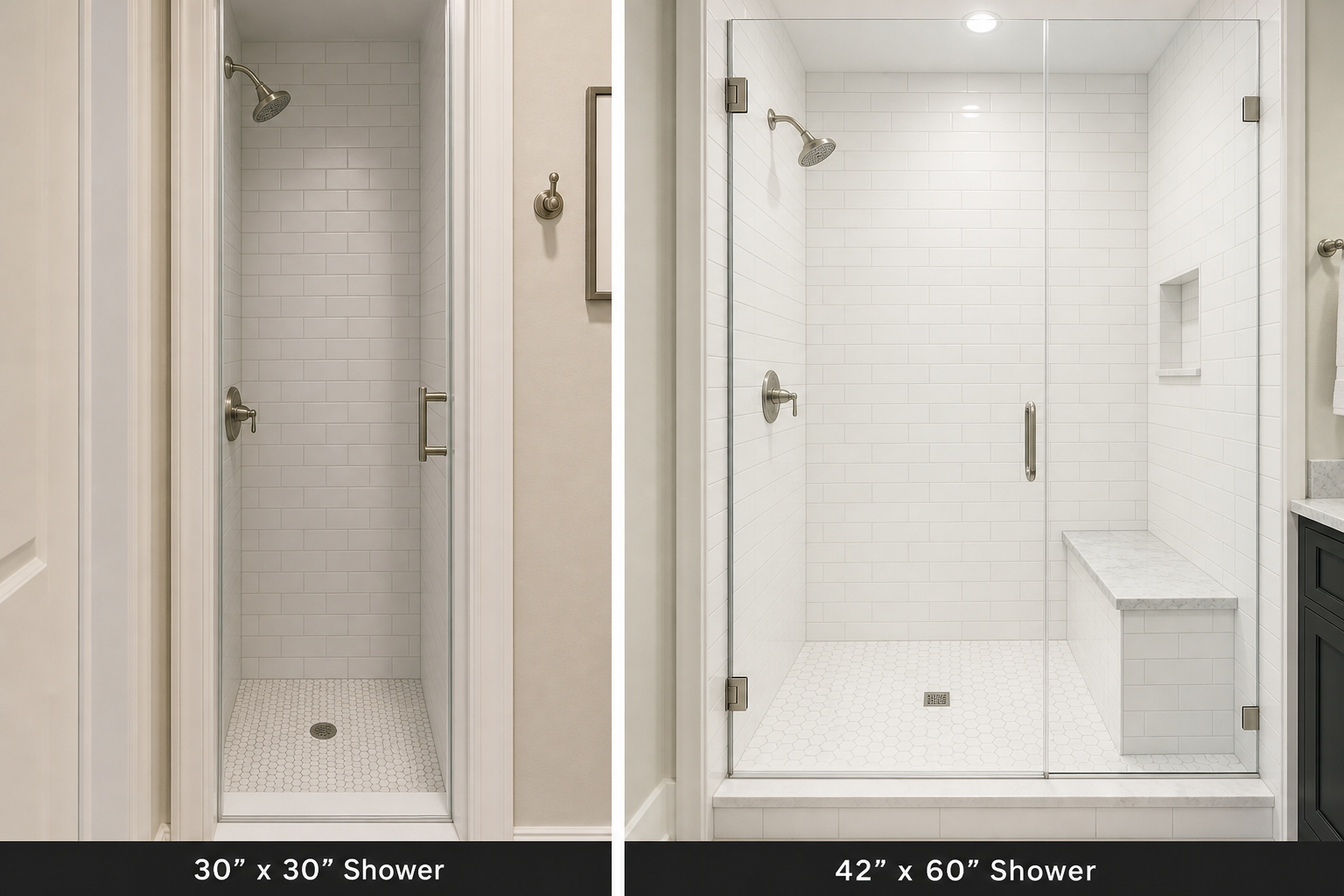
Small primary bathrooms gain perceived space from removing the shower enclosure footprint. A five-by-nine-foot room that dedicates a three-by-three-foot zone to a curbed shower feels divided. The same room as a wet room reads as one volume.
Design intent matters. Homeowners who want spa-like openness and accept that the entire room is a wet environment will love a correctly built wet room. Homeowners who want a dry vanity zone where toiletries stay pristine may be frustrated regardless of how well the room is built.
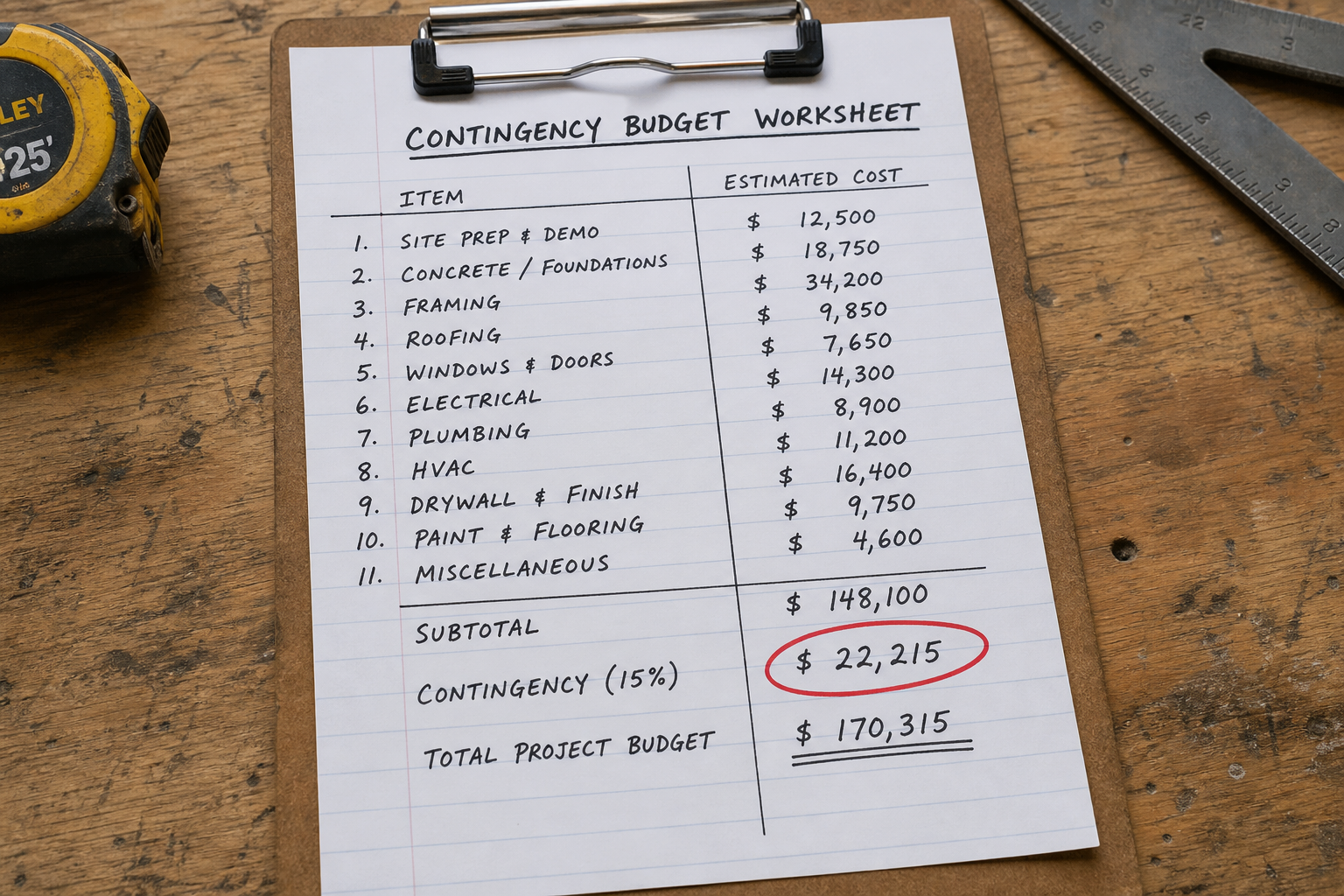
Budget must account for the full system, not the tile upgrade. Professional wet room installations in the UK market range from roughly six thousand to fourteen thousand pounds for a three-to-five square meter room, with waterproofing, formers, drainage, and ventilation driving cost more than finish tile selection. North American pricing varies by market but follows the same ratio: the invisible work exceeds the visible work.
When a Standard Shower Is the Better Answer
Not every bathroom should become a wet room.
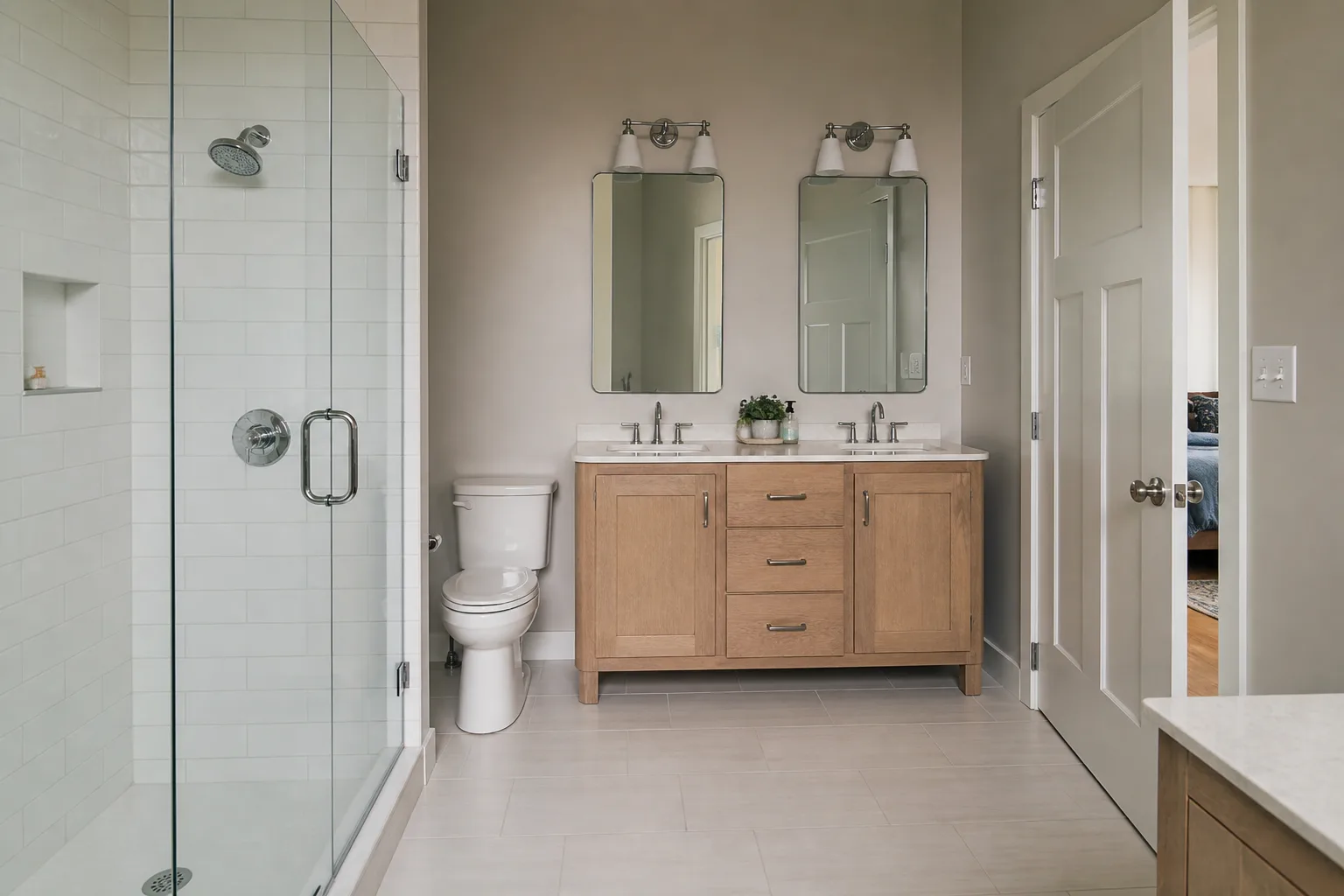
Guest baths with occasional shower use do not need full-room tanking. A well-built curbless or curbed shower with ANSI A118.10 waterproofing in the receptor zone delivers most of the accessibility benefit at lower cost and lower risk.
Households with children who splash outside any enclosure may prefer a curbed shower that contains water even when the drain is momentarily overwhelmed. The curb is a redundancy layer. Wet rooms eliminate that redundancy by design.
Budget-constrained renovations that cannot afford full-floor tanking, structural reinforcement, and upgraded drainage should not simulate a wet room aesthetically with a flat floor and hope. A curbless entry into a properly waterproofed shower receptor is a legitimate intermediate solution. A flat bathroom floor with standard waterproofing and a linear drain but without full tanking is a wet room in appearance only, and it will fail as one.
Second-floor installations over finished spaces demand higher confidence in the installer and the system than ground-floor baths over crawl space or slab. The cost of failure includes the ceiling below, not just the bathroom itself.
We treat wet room projects differently than shower replacements at the estimating stage. The waterproofing system, slope, and drain specification are all drawn before anything else is priced.