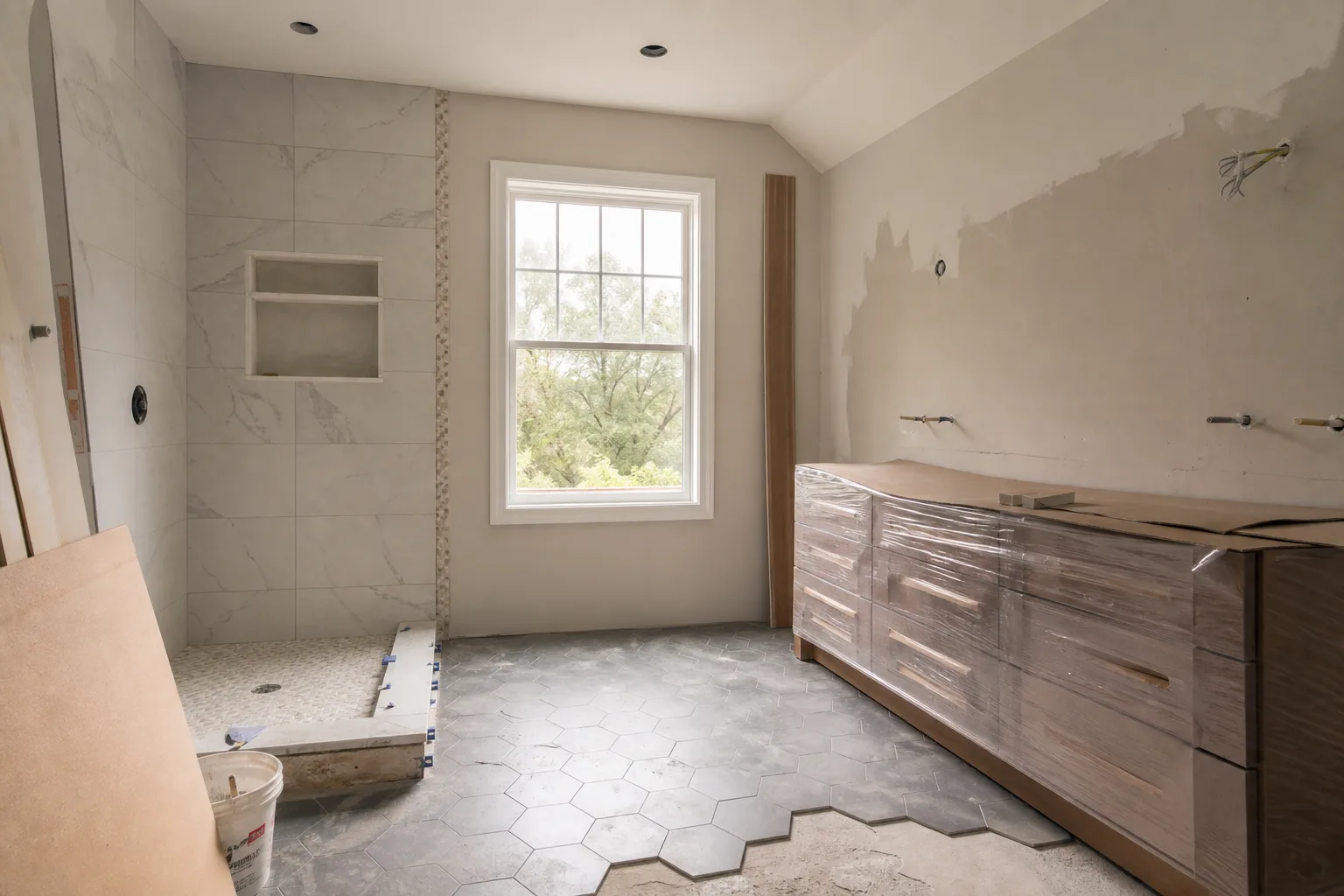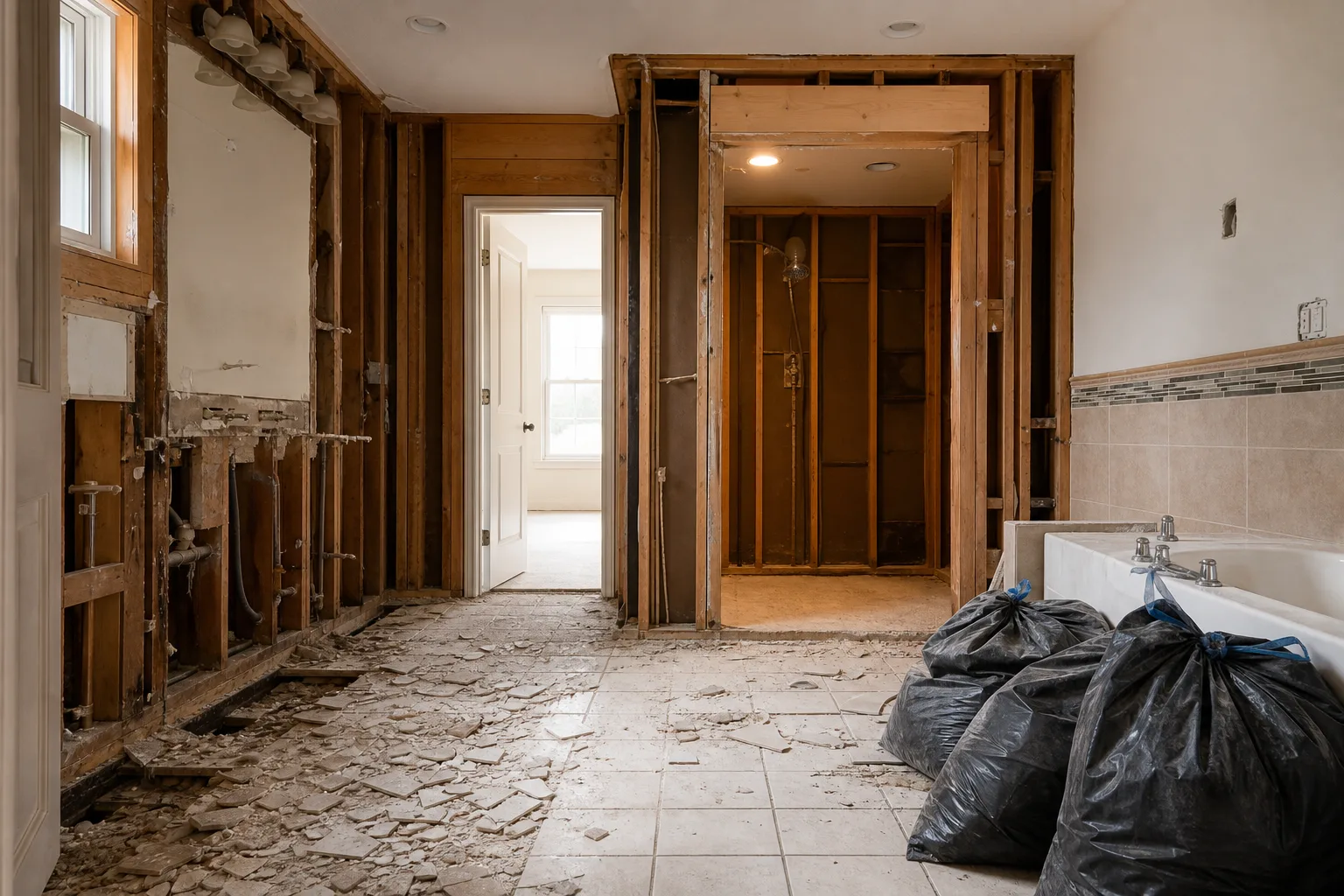
The lowest bid is not always wrong. Sometimes a contractor has a leaner operation, a better supplier relationship, a simpler schedule, or a clearer understanding of the work. A fair price does not become suspicious simply because it is lower.
But the lowest bathroom remodel bid is often the most expensive when it is low for the wrong reason. Not because the number is evil. Because the number is incomplete.
A bathroom is a small room that asks for many trades in a tight order: demolition, framing, plumbing, electrical, ventilation, waterproofing, tile, cabinetry, glass, paint, finish plumbing, and final punch. It also hides risk behind walls and under floors. A low bid can be a real efficiency. It can also be a stack of assumptions waiting to become change orders.
The homeowner's job is not to punish the low bid or worship the high one. The job is to understand what each bid is actually promising.
That requires reading the bid as an argument.
A Bid Is A Story About The Future
Every bathroom proposal tells a story. It says: here is what we believe the room needs, here is what we believe it will take, here is what we included, here is what we excluded, here is what we are assuming, and here is how much uncertainty we are asking you to carry.
The trouble is that most proposals do not say all of that plainly. They compress the story into line items. "Tile installation." "Plumbing." "Vanity." "Allowance." "Waterproof shower." The homeowner sees numbers. The contractor sees scope. The gap between those two perspectives is where disappointment grows.
Two bids can both say "primary bathroom remodel" and describe very different projects.
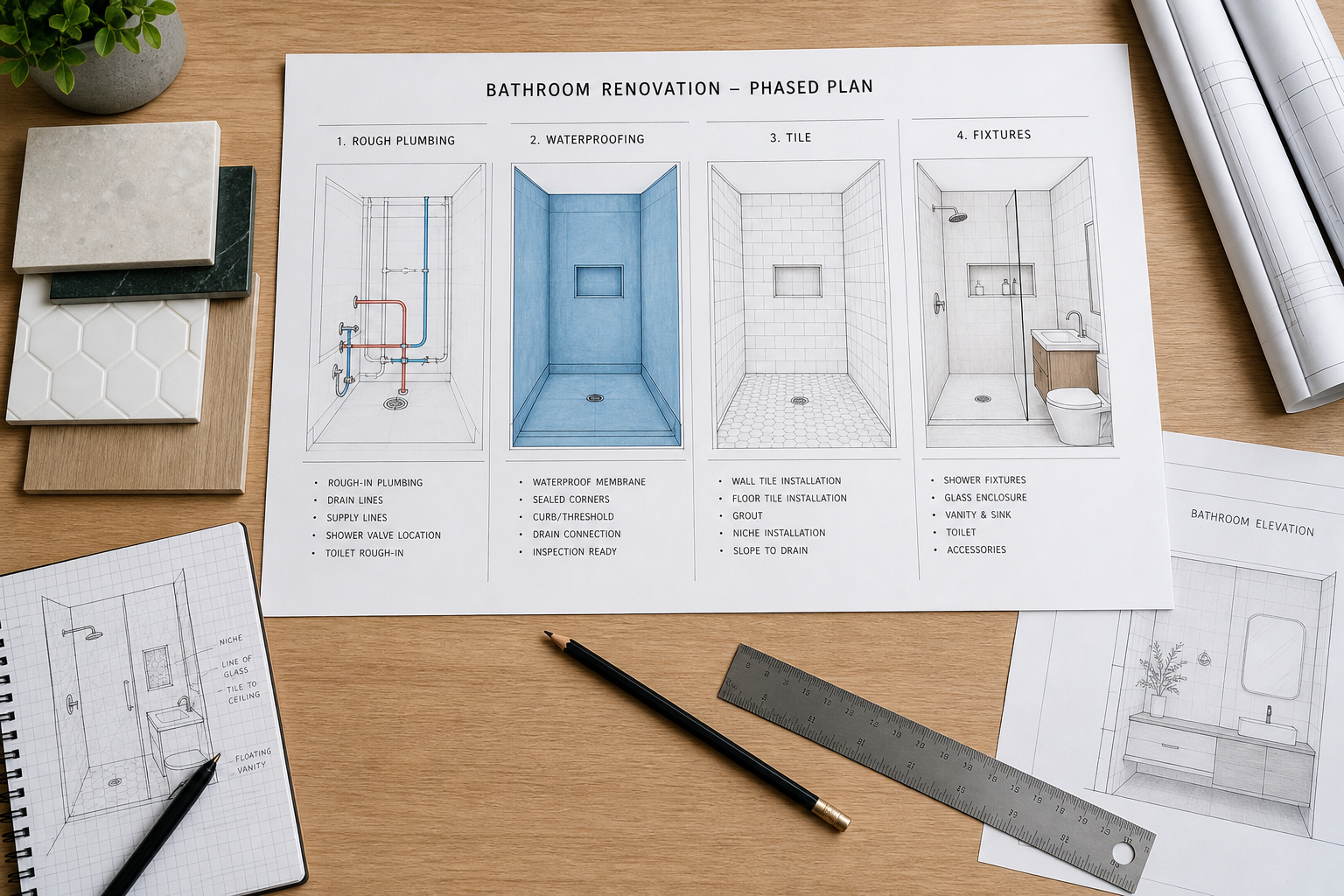
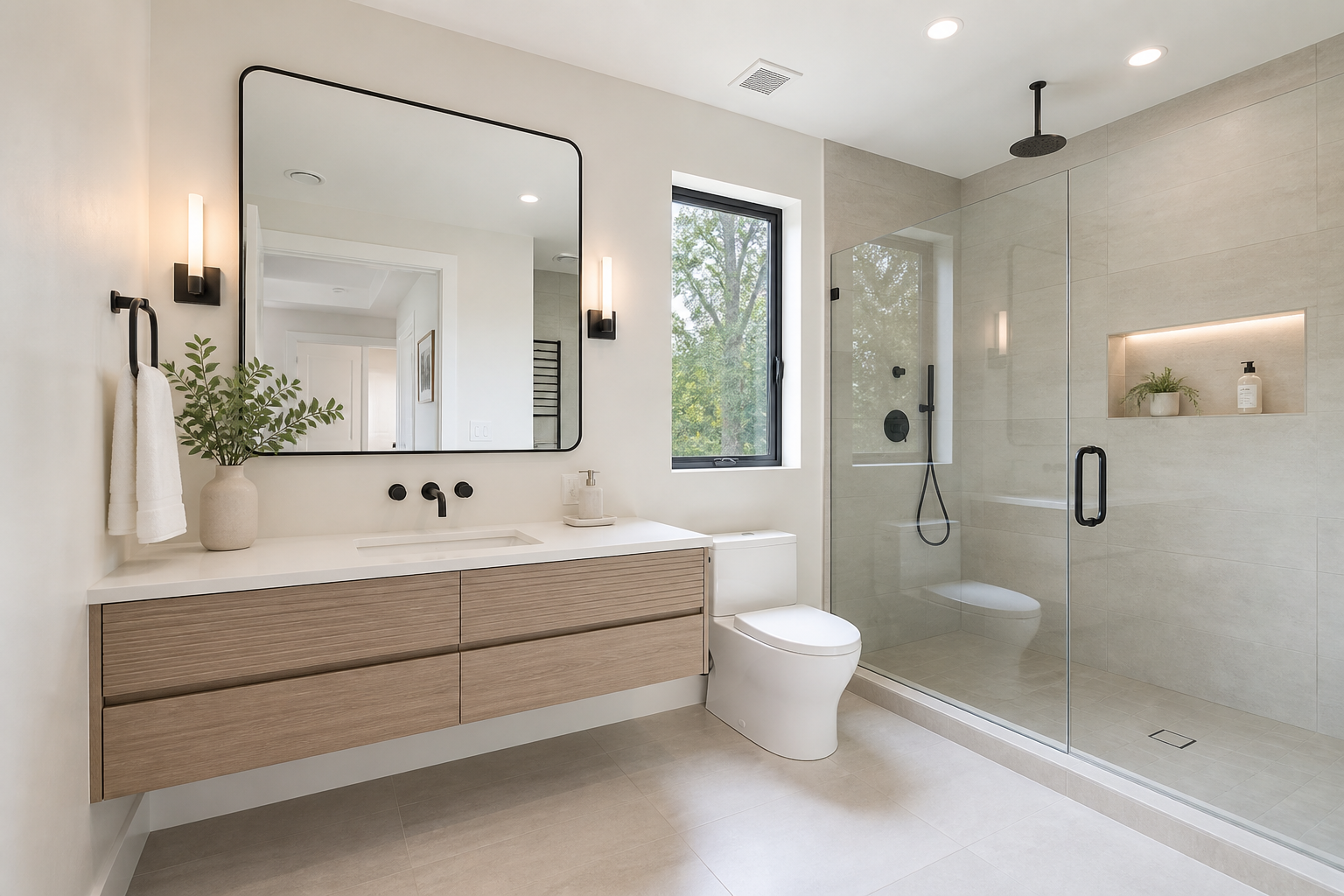
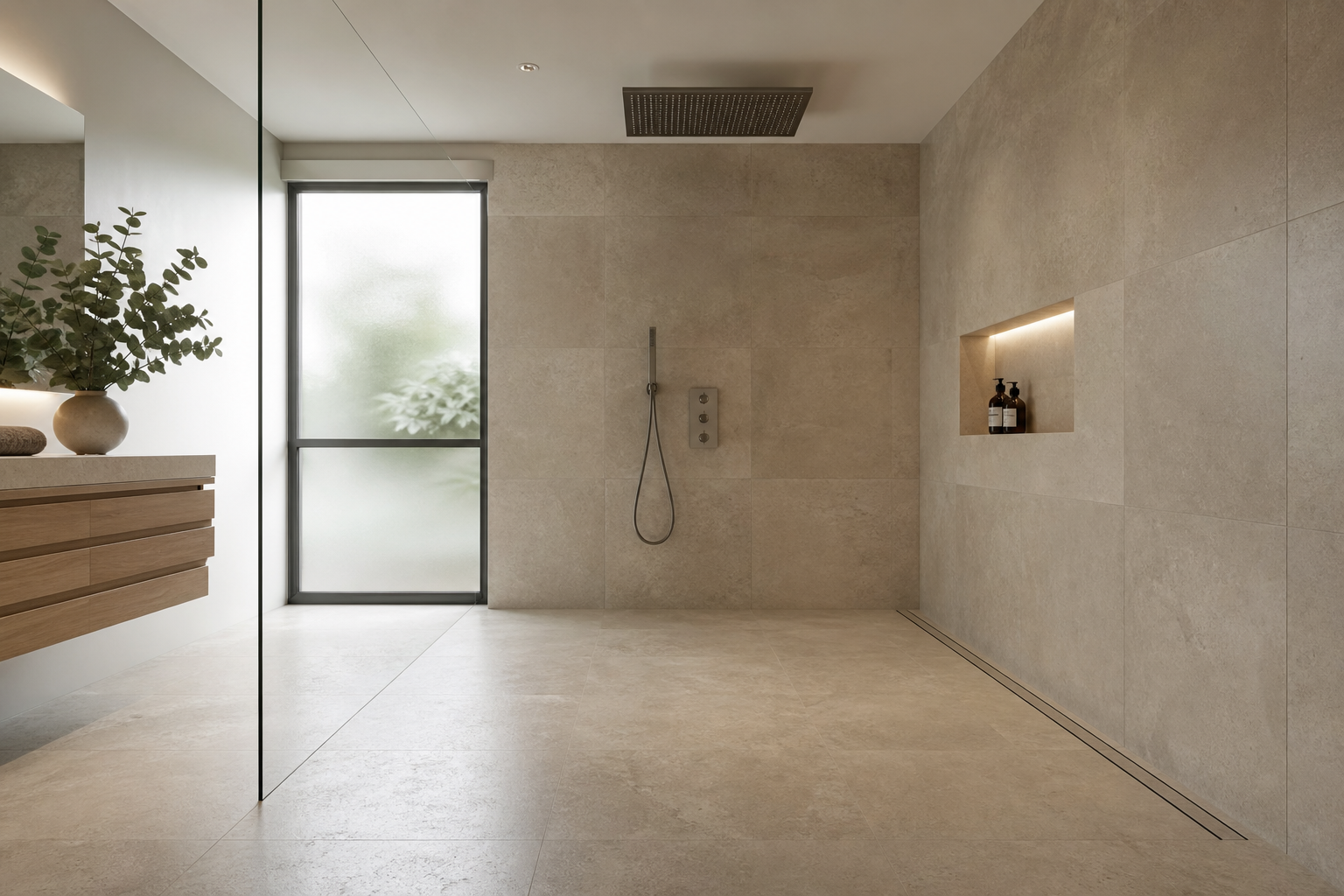
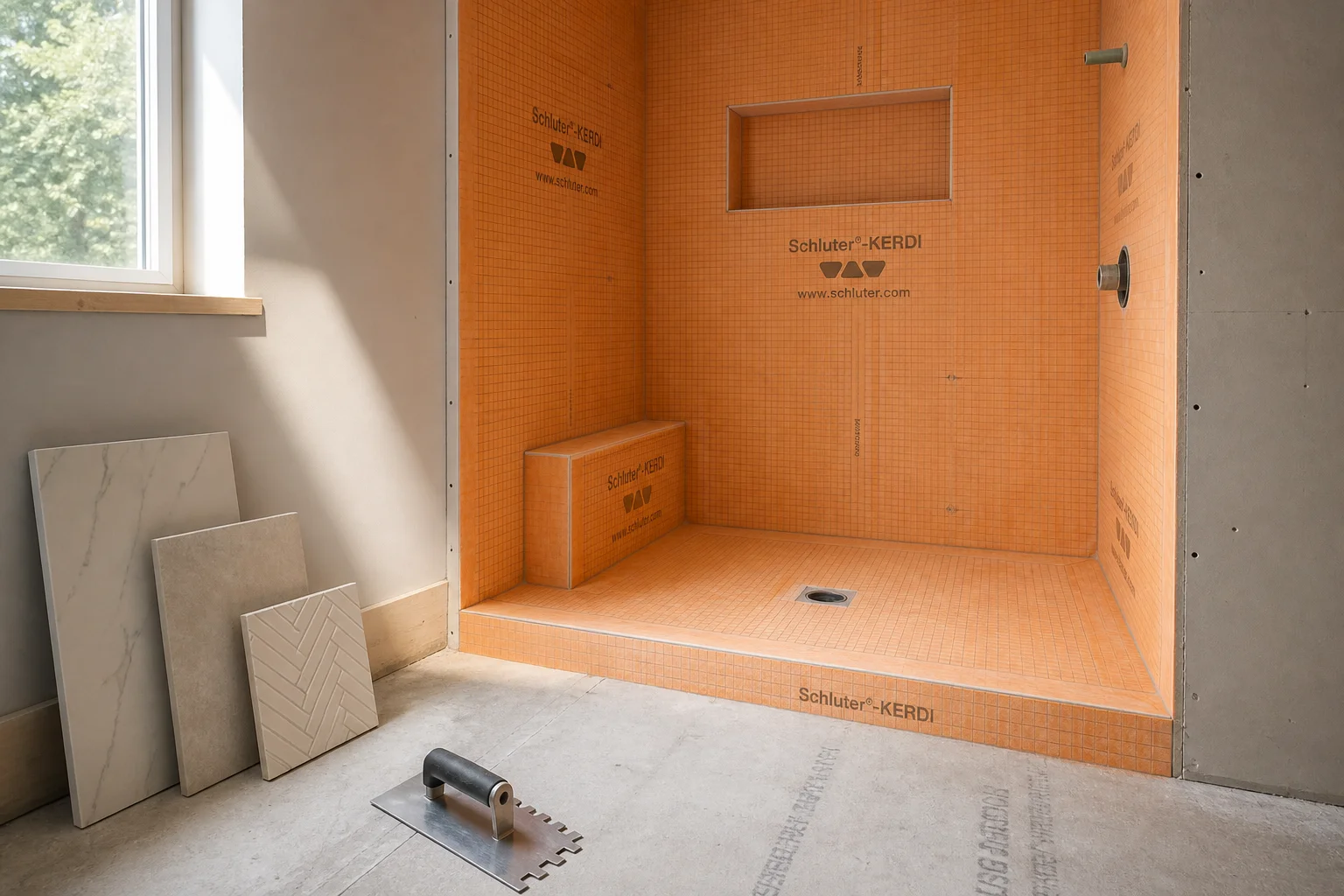
One bid may include demolition to the studs, subfloor repair allowance, upgraded ventilation, a named waterproofing system, flood test, large-format tile installation with substrate prep, recessed niche waterproofing, custom glass templating, finish plumbing, permits, and final cleanup.
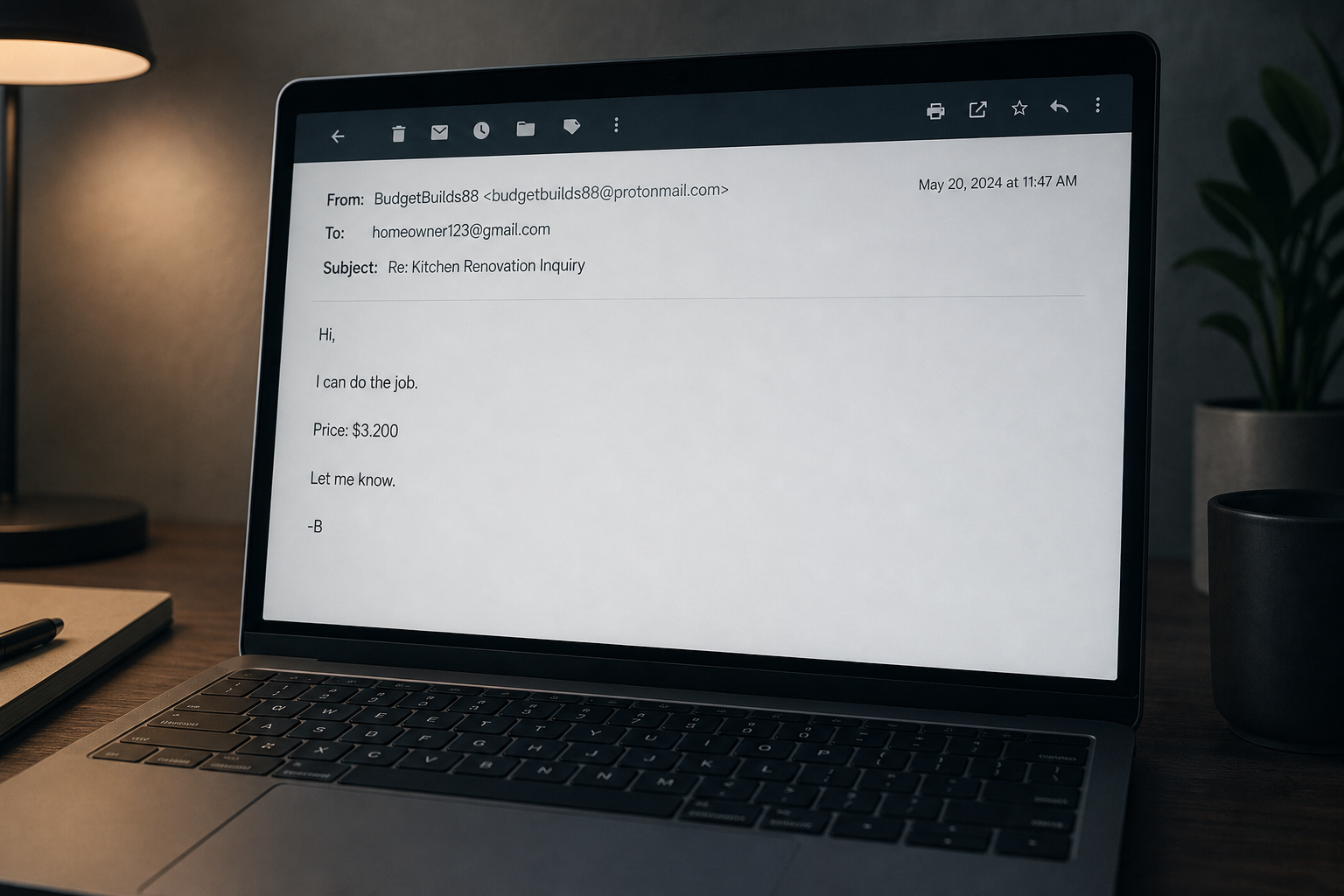
Another may include "demo, tile, vanity, fixtures" and a set of allowances that seem generous until the selections are made.
Those are not the same bid. They are different futures.
The Allowance Trap
An allowance is a placeholder amount for something that has not been selected or fully priced yet. Allowances are not inherently bad. They are often necessary early in planning, especially before tile, fixtures, lighting, glass, cabinetry, and hardware are finalized.
The problem is low allowances masquerading as real prices.
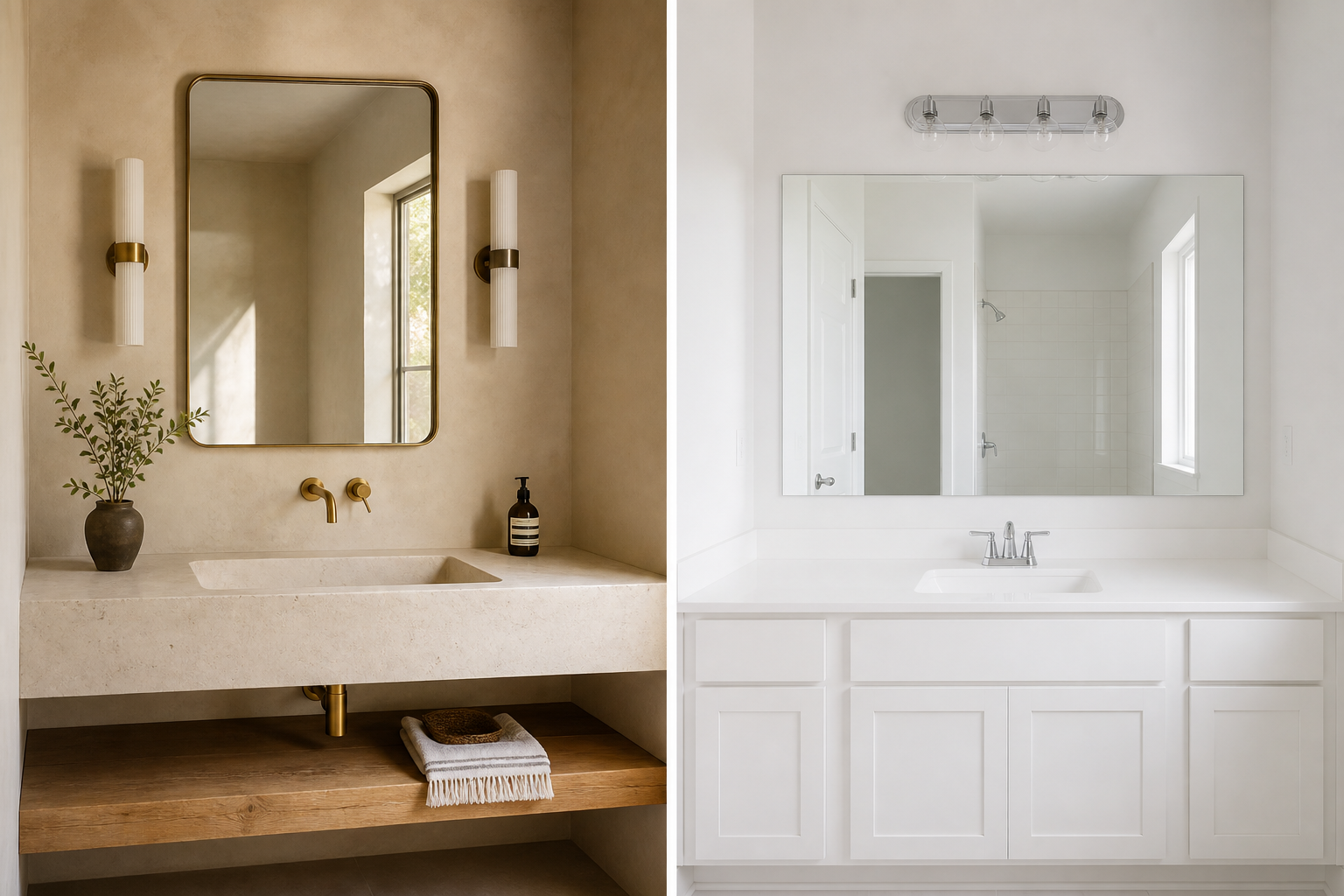
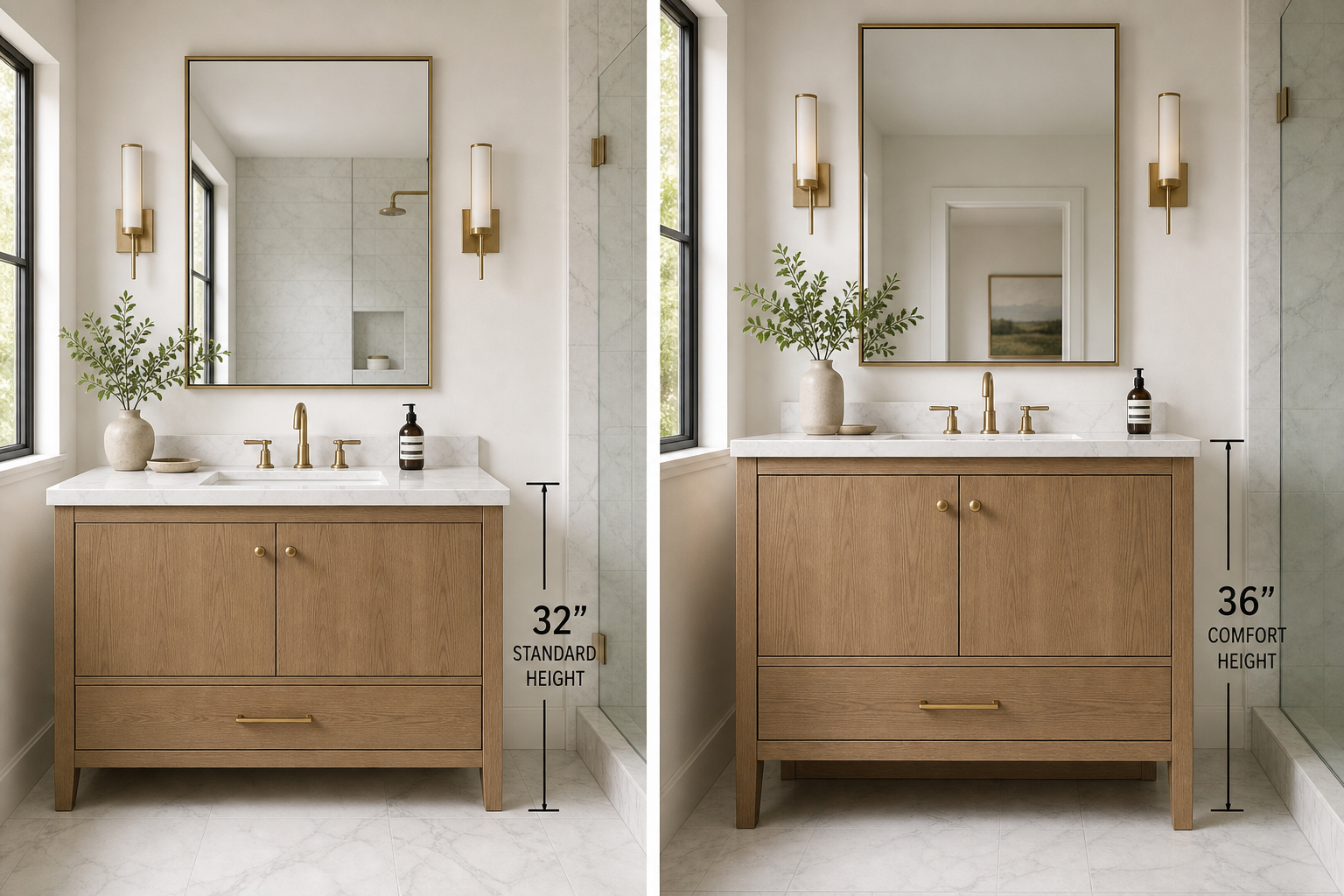
If a bid carries a vanity allowance that only covers a stock cabinet, but the design conversation assumes custom storage, the bid is not cheaper. It is postponing the price. If the tile allowance covers the least expensive field tile but the inspiration images show handmade tile, slab-look porcelain, or a detailed layout, the bid is not cheaper. It is waiting for the homeowner to discover the mismatch emotionally, after they are already committed.
This is one of the most painful kinds of remodel stress because nobody has to lie for it to happen. The contractor may think the allowance is clear. The homeowner may think the allowance means the item is covered. Both are wrong in different ways.
The better question is: what real-world product does this allowance buy?
Ask for examples. If the bid includes a $X tile allowance, ask: what tile, from what supplier, at what square footage, with what waste factor, and does that include trim, profiles, setting materials, grout, and freight? If the bid includes a plumbing-fixture allowance, ask whether it includes rough valves, finish trim, drains, supply lines, accessories, and any compatibility pieces.
An allowance should be a window, not a fog machine.
The Missing Scope Problem
The lowest bid often wins by not naming the work that a bathroom actually needs.
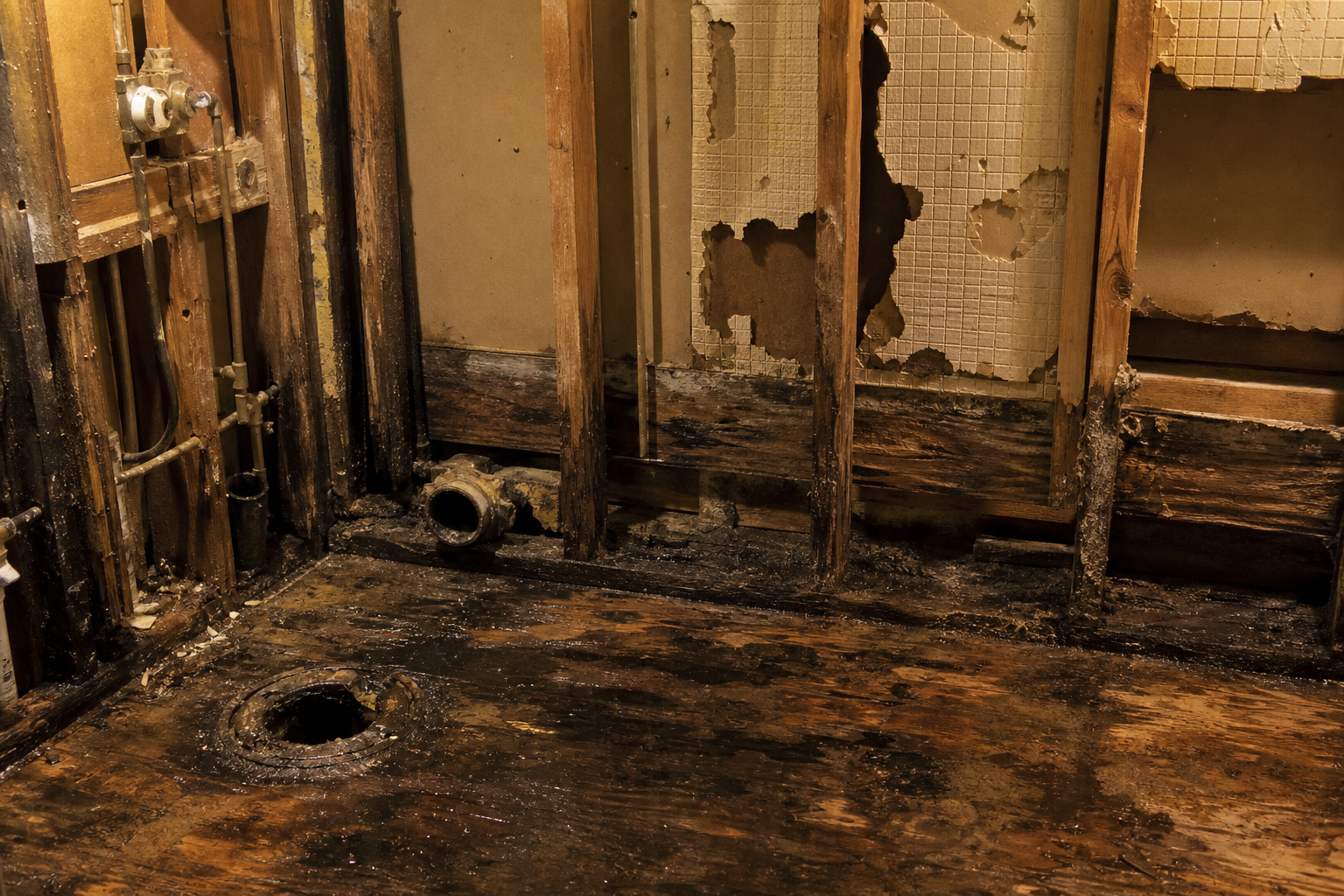
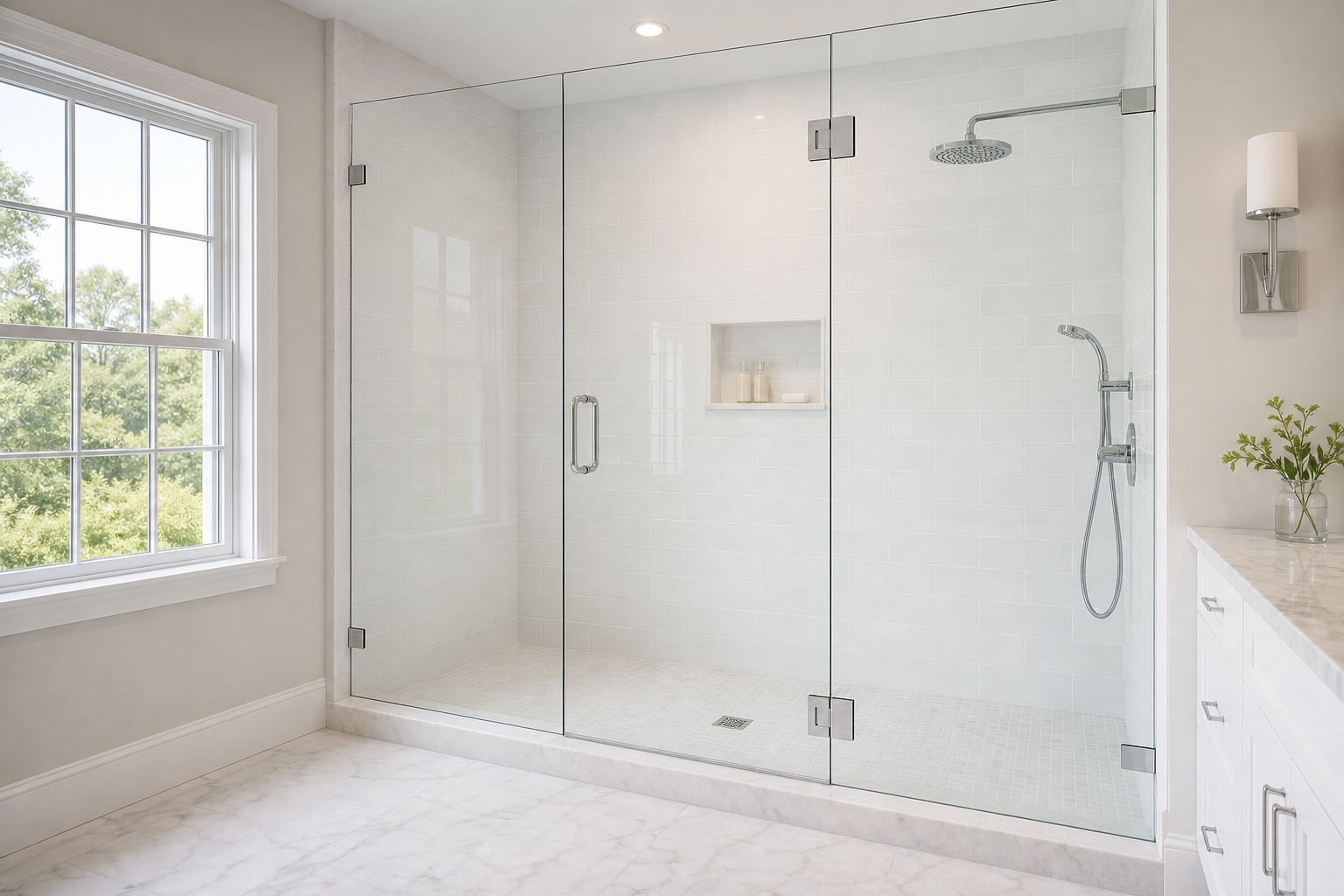
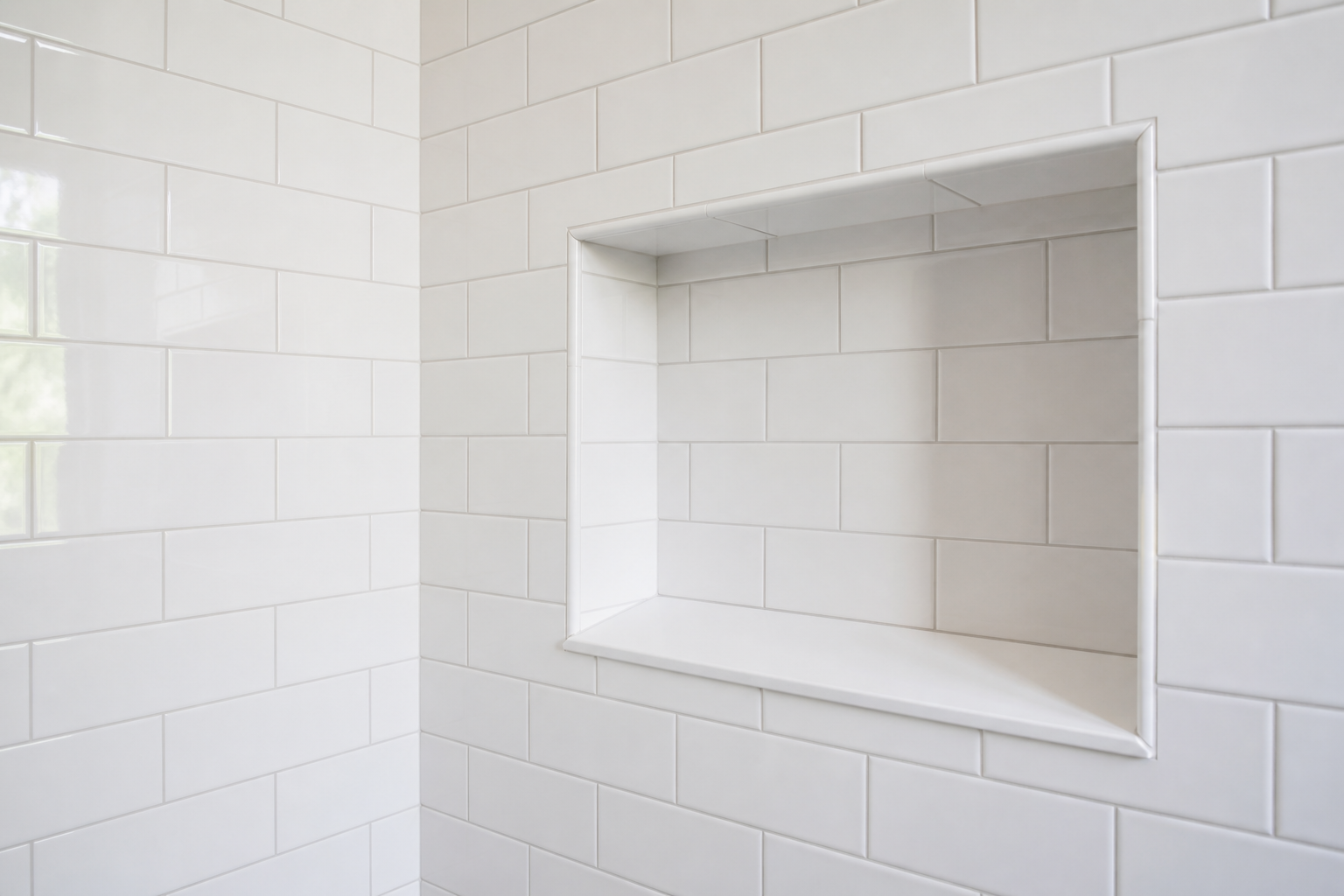
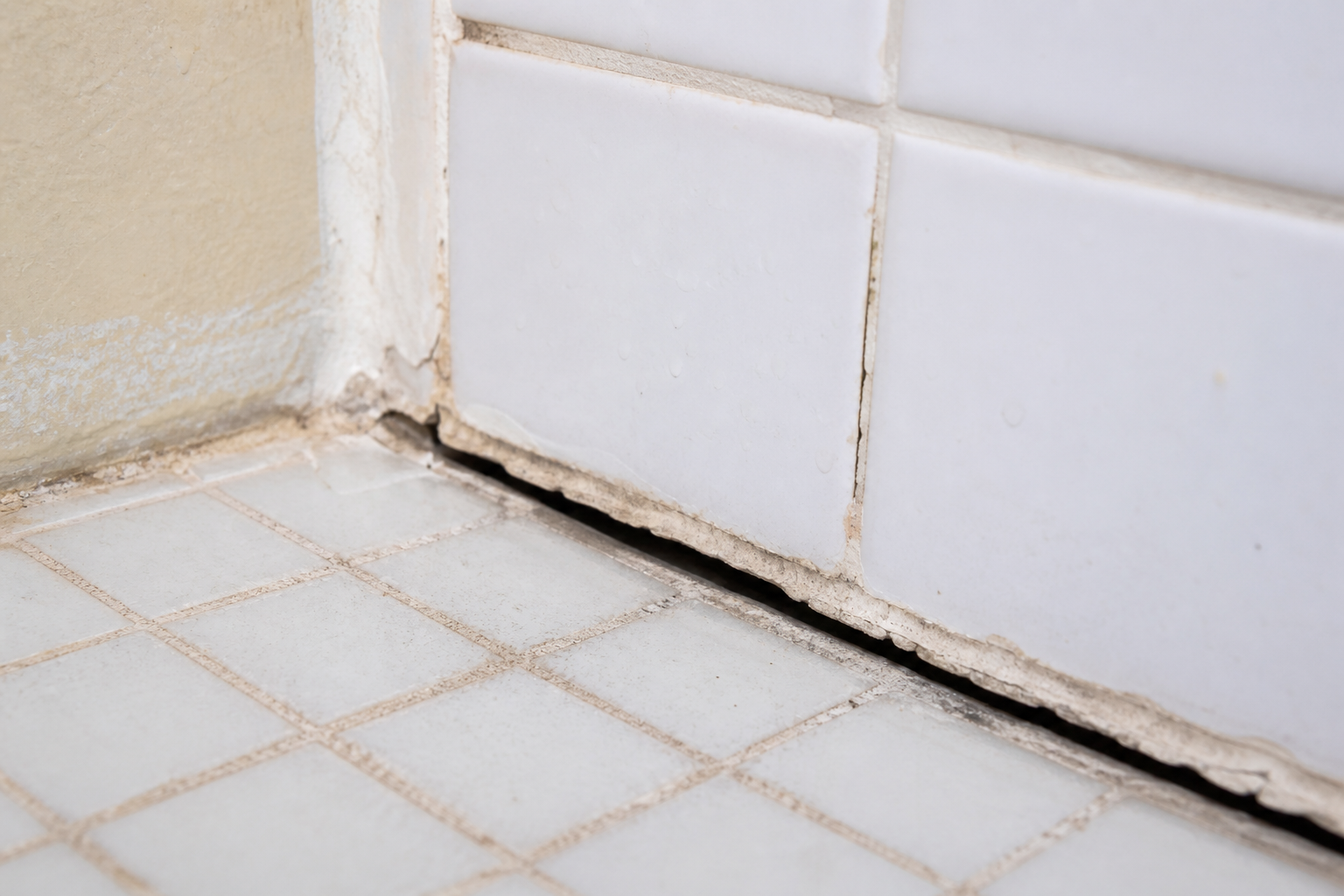
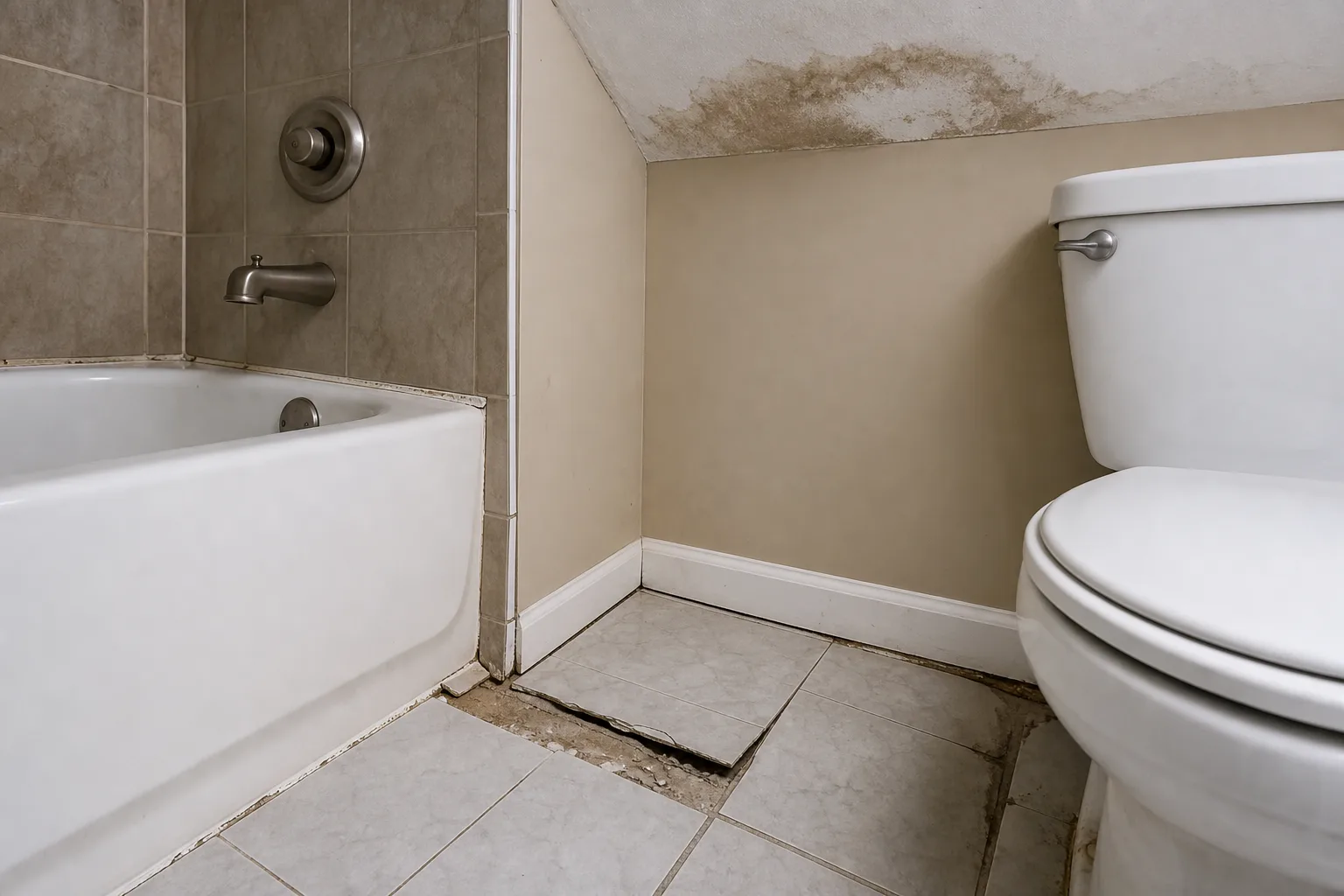
Ventilation may be vague. Waterproofing may be generic. Electrical may exclude relocating outlets or adding dedicated circuits. Tile may exclude substrate flattening. The shower glass may be a placeholder. Permits may be excluded. Wall repair after plumbing changes may be excluded. Disposal, protection, dust control, and final cleaning may be thin.
None of these omissions look dramatic on day one. They become dramatic when the project is underway and the bathroom is already torn apart.
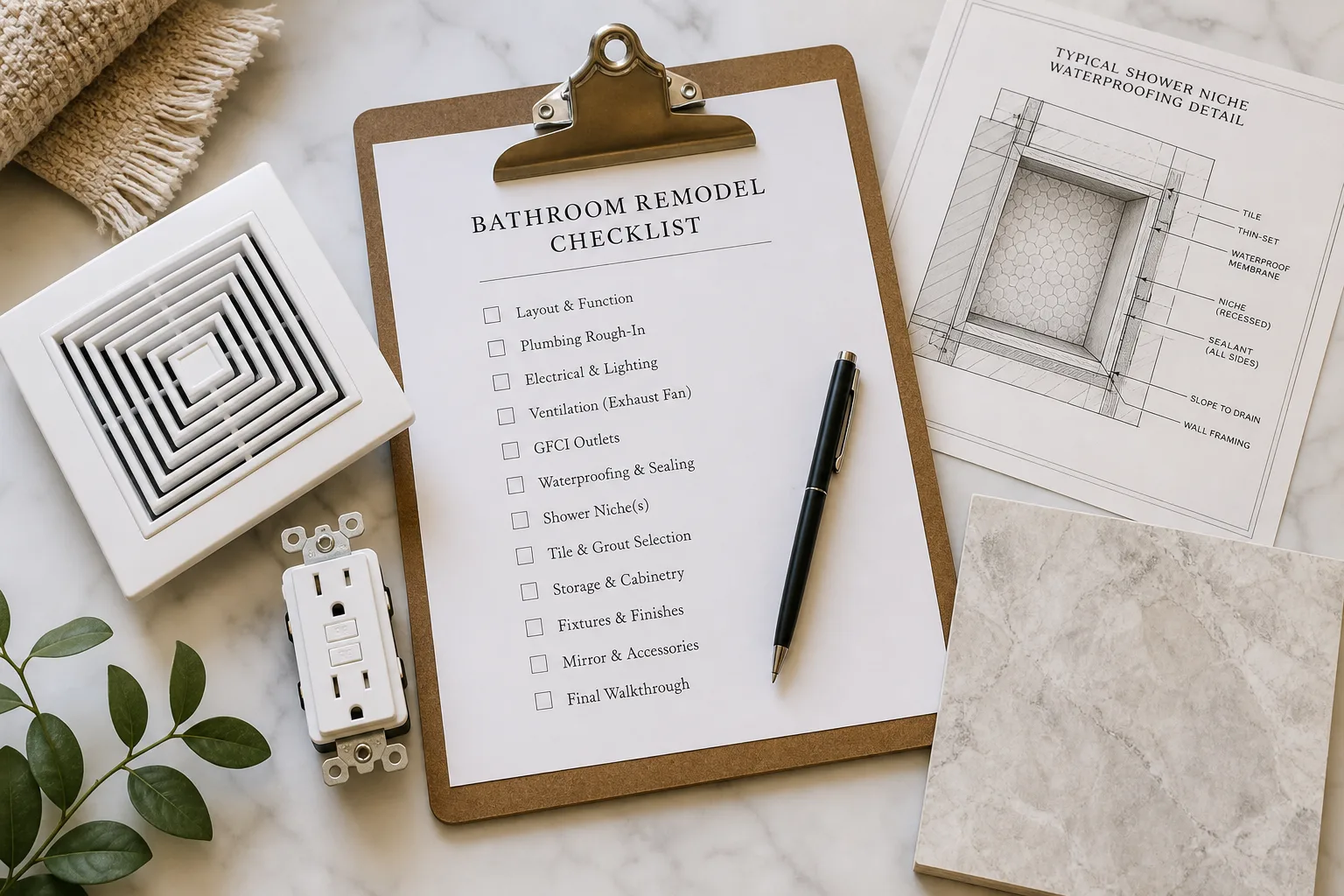
This is why a homeowner comparing bids should build a scope checklist. Do not compare totals first. Compare named responsibilities:
- Demolition and debris removal
- Floor and wall protection outside the bathroom
- Framing and subfloor repair assumptions
- Plumbing rough-in and finish plumbing
- Electrical rough-in, lighting, outlets, switches, and fan controls
- Ventilation duct routing
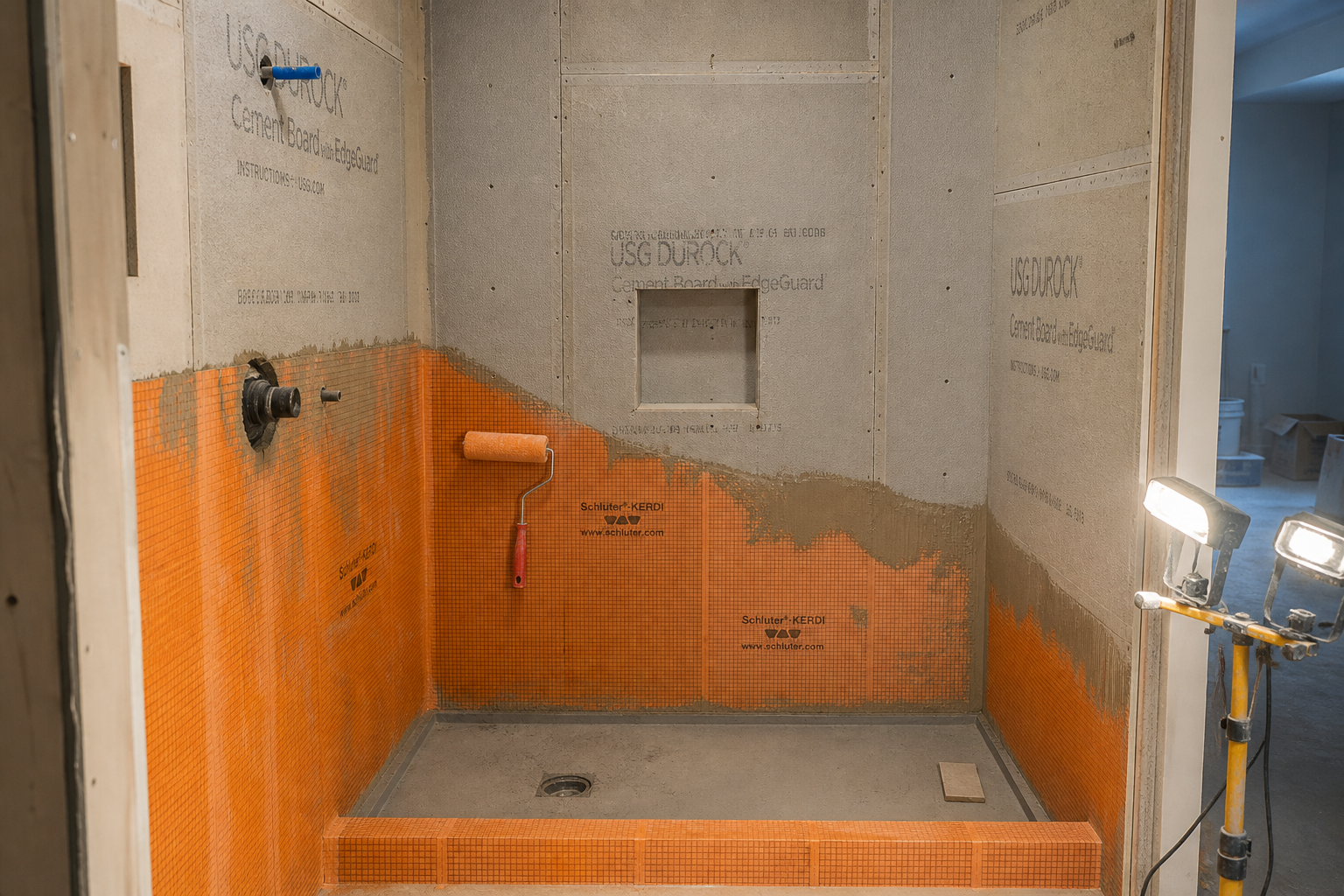
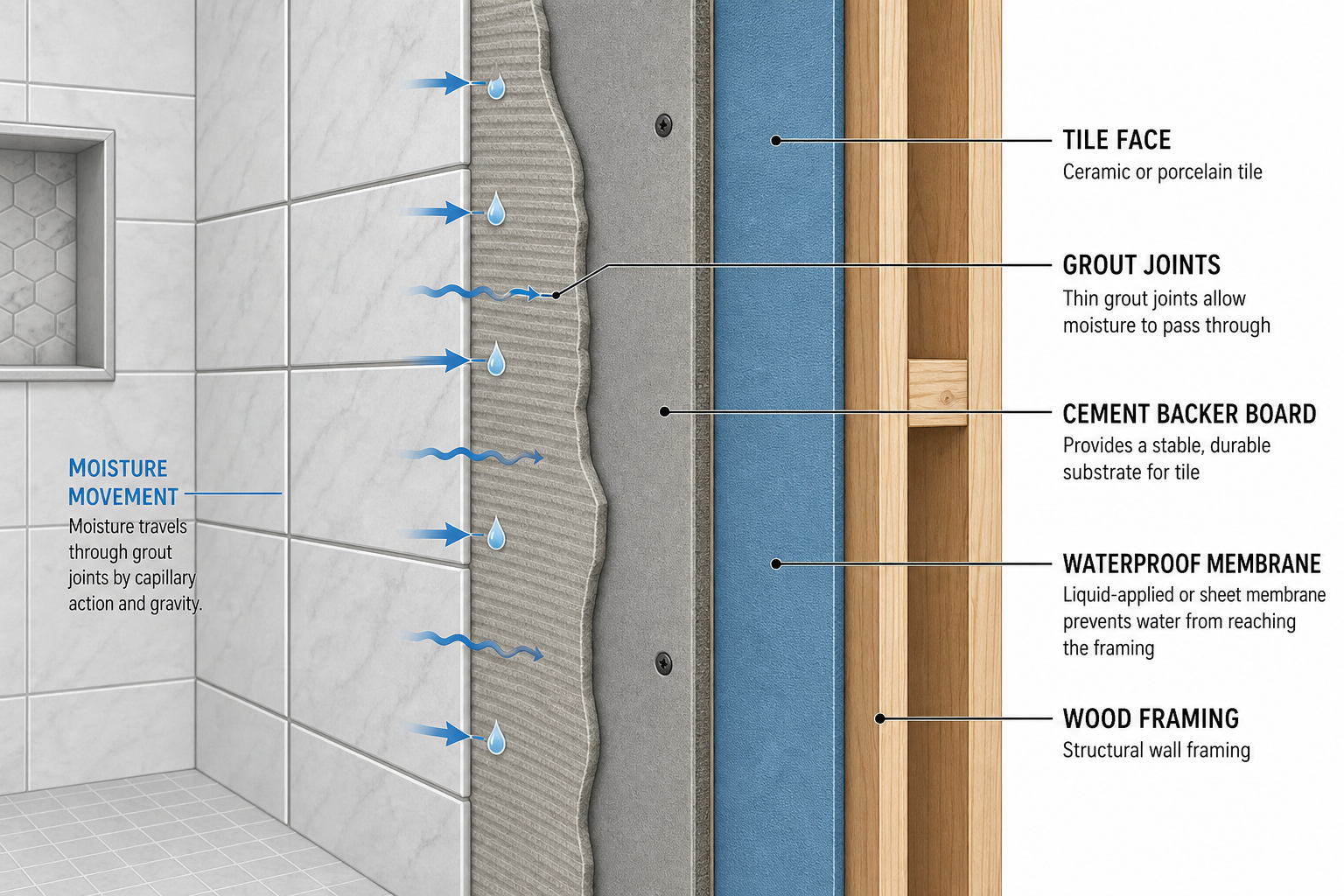
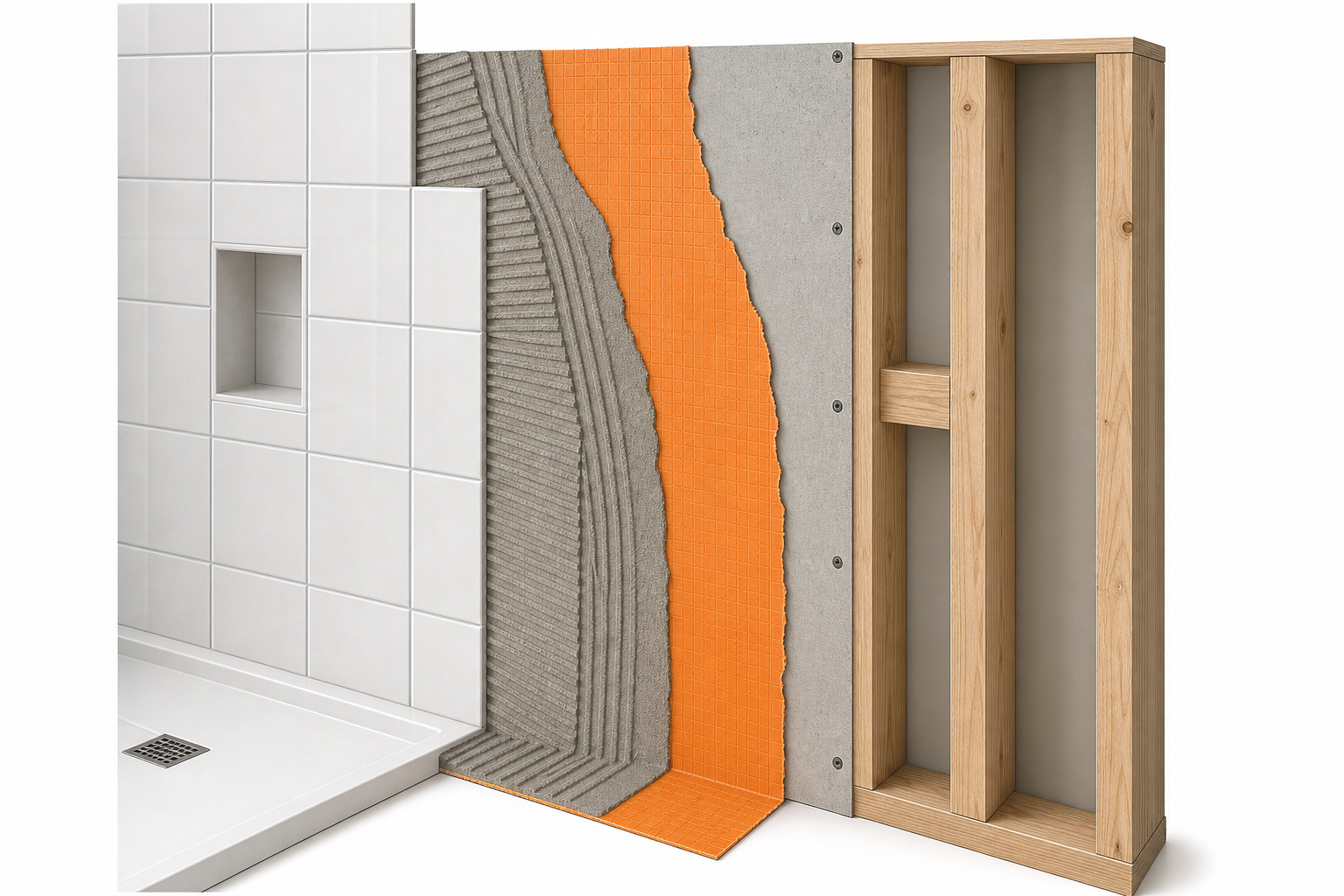
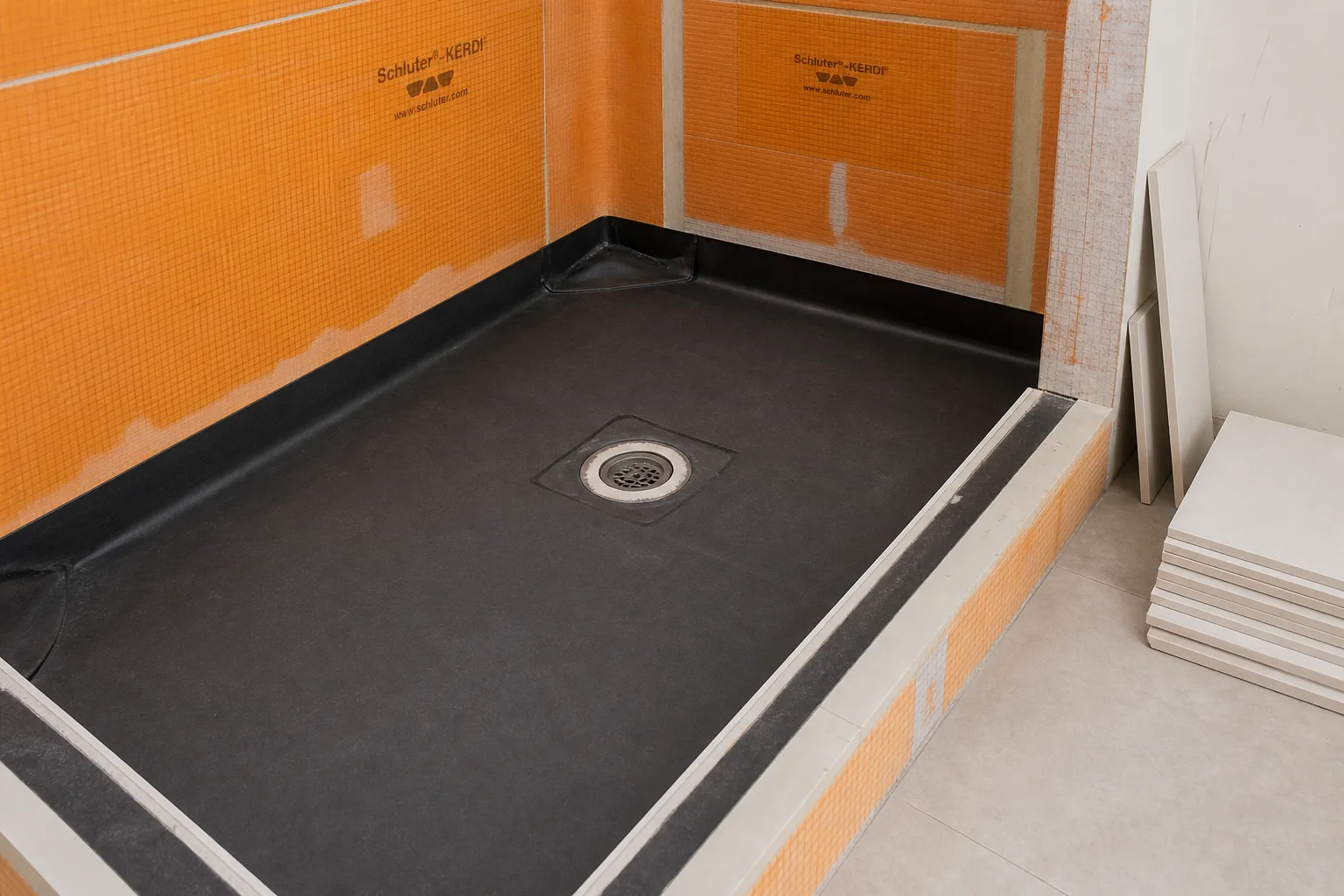
- Waterproofing system by name
- Shower flood test
- Tile substrate prep
- Tile layout planning
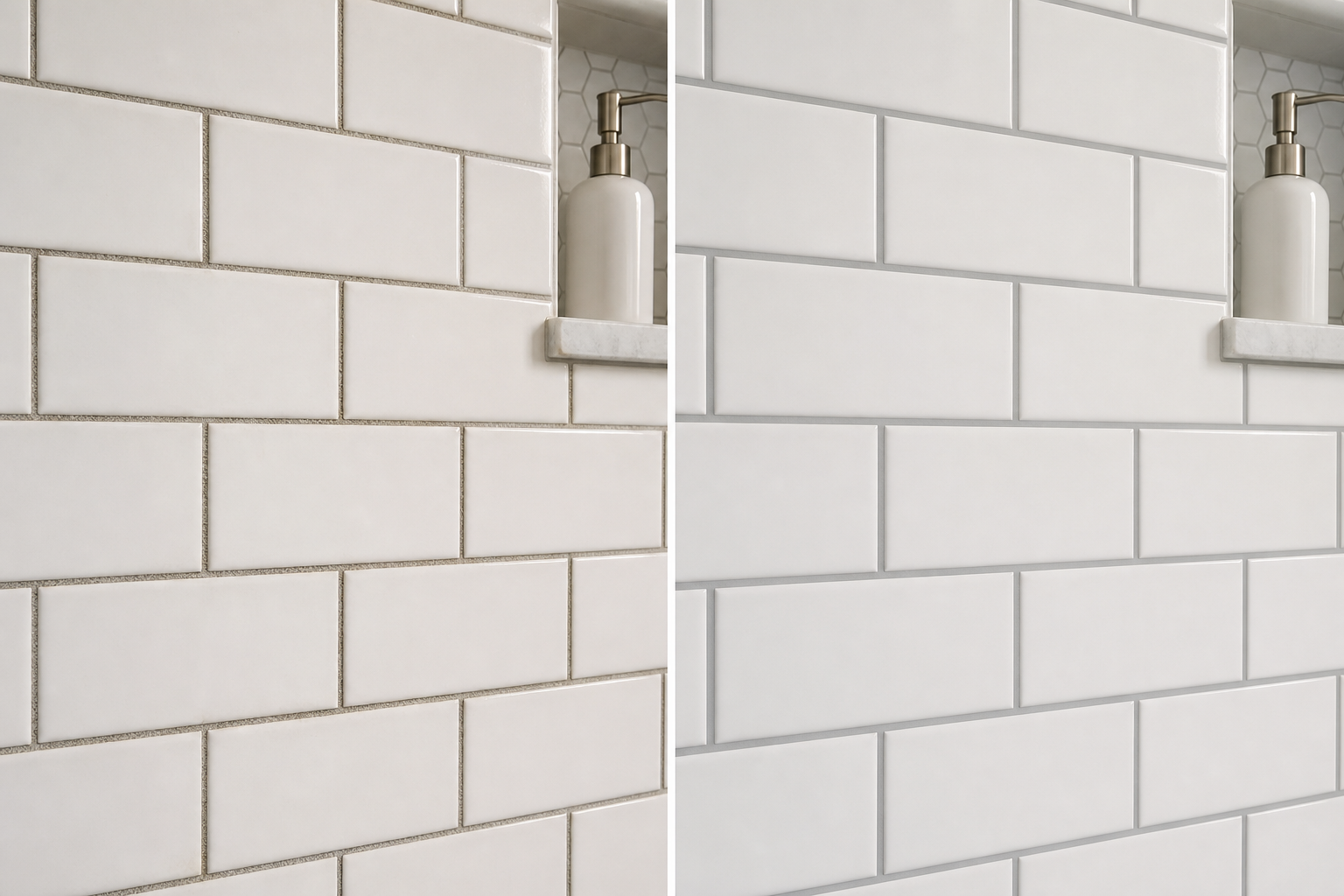
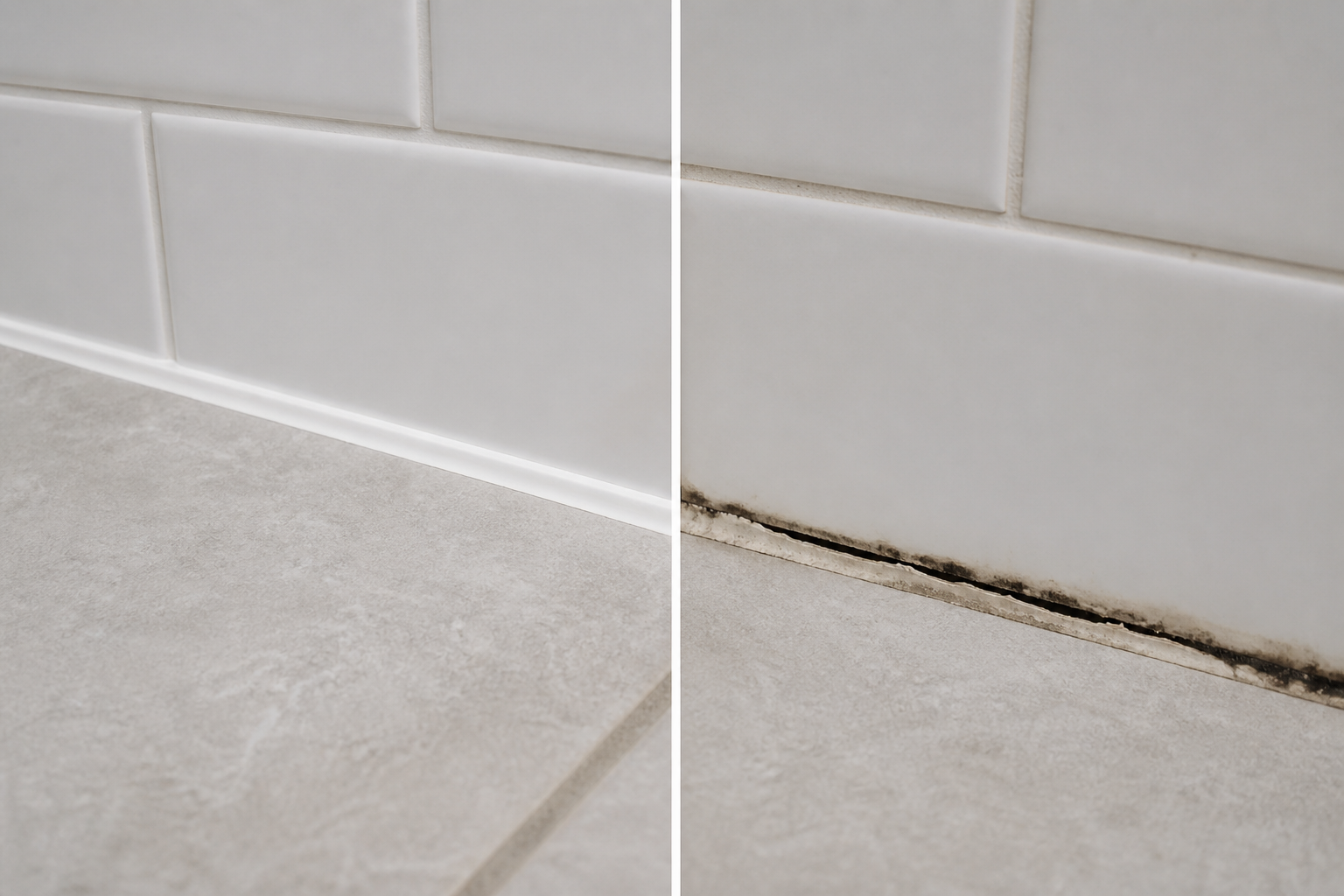
- Grout, sealant, profiles, and edge details
- Cabinetry, countertops, hardware, and installation
- Glass, mirror, accessories, and final punch
- Permits and inspections where required
If one bid names these things and the other does not, you are not comparing price. You are comparing clarity.
When clients bring us competitor bids to compare, the first things we look at are the waterproofing line item and the allowance structures. A bid that lists a $400 allowance for tile in a market where appropriate tile costs $6 to $10 per square foot installed is not a competitive price; it is an incomplete scope waiting to generate change orders. We write scopes with named systems and named materials so that comparisons can be honest before anyone signs anything.
The Labor Quality You Cannot Add Later
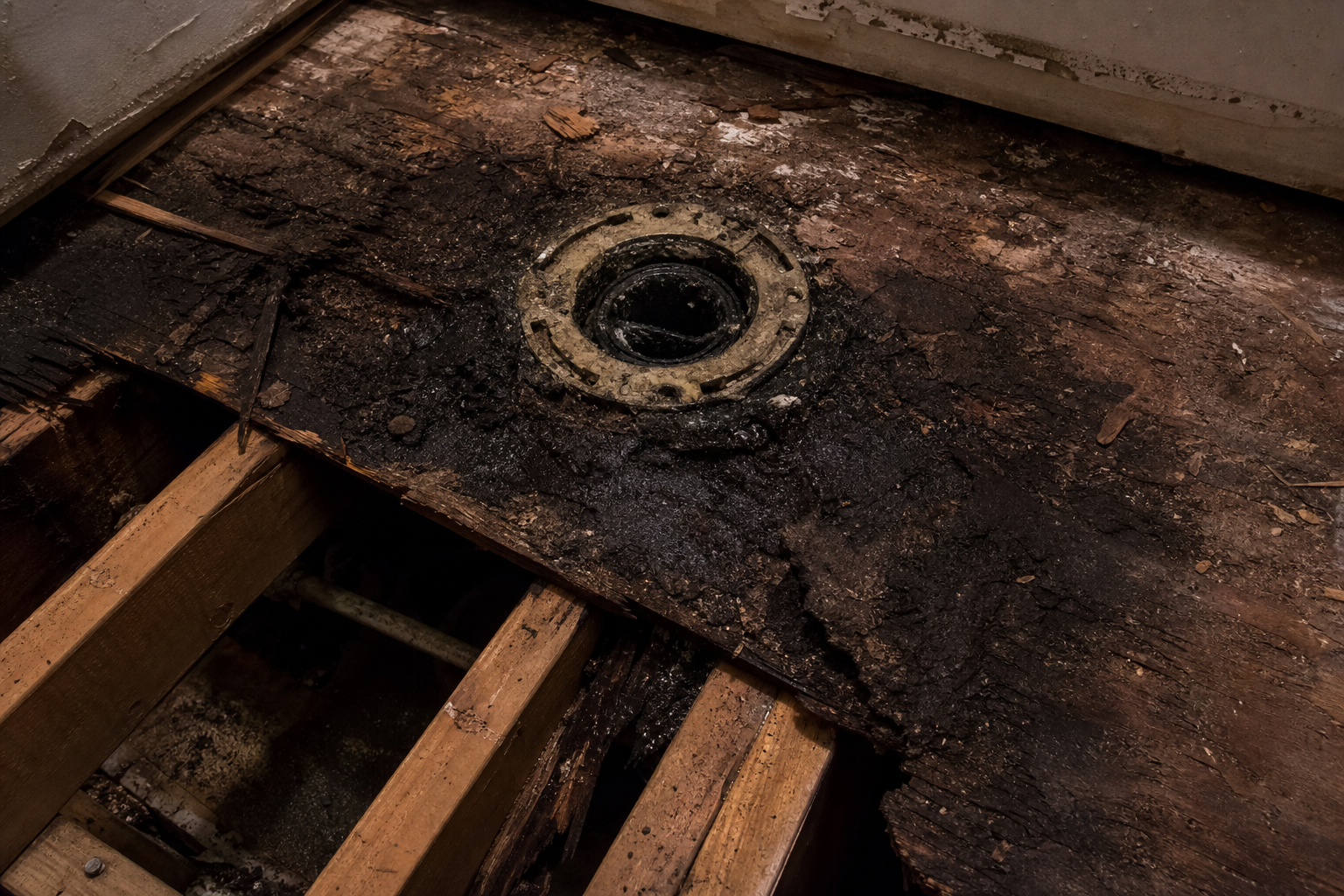
Some work can be upgraded after the fact. You can change a towel hook. You can replace a mirror. You can swap a light fixture. You cannot cheaply upgrade the tile substrate after tile is installed. You cannot casually improve waterproofing after the glass is in. You cannot un-rush rough plumbing once the wall is closed.
This is why low labor numbers deserve special attention. Labor is not simply time. Labor is sequence, judgment, correction, cleanup, and the discipline to stop when the hidden condition is not ready for the visible finish.
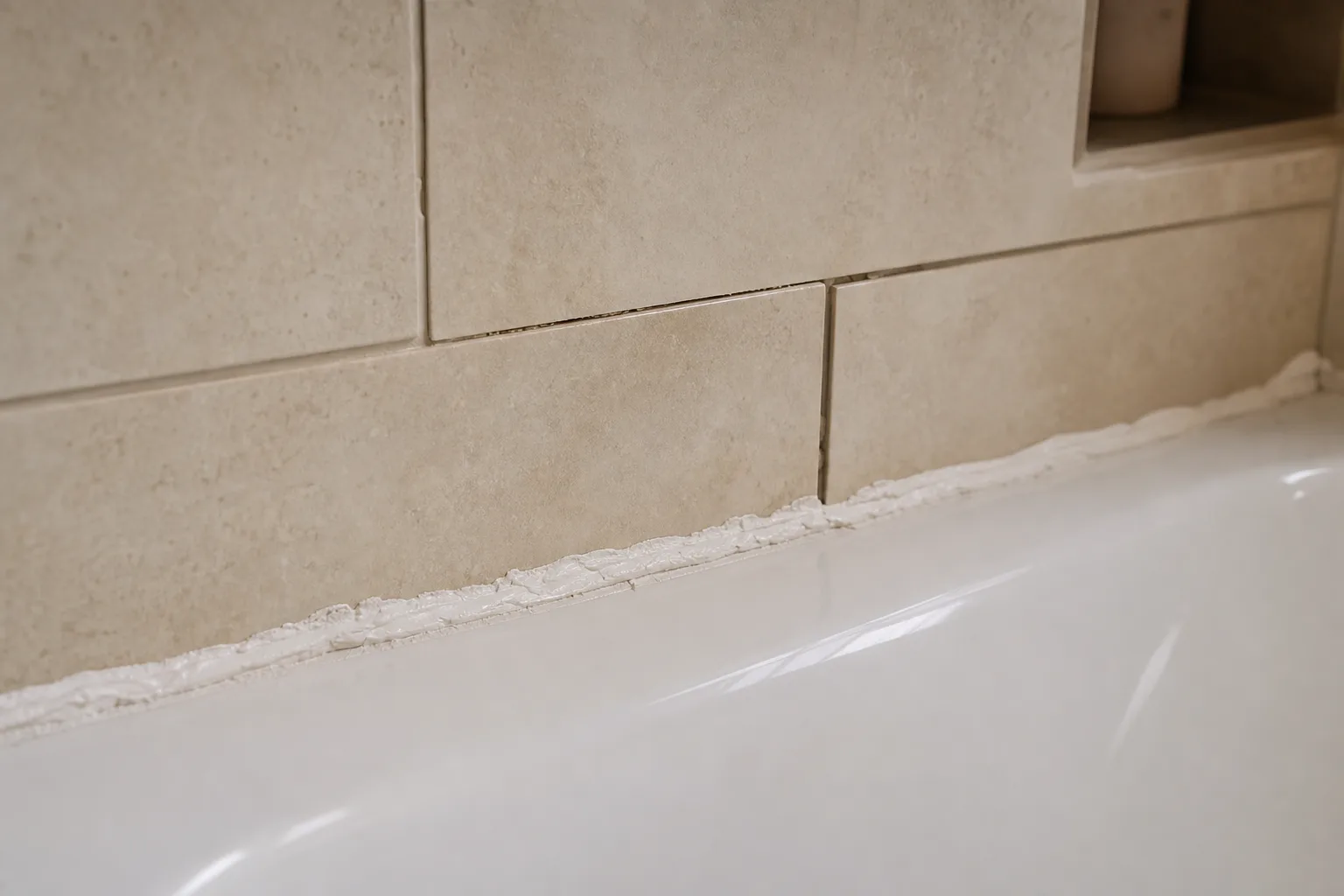
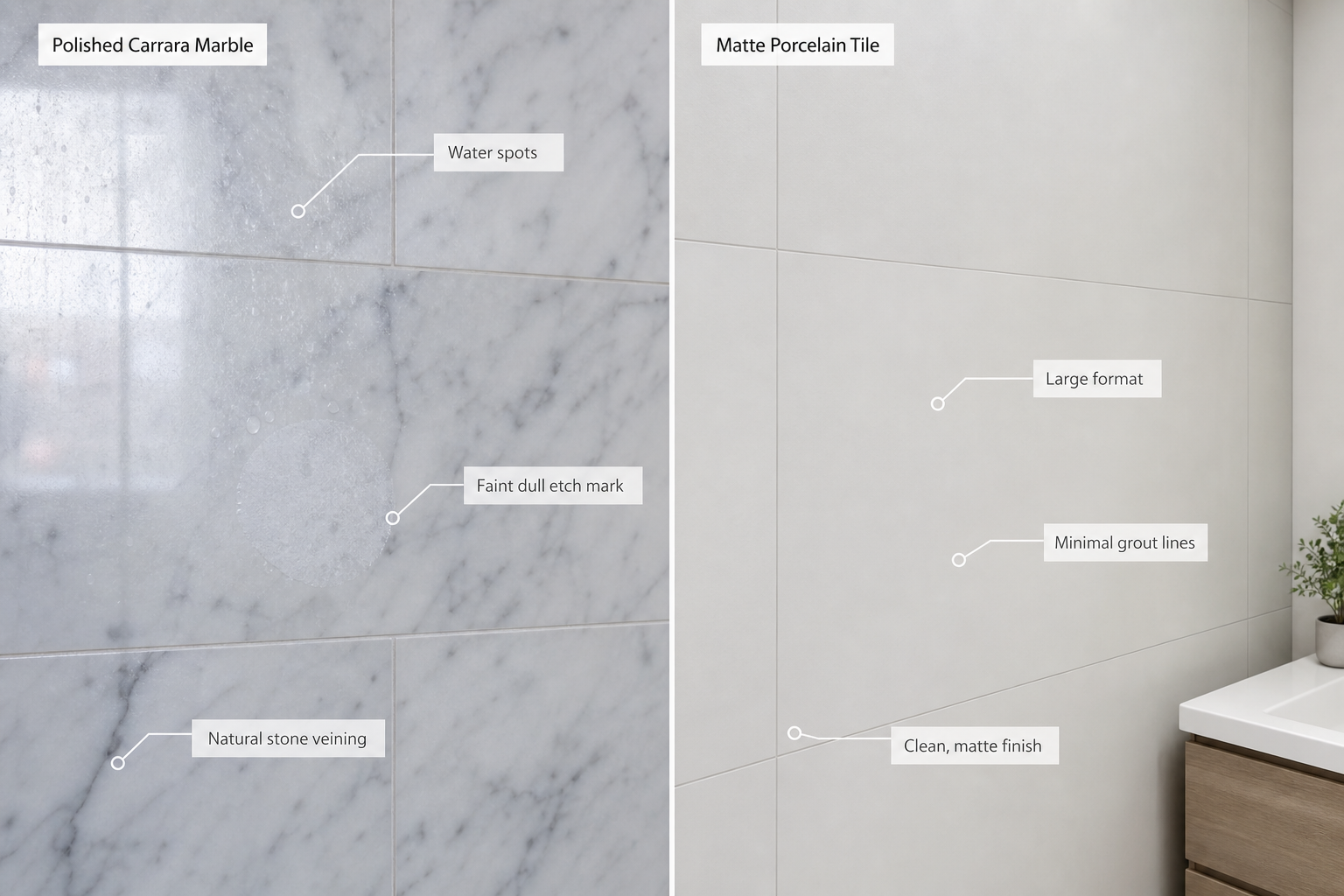
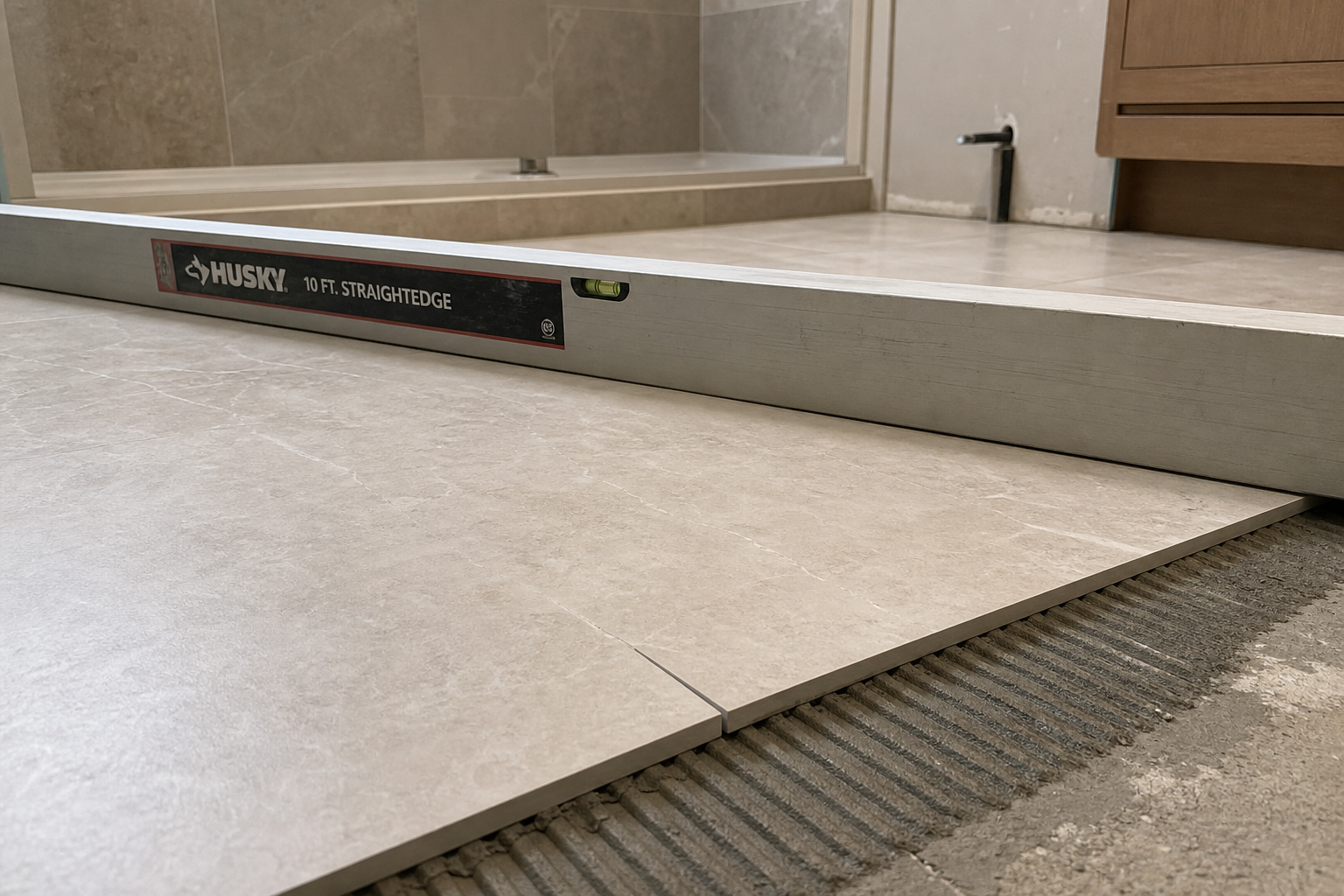
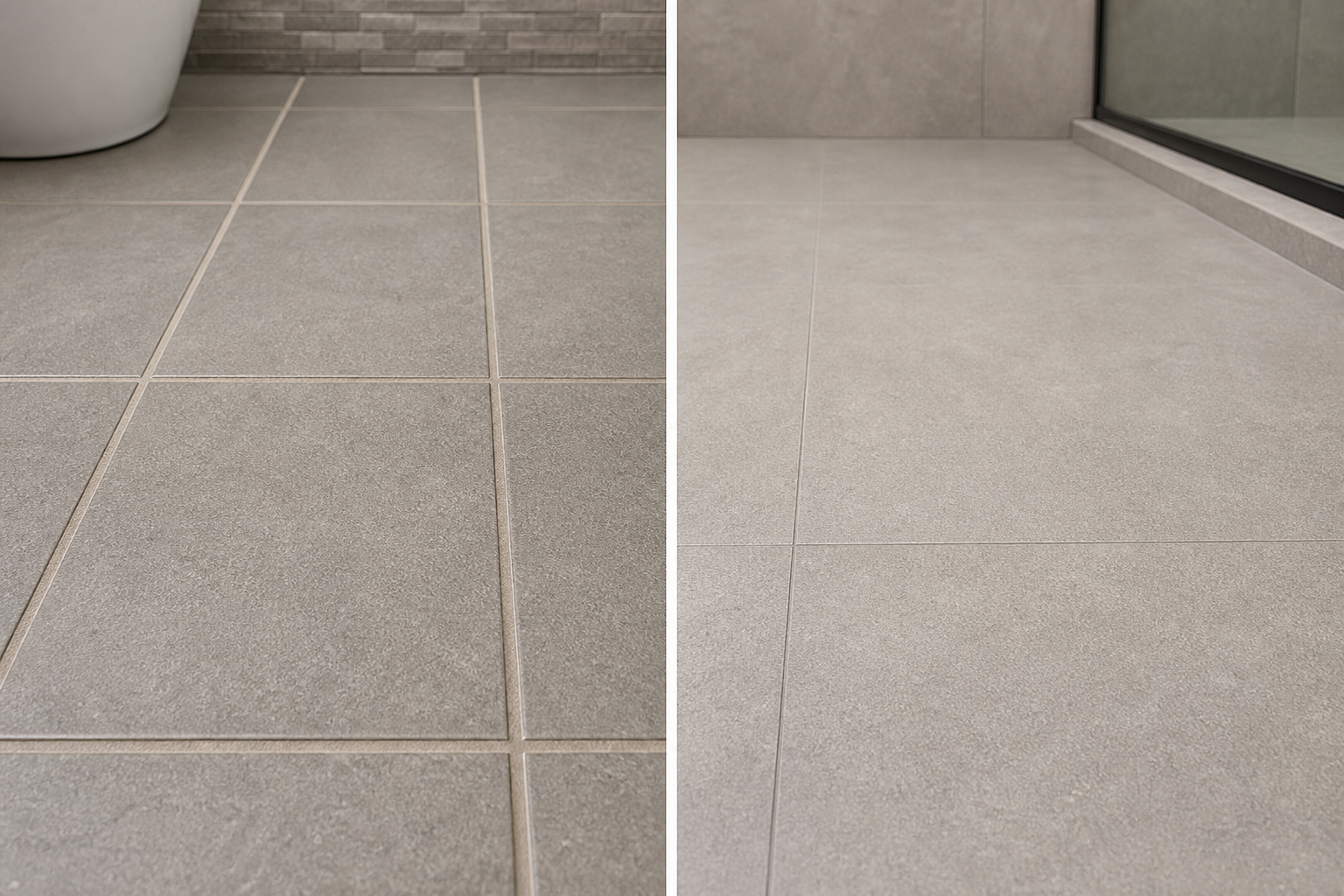
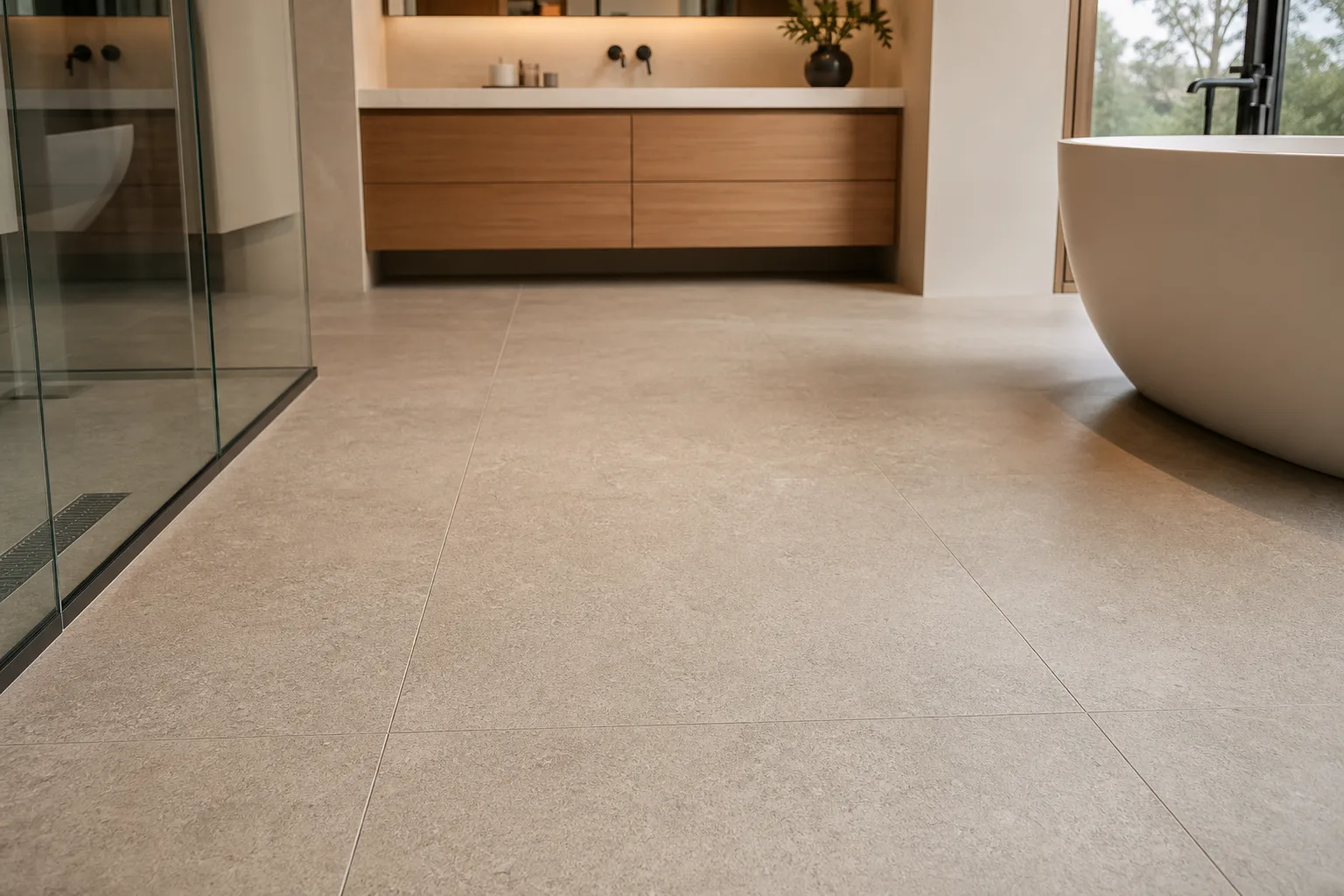
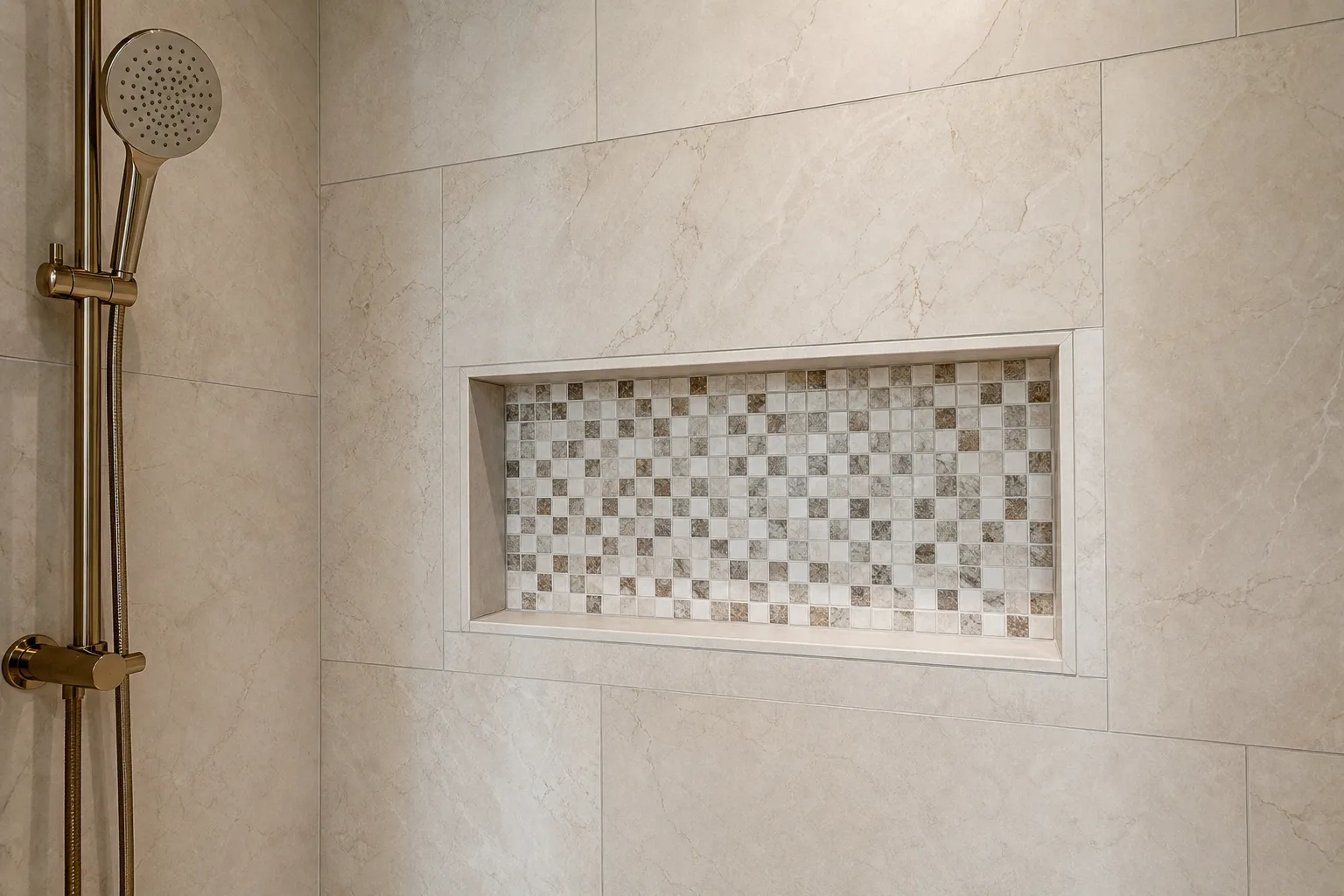
Large-format tile, for example, does not forgive a wavy wall. A cheap tile number may assume ordinary prep. The finished room may then pay the price through lippage, awkward cuts, uneven grout joints, or a niche that looks slightly misaligned forever.
The homeowner sees the finished tile and thinks the tile was the problem. Often, the problem was the surface under it.
Good labor is not expensive because someone wants to charge more. It is expensive because skilled work includes the time to make the next trade possible.
The Change-Order Machine
Change orders are not inherently suspicious. Remodels uncover hidden conditions. Homeowners change their minds. Codes and site realities require adjustments. A fair change order is part of real construction.
The problem is the bid designed, intentionally or not, to win low and recover later.
That kind of bid often has three traits:
1. It keeps the initial scope broad and optimistic. 2. It places many decisions in allowances. 3. It treats normal bathroom complexity as if it were exceptional.
Then, as the project unfolds, predictable items become additions. Waterproofing detail. Wall repair. Electrical upgrades. Niche adjustments. Fan ducting. Tile prep. Glass changes. The homeowner feels trapped because switching contractors mid-project is nearly impossible.
The remedy is not paranoia. It is specificity before demolition.
Ask the contractor to identify likely change-order categories before the project starts. Ask what hidden conditions would change the price. Ask how changes are documented and approved. Ask for examples from similar projects.
A contractor who can calmly describe uncertainty is often safer than one who pretends uncertainty does not exist.
When The Low Bid Is Actually The Right Bid
There are cases where the lower bid is the better bid. The scope may be simpler. The contractor may self-perform more work. The company may have lower overhead. The higher bid may include polish you do not need. A small hall bath does not need the same process as a complex primary suite.
The point is not to make homeowners afraid of savings. The point is to make savings intelligible.
If the lower bid names the waterproofing system, handles allowances honestly, includes permits where needed, explains exclusions, describes trade sequence, and gives you a clear process for changes, it may be a strong bid.
The dangerous bid is not low. The dangerous bid is vague.
A Better Way To Compare
Before choosing, rewrite each bid in plain English:
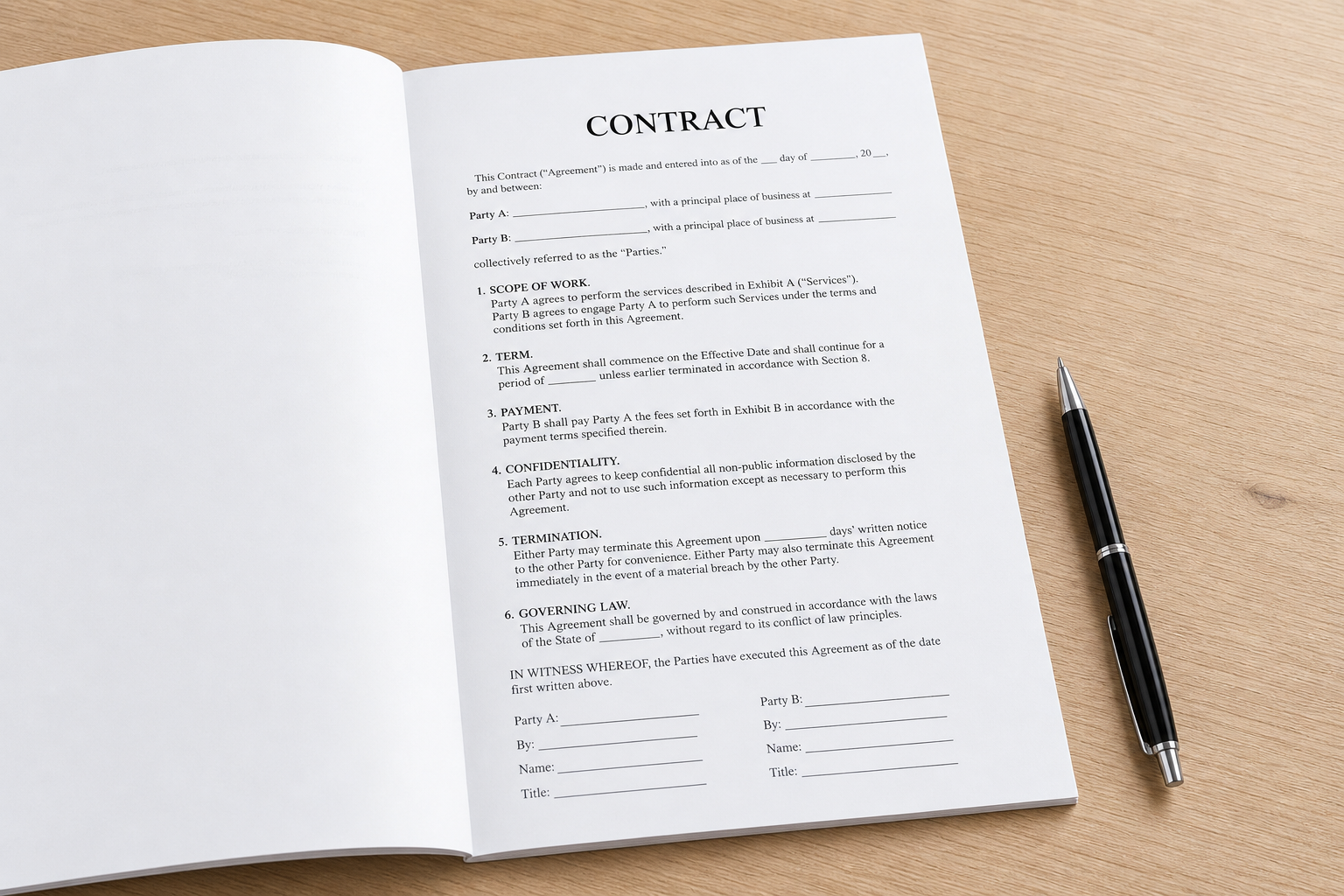
"This contractor is promising to build this exact bathroom, with these materials, these assumptions, these exclusions, this waterproofing system, this schedule, this payment structure, and this change-order process."
If you cannot complete that sentence, the bid is not ready to compare.
Price matters. It should matter. But in a bathroom remodel, the best price is the one attached to the clearest promise. Anything else is not a bargain. It is suspense.